Lufthansa to Cancel 20,000 Flights to Save Aviation Fuel Amid Energy Crisis
The German airline plans extensive flight cancellations and fleet adjustments to reduce fuel consumption by over 40,000 tons amid rising energy costs.
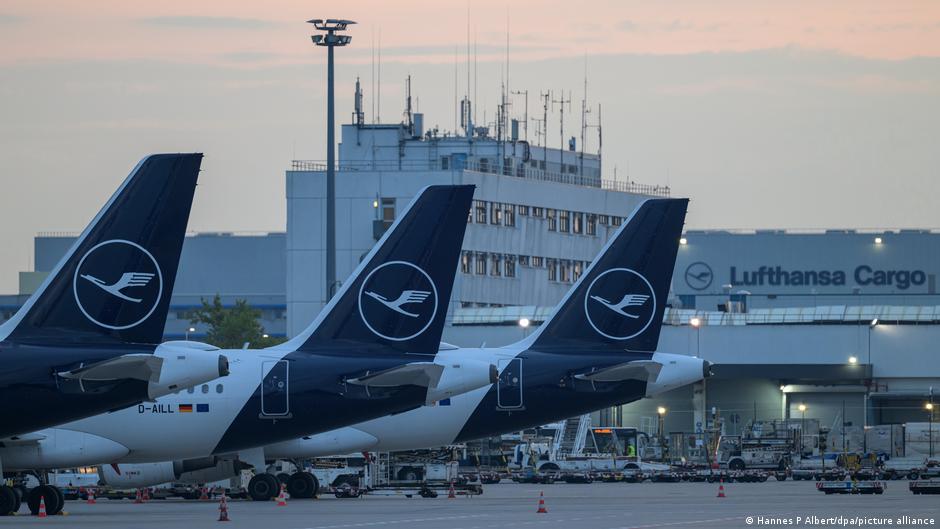
Germany's flagship carrier Lufthansa has announced plans to cancel 20,000 flights between June and October 2026 to save more than 40,000 tons of aviation fuel. This drastic step comes in response to the ongoing energy crisis caused by geopolitical tensions in the Middle East.
The cancellations, which have already begun for flights scheduled through May 31, aim to optimize fuel usage without significantly affecting operational efficiency. Lufthansa projects that its available seat-kilometers—a key efficiency metric calculated by multiplying the number of seats by kilometers flown—will decline by less than one percentage point. This efficiency will be maintained by cutting less profitable short- and medium-haul routes from Frankfurt and Munich hubs, while expanding flights from Zurich, Vienna, Brussels, and adjusting operations at its Rome hub.
Strategic Fleet and Route Adjustments
In addition to route adjustments, Lufthansa has accelerated the retirement of less fuel-efficient aircraft. The airline is withdrawing all 27 Canadair CRJ jets from its CityLine subsidiary ahead of schedule due to rising kerosene costs and labor disputes. Furthermore, the company plans to phase out four Airbus A340-600 and two Boeing 747-400 aircraft by October. These widebody jets primarily serve long-haul routes, where fuel efficiency gains are critical amid soaring energy prices.
These measures reflect Lufthansa’s strategy to balance operational capacity with sustainability goals and financial pressures. The airline also intends to reduce its overall available seat-kilometers for the main Lufthansa brand this winter, signaling ongoing capacity management in response to the volatile energy landscape.
“By focusing cancellations on less profitable routes and optimizing flight networks across multiple hubs, Lufthansa aims to achieve significant fuel savings with minimal impact on service quality.”
Wider Industry Impact and Energy Concerns
Lufthansa is not alone in facing energy-driven operational challenges. Scandinavian SAS Airlines has canceled about 1,000 flights in April due to similar pressures. Air France-KLM has introduced a surcharge of up to €100 on long-haul tickets to offset increased fuel costs. Additionally, Moldovan airline FlyOne has also announced flight cancellations citing fuel supply issues.
The European Commission is expected to unveil an energy crisis mitigation plan on April 22, addressing the broader geopolitical and economic implications of the Middle East conflict on European energy markets.
As energy prices continue to fluctuate, airlines and the fintech sector alike will likely see ongoing impacts. Fuel surcharges and changing flight capacities affect payment volumes and digital transactions in travel-related fintech services, while heightened operational risks underscore the importance of cybersecurity and resilient digital banking systems in this volatile environment.