BBC to Cut 10% of Workforce Amid Digital Shift and Media Industry Challenges
The BBC plans up to 2,000 job cuts as it accelerates digital transformation in response to evolving media consumption and funding pressures.
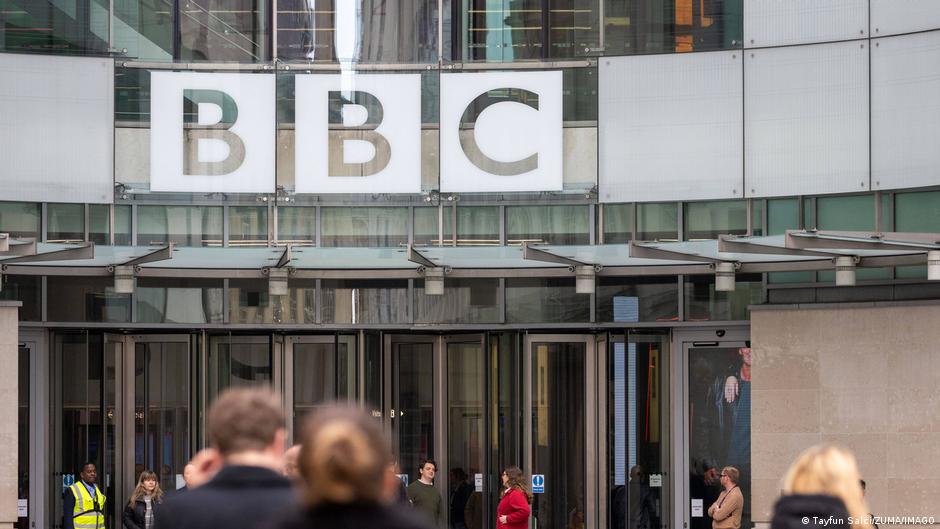
The British Broadcasting Corporation (BBC) is set to reduce its workforce by around 10% over the next two years, signaling a strategic pivot in response to profound financial and structural challenges affecting traditional media. Reports from AFP dated April 15 reveal that the broadcaster aims to cut between 1,800 and 2,000 jobs as part of a comprehensive plan to streamline operations and prioritize digital innovation.
Economic Pressures Driving Transformation
BBC Director-General Rhodri Talfan Davies confirmed the corporation is facing "substantial financial pressure," requiring cost reductions of approximately £500 million (around €575 million), primarily during fiscal years 2027-2028. This marks a significant shift for the BBC, historically a stable publicly funded media institution in the UK.
“The BBC must adapt to a rapidly changing media environment marked by technological innovation and shifting consumer habits,” Davies stated.
The decision to downsize is driven by a prolonged crisis in the traditional media sector, compounded by the accelerated adoption of artificial intelligence technologies and evolving audience behaviors. Since 2017, the BBC has seen a 24% drop in revenue from the television license fee—a critical funding source paid by UK households—reflecting broader trends of shrinking public financing and challenged monetization models.
Concurrently, the BBC faces intensified competition from global streaming platforms and online media services that offer subscription-based access to extensive content libraries. These disruptors have reshaped audience expectations and engagement, compelling legacy broadcasters like the BBC to reassess their strategic direction.
Digital-First Strategic Reorientation
In tackling these challenges, the BBC plans a major overhaul of its organizational structure with an emphasis on digital platforms and innovative content formats. This includes expanding its iPlayer streaming service and developing news apps optimized for online consumption. The broadcaster intends to gradually reduce its reliance on legacy television and radio channels in favor of emerging digital offerings.
This strategic shift will not only reshape content distribution but also alter the workforce profile, demanding new digital skills aligned with a digital-first audience. The transformation mirrors a wider industry trend where traditional media companies must balance sustaining legacy operations while innovating to meet changing consumption patterns.
Historically, the BBC’s license fee funding model has been unique in its public service mandate. However, the migration of younger audiences away from traditional broadcasting reveals structural vulnerabilities in this approach. The BBC’s experience exemplifies global media industry disruptions, where long-established institutions must rapidly adapt to maintain relevance and financial sustainability.
Ultimately, the BBC’s planned workforce reduction and strategic redirection highlight the complex interaction of technological advancements, evolving consumer preferences, and fiscal limitations. The broadcaster’s ability to navigate this digital transformation may offer valuable insights for other public broadcasters confronting similar market dynamics.