Finland Seizes €3.7 Million of Russian Assets Following Naftogaz Arbitration Award
Finnish authorities confiscate Russian funds amid Ukraine's Naftogaz efforts to enforce $5 billion arbitration ruling over Crimea assets.
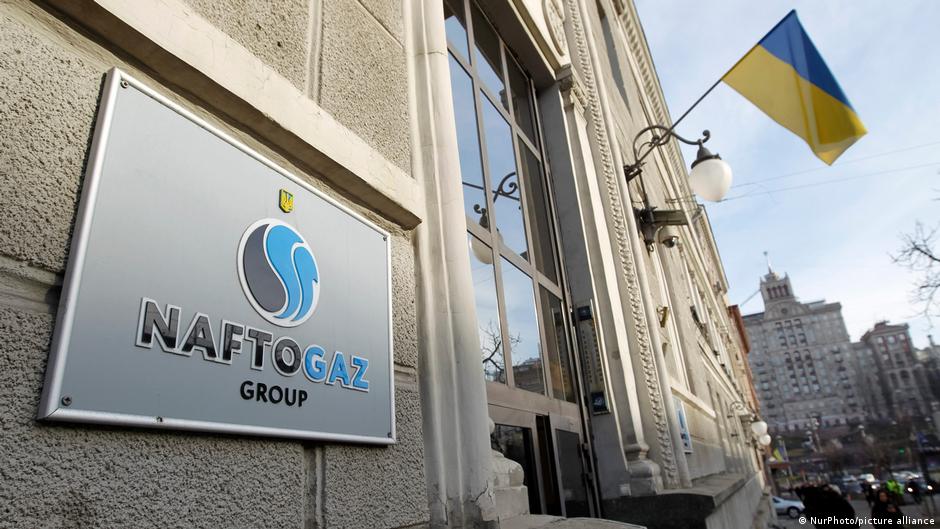
In a move with significant implications for cross-border financial enforcement and digital asset security, Finnish authorities have confiscated approximately €3.7 million in Russian assets as part of efforts initiated by the Ukrainian state-owned energy company Naftogaz. This development underscores the increasing role of international arbitration awards in shaping asset recovery efforts linked to geopolitical conflicts.
Background and Legal Context
The funds seized by Finland were originally allocated by Russia to finance a cross-border cooperation program with the European Union aimed at fostering economic development in border regions between Russia and Finland. The €3.7 million was committed prior to Russia's full-scale invasion of Ukraine and has remained in Finland since the program was suspended in 2022.
Naftogaz's claims are rooted in a 2023 arbitration award by the Permanent Court of Arbitration in The Hague, which ruled that Russia must pay $5 billion in compensation for unlawfully seizing Naftogaz assets located in the annexed Crimean Peninsula. Moscow has refused to comply with this ruling, prompting Naftogaz to pursue enforcement actions against Russian assets held abroad.
"The confiscation of Russian funds by Finnish authorities highlights how international legal mechanisms can impact the management and security of funds in cross-border programs amid geopolitical disputes," said an industry analyst specializing in fintech and digital asset governance.
Finland has previously frozen multiple Russian assets worth at least €40 million under similar enforcement requests from Naftogaz, including real estate such as land and buildings affiliated with the Russian Science and Culture Center. These actions reflect growing scrutiny and regulatory risks for Russian capital stationed in EU jurisdictions.
Implications for Fintech, Payments, and Digital Economy
From a fintech perspective, the seizure of these funds demonstrates the complex intersection of digital banking, asset traceability, and international regulatory compliance. As cross-border payments and digital financial instruments become more integrated globally, arbitration rulings backed by enforcement actions signal that assets—even those tied to government programs—can be targeted and immobilized in foreign jurisdictions.
Moreover, cybersecurity and digital asset protection are becoming critical as geopolitical tensions translate into financial sanctions and asset freezes. Financial institutions and fintech platforms operating in or near conflict zones must enhance their compliance frameworks to mitigate risks associated with sanctioned entities and enforcement of international judgments.
For tech stocks and investors focused on fintech sectors, these developments underscore the importance of monitoring geopolitical risk factors that could influence regulatory crackdowns and asset volatility. The enforcement of arbitration awards against state-linked assets also raises questions about the future of digital asset custodianship and jurisdictional control.
Russian Response and Future Outlook
Russia has consistently rejected the jurisdiction of the Hague arbitration court over Naftogaz's claims and has dismissed the Finnish asset seizures as unlawful. Russian officials have threatened retaliatory measures against Finnish interests, emphasizing the ongoing geopolitical friction influencing cross-border financial flows.
As international enforcement of arbitration awards gains momentum, it is expected that more jurisdictions could engage in asset seizures aligned with global legal rulings, thereby reshaping the landscape of digital asset security and international financial cooperation.