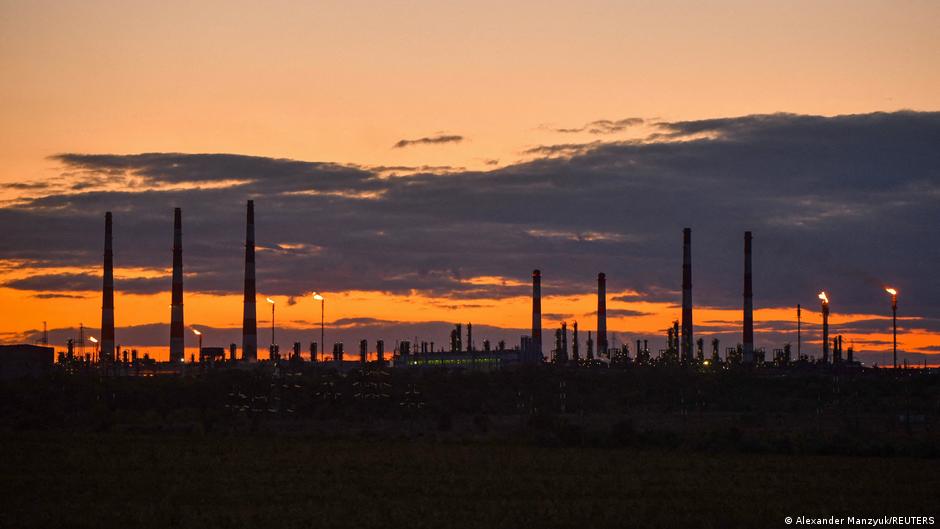
US Strikes on Iranian Infrastructure Intensify Geopolitical Tensions Impacting Regional Stability
US military actions targeting Iranian infrastructure raise concerns over regional security and potential disruptions to critical energy and transport sectors.
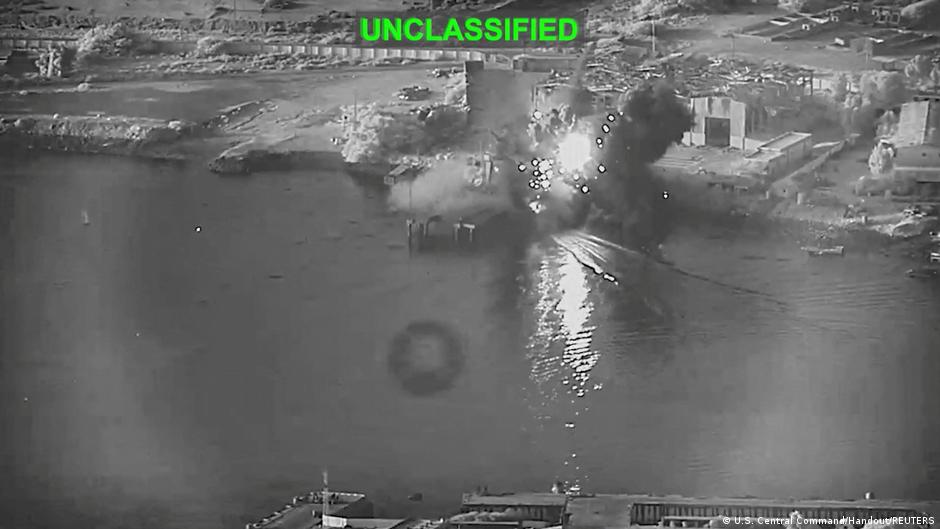
The United States launched a new series of strikes against Iran aimed at further weakening the country's military capabilities. According to Iranian media, the attacks targeted bridges, airports, and energy infrastructure, resulting in casualties and damage to civilian areas.
The US Central Command (CENTCOM) reported that on July 16 at 20:00 Berlin time, airstrikes resumed on multiple Iranian sites. These operations have been ongoing for six consecutive nights, with the most recent strikes occurring around 21:30 local Tehran time. CENTCOM officials stated that the mission's goal remains to degrade Iran's military potential.
However, Iranian state broadcaster Press TV claims these strikes have also hit civilian infrastructure, including three bridges in the coastal Hormozgan province. Additional targets reportedly include a residential neighborhood in the port city of Bandar Abbas, an electrical substation on Kish Island in the Persian Gulf, and areas near airports in Bandar Abbas and Iranshahr. Explosions were also reported in Bushehr, home to Iran's sole civilian nuclear power plant.
According to Press TV, the strikes have caused three fatalities and injured 15 people. In response, the Islamic Revolutionary Guard Corps (IRGC) announced coordinated retaliation alongside Iran’s regular army, targeting American military assets in the region. Iranian agency Tasnim detailed attacks using drones aimed at US helicopters and reconnaissance aircraft stationed at Bahrain's Al-Sakhir Air Base.
Kuwaiti military officials confirmed that their air defense systems intercepted Iranian missile and drone attacks, while Bahrain authorities activated civil defense sirens to warn of incoming threats.
Regional Security and Economic Implications for the Digital Economy
The escalation of military actions between the US and Iran poses significant risks not only to geopolitical stability but also to the digital economy and fintech sectors dependent on the secure flow of goods and energy resources.
"Disruptions to critical infrastructure such as energy grids and transportation hubs can have cascading effects on payment systems, digital banking operations, and cybersecurity frameworks in the region," said an industry analyst specializing in fintech risk management.
The Strait of Hormuz is a vital maritime chokepoint through which a significant percentage of the world’s oil supply transits. Previous agreements signed on June 17 aimed to cease hostilities and lift blockades in this area, fostering safer passage for commercial and energy shipments. However, after an Iranian drone kamikaze attack on a civilian tanker on June 25, the US responded with further military strikes, undermining these diplomatic efforts.
The uncertainty in the region raises concerns over potential disruptions in energy supplies, which could lead to increased volatility in global energy prices and secondary impacts on technology stocks and digital payment platforms that rely on stable infrastructure. Moreover, the heightened cyber and physical security threats may compel financial institutions and fintech companies operating in or with exposure to the region to bolster their cybersecurity measures.
US President Donald Trump, addressing NATO leaders on July 8 in Ankara, declared the June memorandum with Iran null and void. By July 13, he asserted that the US had taken control over the Strait of Hormuz and warned that strikes would continue "until I say enough." He further threatened to target Iranian power plants and bridges should negotiations fail, amplifying concerns over further infrastructural damage that could ripple into the digital and financial sectors reliant on uninterrupted services.
As conflicts persist, fintech firms, digital banks, and payment processors with regional ties must monitor developments closely, assess operational risks, and adapt cybersecurity protocols to safeguard assets and customer data amid escalating hostilities.