Trump Claims China Accessed Data of 220 Million US Voters Ahead of 2020 Election
Former President Trump alleges major cybersecurity breach in US election system linked to China’s interference efforts.
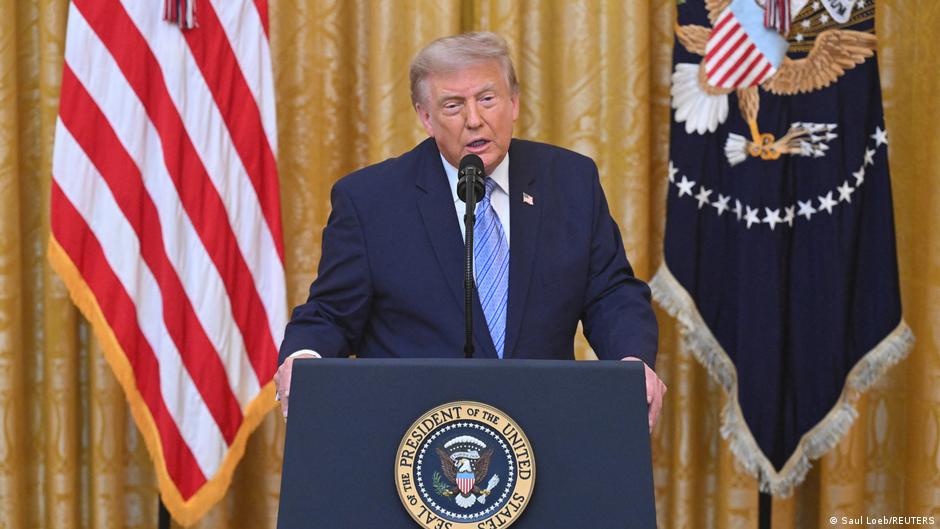
Former US President Donald Trump delivered a 25-minute address accusing China of orchestrating a significant cybersecurity breach that compromised personal data of approximately 220 million American voters during the 2020 US presidential election cycle. The allegations highlight alleged vulnerabilities within the US election infrastructure and raise concerns over foreign interference tactics impacting democratic processes and digital security.
Allegations of Data Breach and Electoral Manipulation
In a direct broadcast late on July 16, Trump revealed that newly declassified intelligence reports implicate China in obtaining extensive voter information, including names, addresses, phone numbers, and party affiliations. According to Trump, this data was either purchased, stolen, or accessed through hacking operations, marking what he described as the largest data leak in election history.
“China has conducted an operation, starting from the 2020 election campaign, that is believed to be the largest electoral data breach in history,” Trump stated.
Trump further claimed that nearly 278,000 individuals were registered as voters in four key states despite lacking US citizenship. He accused China of leveraging the stolen data to influence the 2020 election outcome in favor of then-candidate Joe Biden by manipulating vote counts and incentivizing media negativity aimed at discrediting Trump's candidacy.
The former president asserted that China funneled substantial financial resources to media outlets to increase unfavorable coverage against him, asserting this was part of a broader strategy to undermine his re-election bid. According to Trump, Beijing’s motivation stemmed from his administration’s plans to impose multi-billion-dollar tariffs and invest heavily in military expansion.
Implications for Election Cybersecurity and Digital Economy
The allegations underscore critical cybersecurity challenges facing electoral systems globally, especially amidst increasing digitalization of voter registration databases and election infrastructure. The purported data breach raises alarms not only about the security of sensitive voter information but also about the potential manipulation of digital platforms influencing public opinion and election outcomes.
Furthermore, the case illustrates the growing intersection between geopolitical tensions and digital economy vulnerabilities. Cyberattacks targeting electoral systems pose risks not only to democratic integrity but also to market confidence in fintech and digital banking sectors, which rely on robust data protection frameworks to safeguard consumer information and transaction integrity.
Trump also warned that other state and non-state adversaries, including Russia, Iran, North Korea, and various groups, could exploit similar election system weaknesses, emphasizing the need for urgent reforms and enhanced cybersecurity measures.
He called on key federal agencies including the Office of the Director of National Intelligence, the Department of Justice, FBI, and CIA to investigate how such critical intelligence was previously concealed. Trump demanded accountability measures, including dismissals of officials responsible for withholding information and potential criminal proceedings against those involved.
This episode highlights ongoing debates around digital security governance in elections and the role of intelligence disclosures in maintaining public trust. It also reflects the broader challenges faced by fintech companies and cybersecurity providers tasked with protecting increasingly digital and interconnected democratic infrastructures from sophisticated foreign interference and cyber threats.