Foreign Investment in Germany Jumps to 86 Billion Euros in 2025
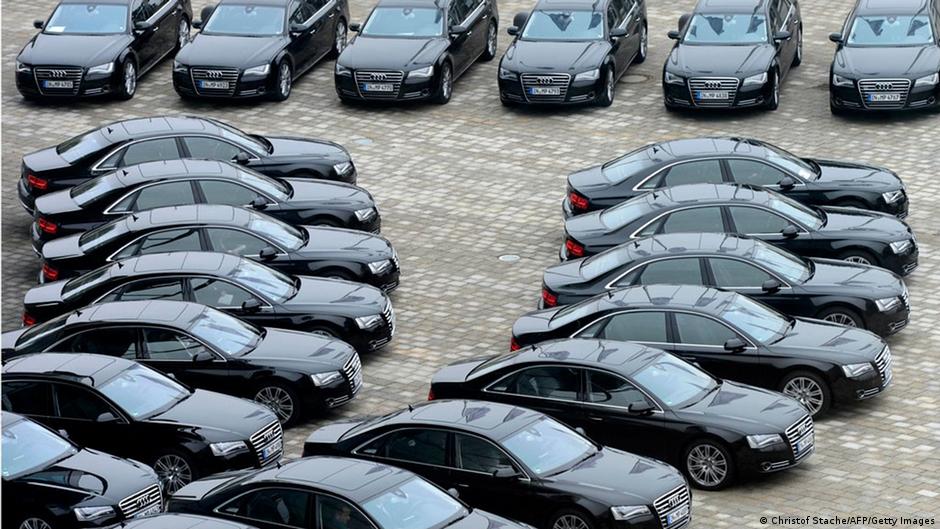
Foreign investment in Germany rose 50% to 86 billion euros in 2025, led by Britain and EU investors as US capital sharply declined.

Foreign investment in Germany rose 50% to 86 billion euros in 2025, led by Britain and EU investors as US capital sharply declined.

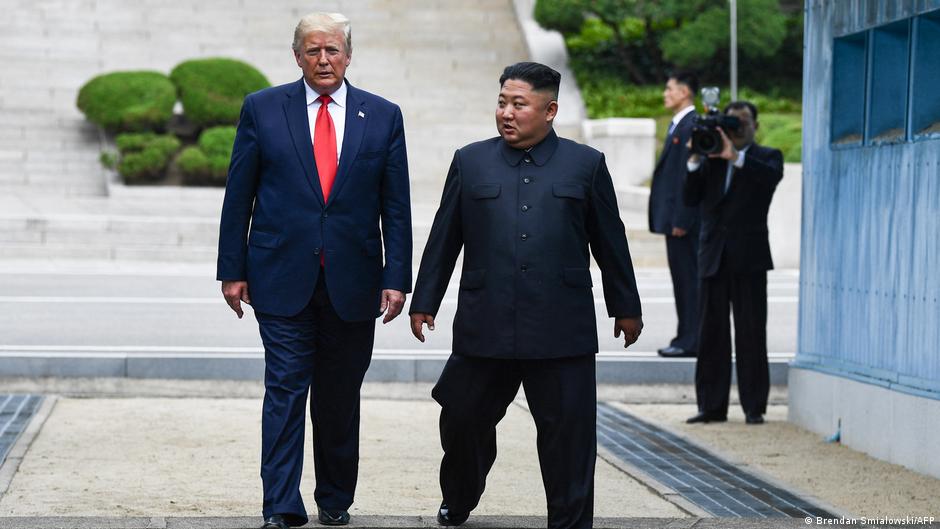
US President Trump plans a meeting with North Korea's Kim Jong Un this fall to restart nuclear talks amid growing concerns over Pyongyang's expanding arsenal.

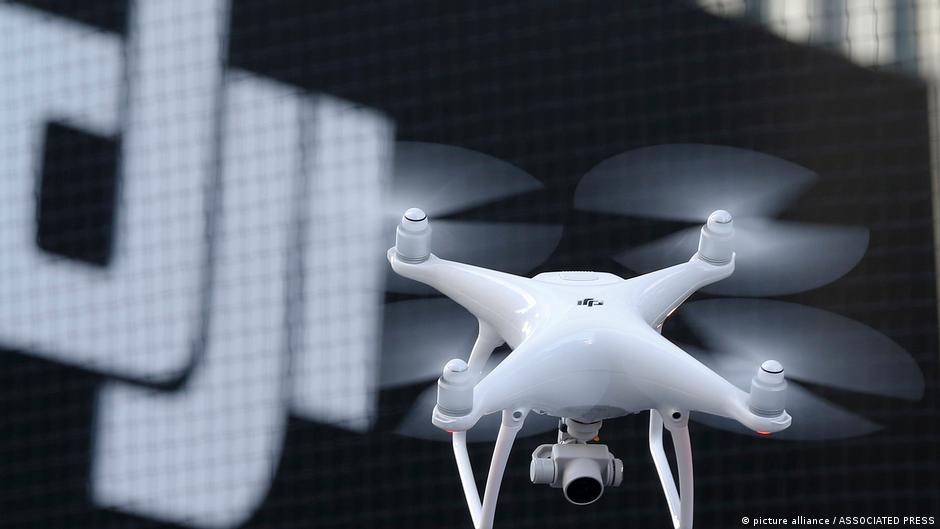
The US has imposed tariffs of up to 100% on imported drones and components to reduce foreign dependence and enhance national security amid cybersecurity concerns.

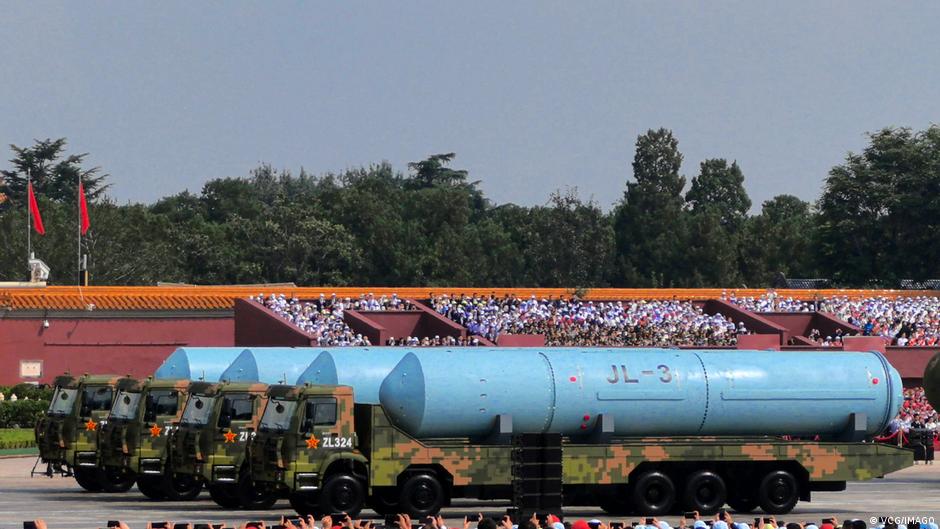
More than 40 countries urge 24-hour advance notice on ballistic missile tests to reduce risks and reinforce trust amid rising missile activities impacting global security and digital markets.
Montenegro will end visa-free entry for Russian and Belarusian citizens after October 2026, impacting fintech, digital payments, and cross-border economic ties amid EU integration efforts.

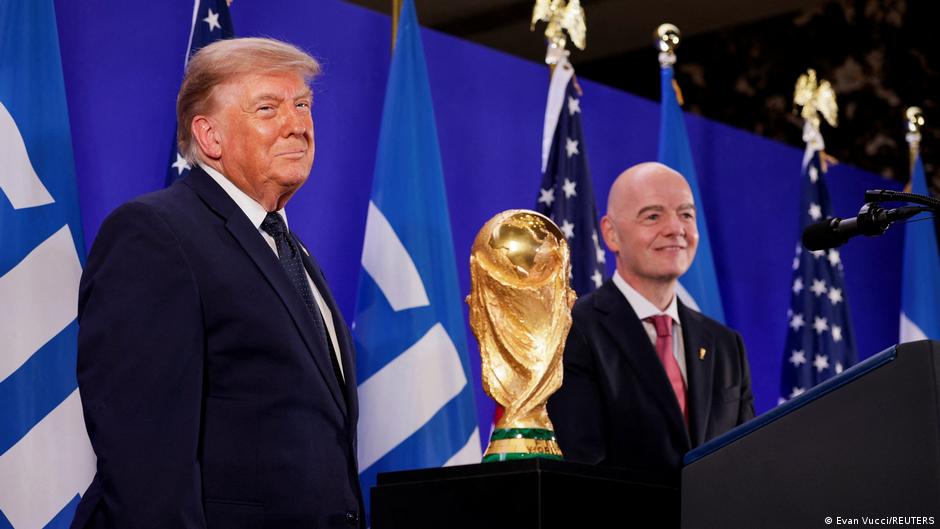
Donald Trump proposes the US host another FIFA World Cup with China, excluding Canada and Mexico, highlighting benefits for players and fintech opportunities.

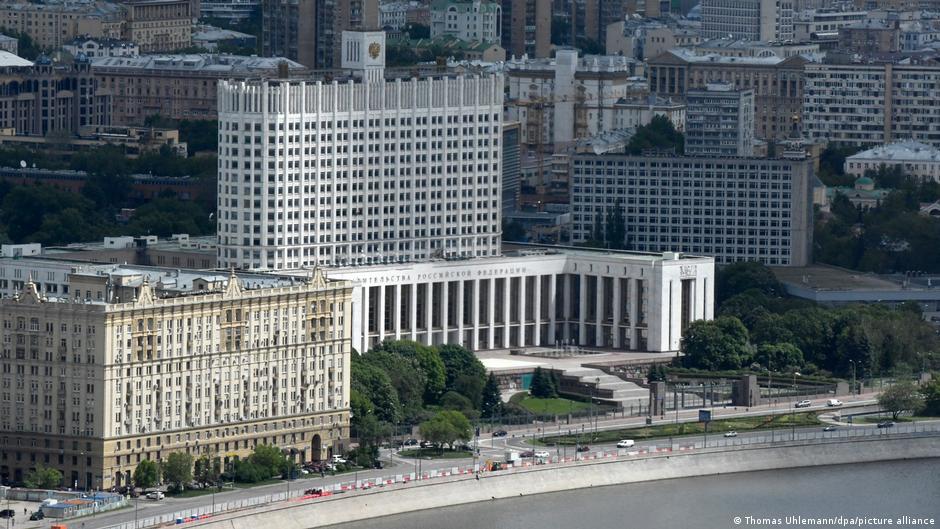
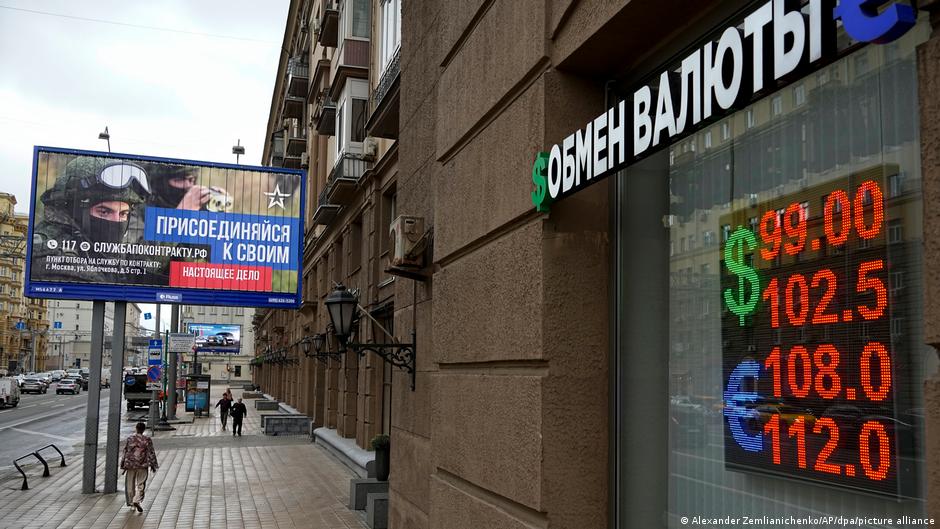
Russia proposes expanding military contract eligibility to convicts of serious crimes amid mobilization efforts, including banditry and drug smuggling charges.

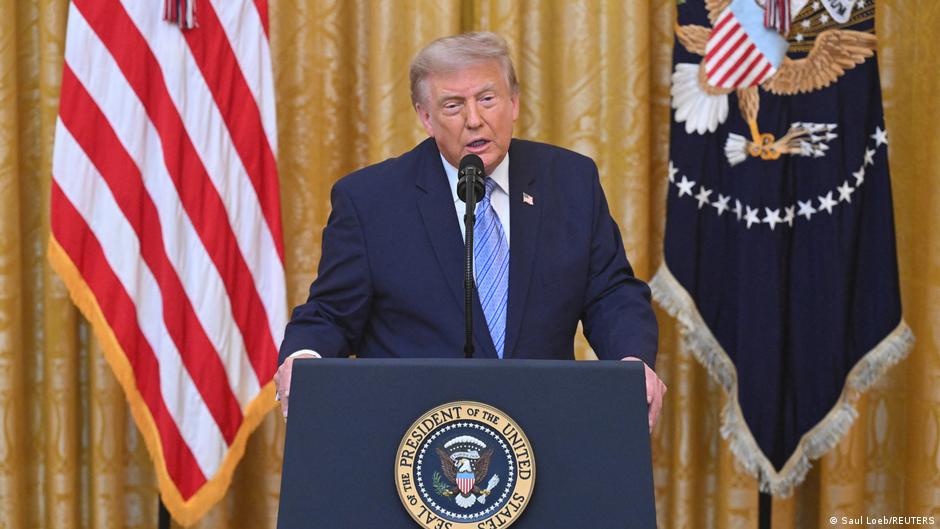
Former President Trump alleges China accessed data of 220 million US voters in a major cybersecurity breach impacting the 2020 election system.

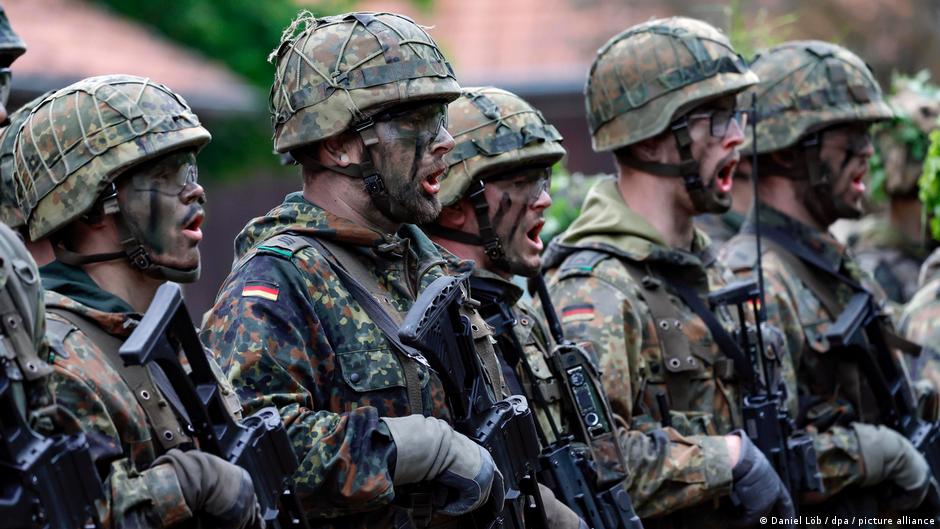
Germany's record €124.7 billion defense budget for 2026 will boost cybersecurity and digital infrastructure, influencing fintech and digital banking sectors amid NATO commitments.

Russia proposes ending mandatory medical exams for contract soldiers, reflecting recruitment struggles amid ongoing conflict and raising questions about military digital monitoring.

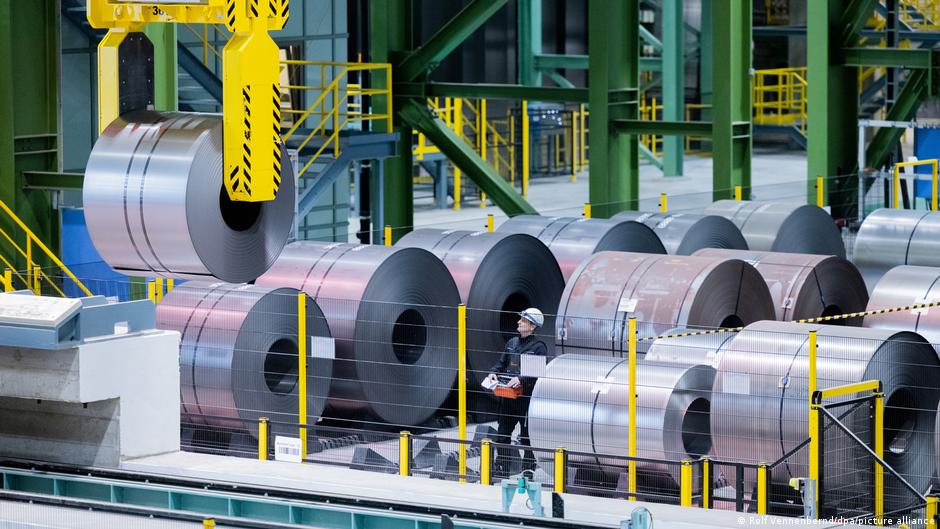
The EU cuts duty-free steel import quota by nearly half and imposes a 50% tariff on excess imports to protect domestic industry from cheap Chinese steel.

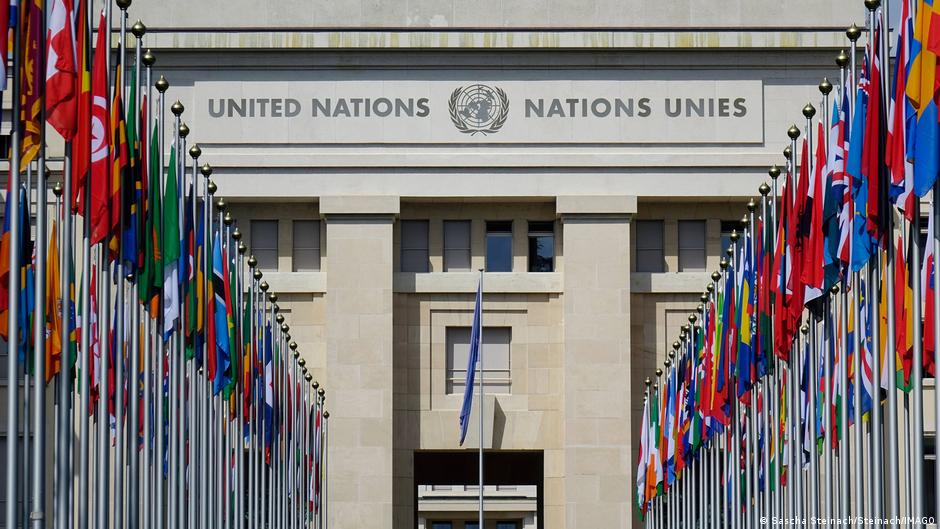
Delayed payments from the US and China threaten the UN's budget stability, forcing drastic cuts and operational changes with broader fintech sector implications.

Russian officials tried to dissuade Putin from imposing stricter internet controls amid concerns over economic damage and public discontent linked to digital restrictions.

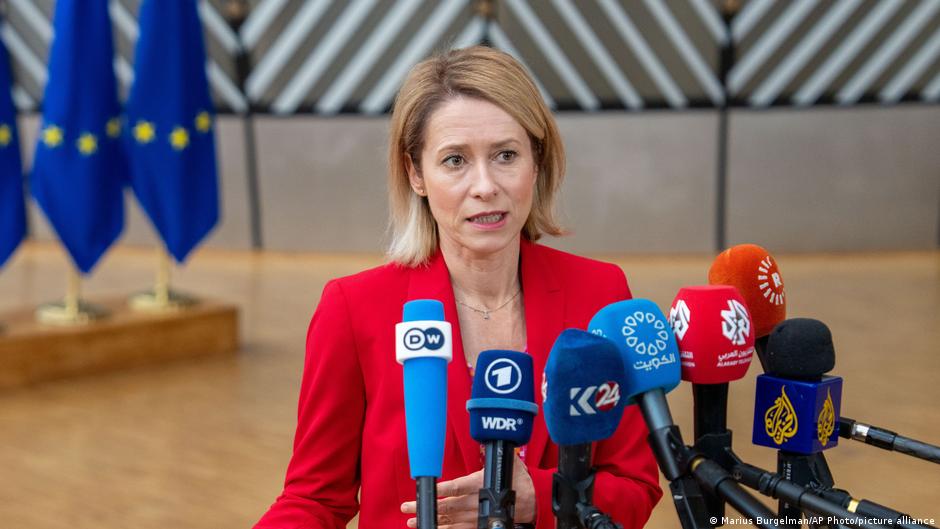
EU's top diplomat Kaja Kallas warns Russia, China, and the US employ divide-and-rule tactics to weaken EU unity, posing risks to fintech, digital banking, and cybersecurity integration.

Donald Trump reported pessimism after raising Jimmy Lai’s case with Xi Jinping, as China maintains its hardline stance on the Hong Kong media mogul’s 20-year prison sentence.

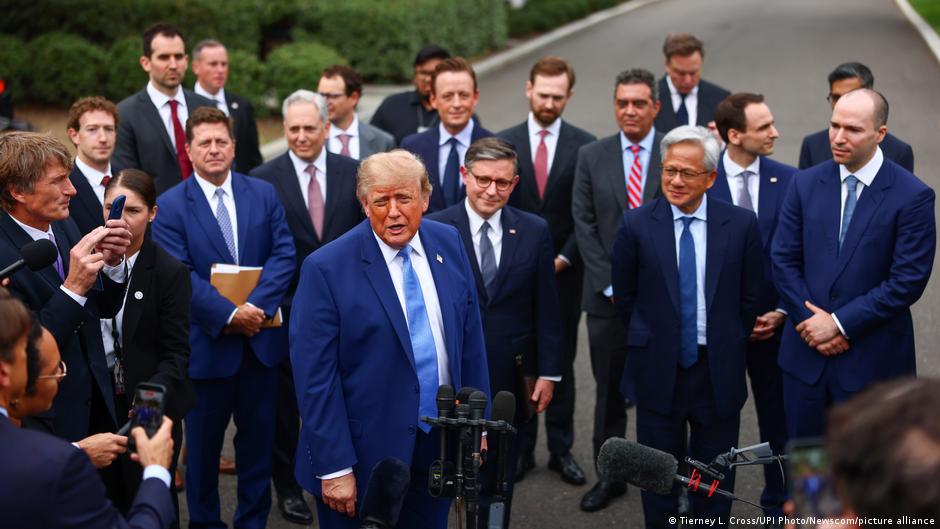
Donald Trump reveals China’s interest in US oil and soybean purchases, signaling shifts in trade relations with implications for energy, commodities, and fintech sectors.

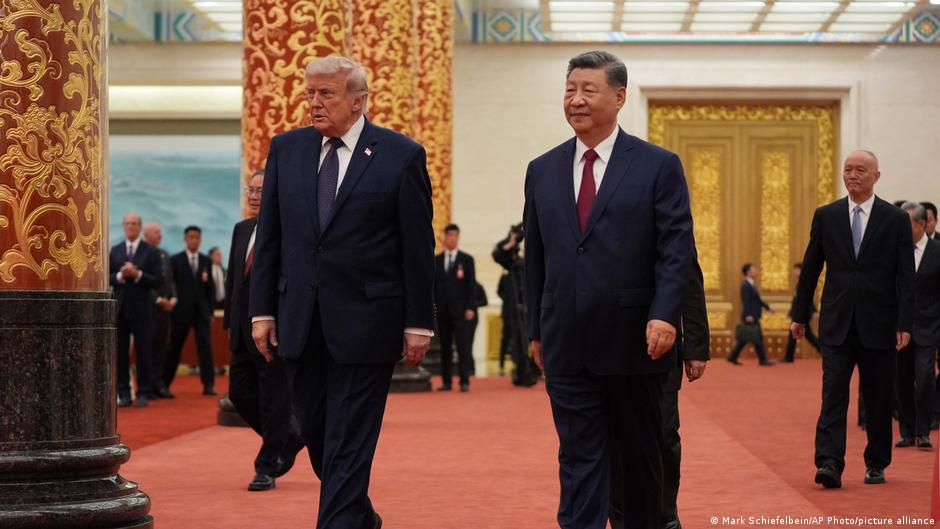
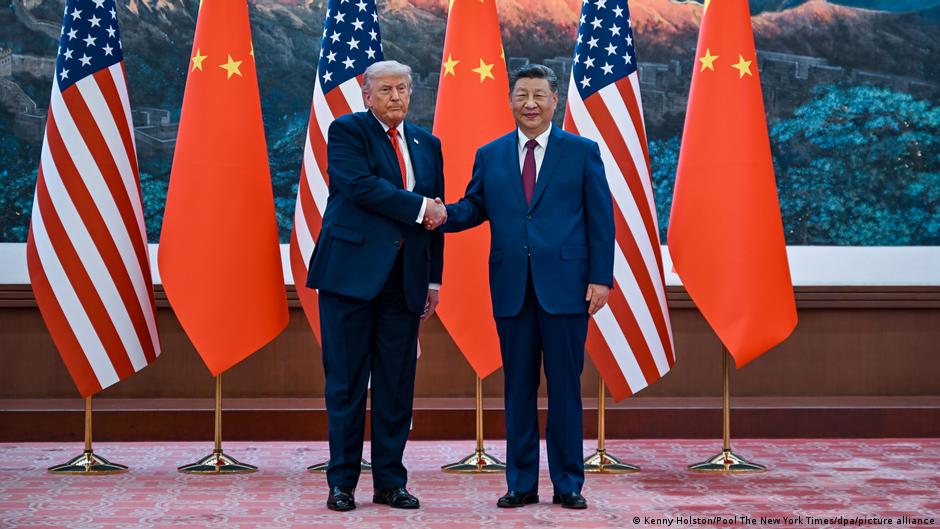
Trump's Beijing visit with Xi Jinping focuses on trade, energy security, and tech cooperation, influencing global fintech and digital economy sectors.

Uzbekistan's suspension of gold exports since September 2025 caused a 29% export decline, affecting foreign trade and central bank reserve strategies amid volatile gold prices.

Tencent and Kaspi.kz management acquire 6 million shares, marking strategic fintech investment and strengthening Kaspi.kz's position in digital payments and super app services.

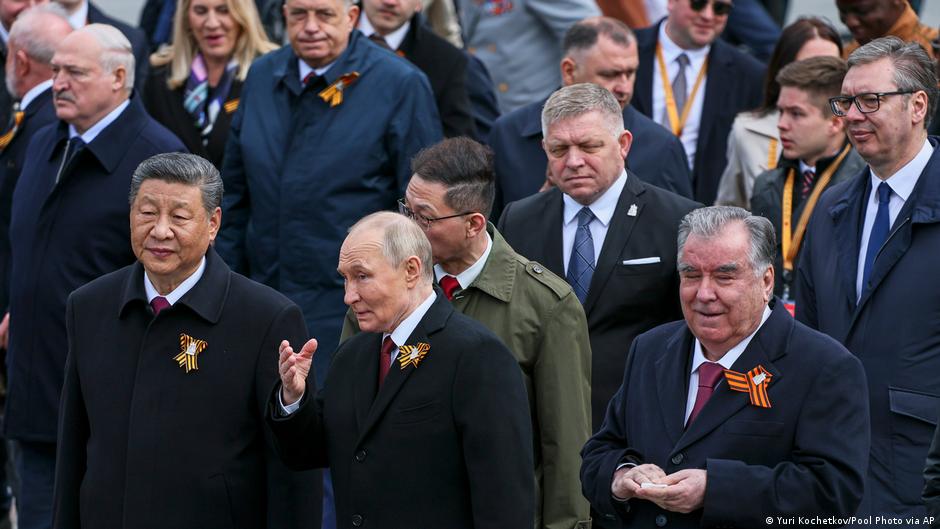
Lithuania and Latvia have blocked Slovak PM Robert Fico’s flight to Moscow on May 9, reflecting geopolitical tensions impacting European airspace and regional fintech sectors.

Germany's Koblenz military museum restricts access for Uzbek citizens and others amid enhanced security laws, highlighting the intersection of security and digital access.

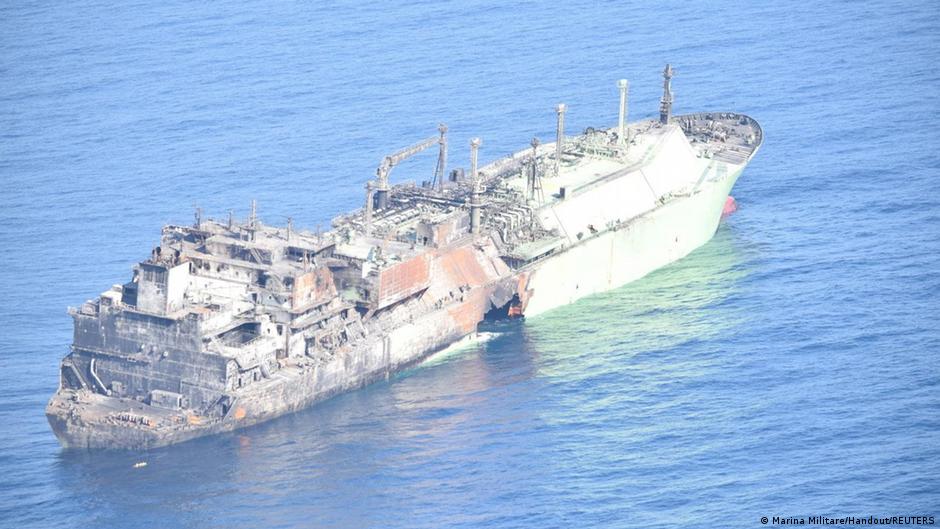
Russia's Deputy Foreign Minister says the UN proposal to monitor the Strait of Hormuz lacks support from key parties and its future is uncertain.