Trump Signs Graham Sanctions Bill Targeting Russian Energy and Banks
The law gives the U.S. president power to impose tariffs and sanctions tied to Russian energy flows, banks, officials and evasion networks.
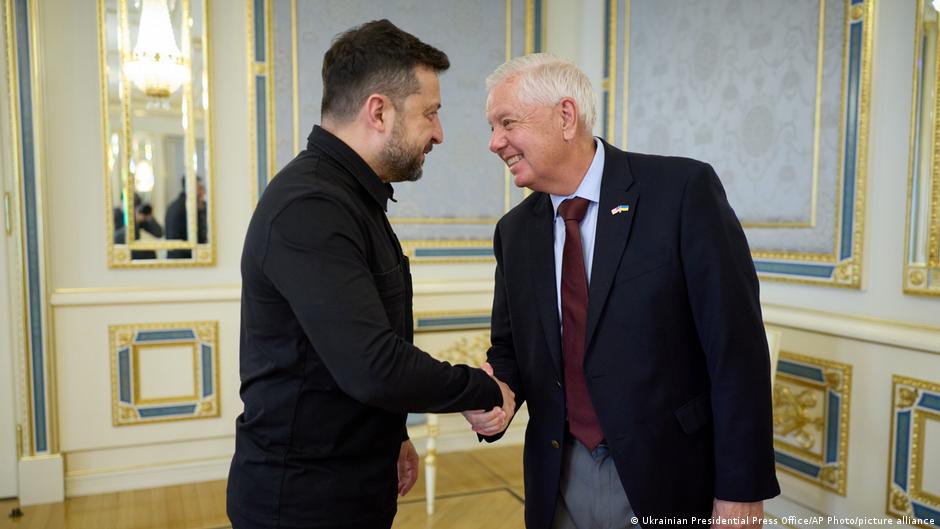
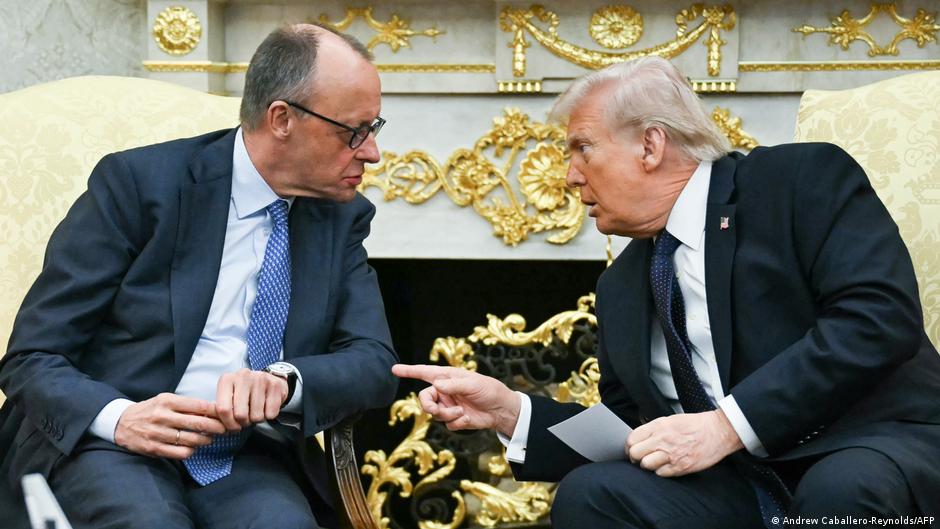
U.S. President Donald Trump on Friday, September 18, signed legislation tightening sanctions on Russia over its continuing war against Ukraine, enacting a measure long associated with the late Republican senator Lindsey Graham and reshaping the sanctions landscape for energy trade, banking and cross-border payments.
The bill, often referred to by media and the public as the “Lindsey Graham law” or “Graham sanctions,” was lobbied for roughly a year and a half before its adoption. In its final form, it gives the U.S. president broad discretion to decide when and against whom the measures should be imposed or lifted.
For financial markets and the digital economy, the law’s significance lies not only in tariffs on energy trade but also in the sanctions architecture around Russian banks, officials, business figures and the so-called shadow fleet. Those provisions could affect compliance systems, payment screening, commodity finance, insurance, trade settlement and any digital banking rails exposed to sanctioned entities or sanctioned flows.
Energy Tariffs With Financial Spillovers
The signed bill allows the U.S. president to impose 100 percent tariffs on the five largest buyers of Russian oil and gas, as well as on five countries deemed to be helping Russia circumvent energy sanctions. The measure includes exceptions for countries that receive less than 15 percent of their consumed natural gas from Russia and are taking steps to reduce those imports.
That structure points to a sanctions regime focused on leverage over energy demand and the financial channels that support it. Banks, trading houses, shipping intermediaries and payment providers involved in Russian oil and gas commerce may face greater scrutiny if the White House uses the powers aggressively. The bill’s design places significant discretion in the executive branch, meaning compliance risk may shift quickly depending on presidential determinations.
The legislation also provides for sanctions against Russian officials, banks, businesspeople and the shadow fleet. In practical terms, such measures can push financial institutions to expand due diligence around beneficial ownership, vessel-linked transactions, correspondent banking relationships and trade finance documentation. Fintech firms with cross-border payment products, sanctions-screening tools or digital identity services could see heightened demand from clients seeking to avoid exposure.
The same bill extends U.S. sanctions on Iran until 2031, reinforcing a broader sanctions environment in which energy trade, banking access and geopolitical risk remain tightly connected. For compliance technology vendors, the overlap of Russia- and Iran-related measures adds complexity to transaction monitoring, watchlist management and client onboarding.
Zelensky Welcomes Pressure on Moscow
Ukrainian President Volodymyr Zelensky thanked Trump for signing the Graham sanctions law and credited U.S. lawmakers who backed the measure. In a Telegram post, Zelensky emphasized the importance of increasing pressure on Moscow to end the war.
“I thank President Trump for signing this extremely important law. I thank all senators and members of the House of Representatives who supported it,” Zelensky wrote.
Zelensky also invoked Graham’s belief in U.S. power to confront dictatorships and achieve results, saying the senator never doubted that America had enough strength to act effectively if it acted “correctly.”
Bill HR 5334 was introduced in April 2025 by Graham together with Democratic senator Richard Blumenthal. Because Trump preferred to communicate with fellow Republican Graham, the senator’s name became firmly linked to the sanctions package, and the measures became known as “Graham sanctions.”
The original proposal called for customs duties of up to 500 percent on products from Russia while Moscow continued its war against Ukraine and refused peace dialogue. Under that approach, the U.S. president would periodically determine whether Moscow was ready for talks and impose sanctions if it refused. Because of the 500 percent ceiling, the measures were described as “hellish.”
The proposal also sought to affect products from countries buying Russian oil. Over time, however, the tariff threshold for importers of Russian oil was lowered in the bill to 100 percent.
Expanded Presidential Powers Draw Concern
During debate over the Graham-Blumenthal initiative, Trump alternated between supporting such measures and opposing their adoption. The lobbying effort lasted about 18 months, and Graham did not live to see the law enacted. The senator died on July 11, 2026.
By the time Trump signed the bill, it had changed significantly. The final version expanded the powers of the U.S. president, giving Trump the authority to decide whether to impose or cancel the measures specified in the legislation. That differs from the usual practice in which such actions require coordination with Congress. The final document also allows Trump to use its provisions to continue his trade war against China.
“Life in the United States is too expensive. Why should Congress or the House of Representatives give the president unlimited powers to impose new tariffs around the world that will have negative economic consequences for the American people? I cannot do that,” House Democratic minority leader Hakeem Jeffries said.
For investors, the law adds another variable to a market already sensitive to tariff policy, energy pricing and geopolitical shocks. Technology stocks can be affected indirectly through macroeconomic expectations, inflation concerns and supply-chain exposure. Digital banks and payment companies may face a more immediate operational issue: keeping sanctions controls aligned with a framework in which the president has broad authority to activate or remove measures.
The policy could also sharpen the divide between regulated financial channels and harder-to-monitor alternatives. When sanctions expand, banks and payment processors typically tighten controls, while sanctioned actors may seek workarounds through intermediaries, opaque trade routes or digital assets. The source text does not specify any crypto provisions, but the broader compliance burden around sanctions evasion is likely to keep blockchain analytics, transaction surveillance and counterparty screening in focus for firms serving global payments.
Supporters of the legislation argue that it sends an important signal of U.S. support for Ukraine at a time when the intensity of fighting is increasing. Critics warn that wide tariff powers could carry economic costs for American consumers and businesses. The result is a law that sits at the intersection of geopolitics, energy markets and financial infrastructure, with consequences that may depend heavily on how Trump chooses to use the authority now granted to him.