Putin Backs Using Medically Unfit Volunteers for Rear Drone Defense
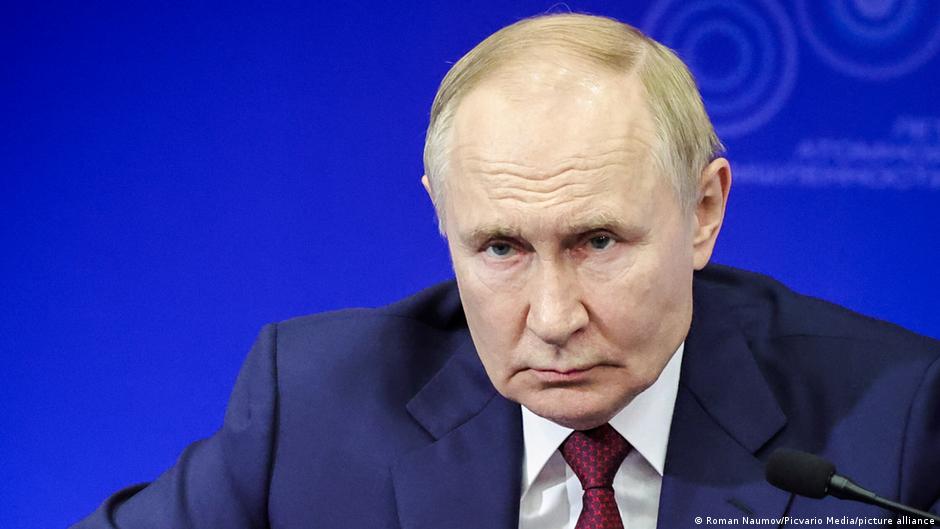
Putin backed using medically unfit volunteers for rear drone defense, signaling new pressure on Russia’s manpower, infrastructure and tech sectors.

Putin backed using medically unfit volunteers for rear drone defense, signaling new pressure on Russia’s manpower, infrastructure and tech sectors.

Germany plans drone defenses and a Cyberdome after the Leipzig incident, raising stakes for payments, fintech, logistics and digital infrastructure.

U.S. envoys discussed Ukraine peace plans with Putin and are heading to Kyiv, with fintech markets watching sanctions, payments and cyber risk.

NABU and SAP searched Ukraine’s prosecutor general’s office in a probe tied to scam call centers, asset laundering and suspected official protection.

Latvia says a Leipzig sabotage suspect lived in Russia, as the case raises wider concerns over logistics security, sanctions enforcement and trade-related risk.

Volkswagen approved a vast restructuring plan with 50,000 job cuts, major model reductions and a 135 billion euro investment program through 2031.

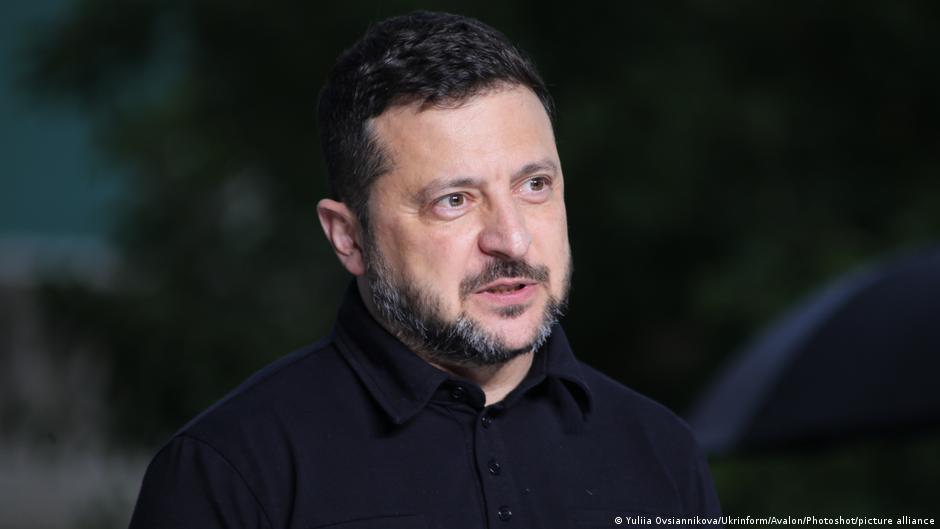
Putin said peace through diplomacy is possible, while Zelensky said U.S. envoys will visit Kyiv and Moscow to discuss a possible agreement.

Norway’s seizure of a Russian research vessel in a Naftogaz claim highlights rising legal and compliance risk across shipping, payments and digital finance.

Russia says it will shut Goethe-Institut branches after Berlin tightened sanctions and moved against the Russian House, raising wider compliance signals.

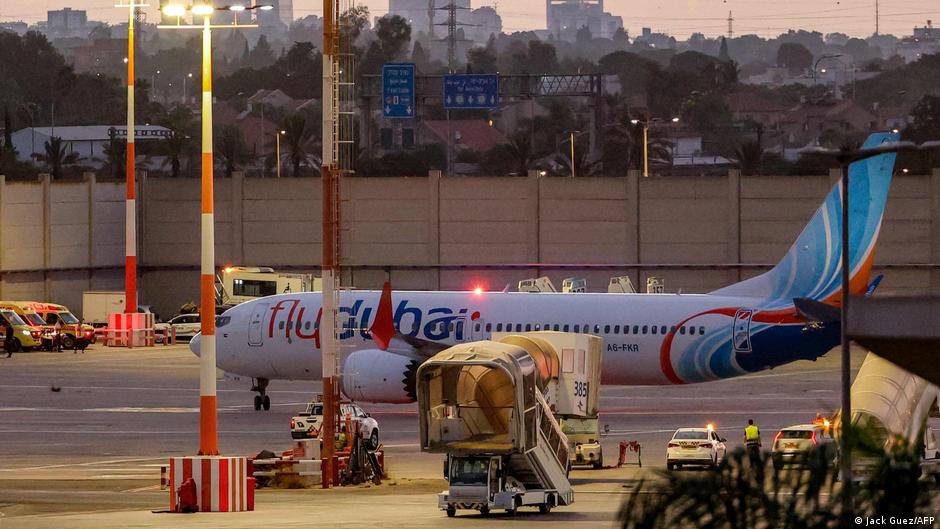
ICAO urged tougher safeguards for civilian aircraft after Ukraine warned that intensified military activity has made Russian airspace unsafe.

Uzbekistan’s decade of business reforms is reshaping licensing, taxes and digital state services, with direct implications for payments and formal-sector growth.

Putin told Pashinyan that Armenia’s move toward EU membership would amount to leaving the EEU, escalating a dispute with implications for trade and finance.

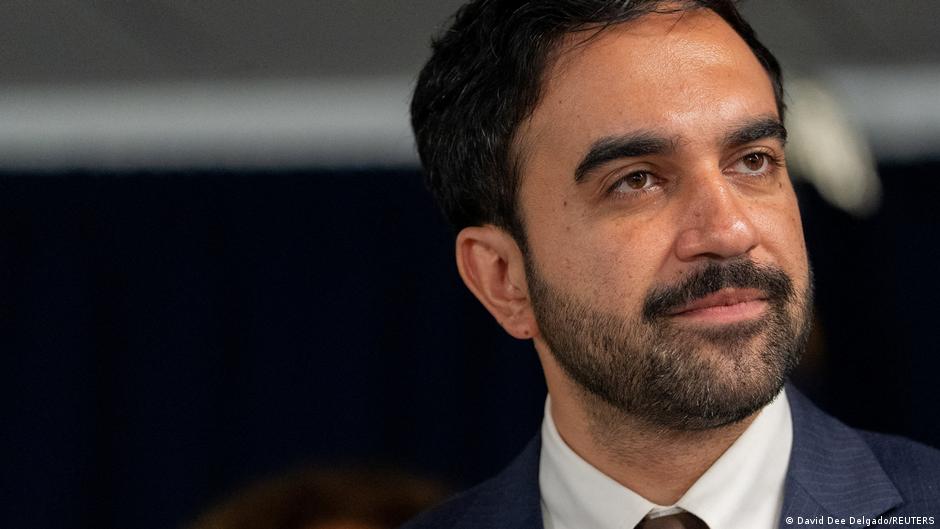
Daniel Driscoll's reported resignation adds uncertainty around Pentagon procurement, cybersecurity priorities and defense-tech market signals.

Foreign investment in Germany rose 50% to 86 billion euros in 2025, led by Britain and EU investors as US capital sharply declined.

Reuters reports the U.S. told Russia at the G20 not to expect sanctions relief before the war in Ukraine ends, extending pressure across finance and payments.

A debate over the cost of a first ID card in Uzbekistan is focusing attention on affordability, digital access and how regional peers price core identity documents.

Uzbekistan auctions its state-owned Fonon jewelry plant stake for 316.7 billion UZS, highlighting challenges in financial recovery and digital asset management.

Annalena Baerbock will join Columbia University as co-director of a public administration program after her UN General Assembly chairmanship ends in 2024.

Russia's covert sabotage campaigns on European defense plants involve criminal groups paid via cryptocurrency, challenging NATO's cybersecurity and response strategies.

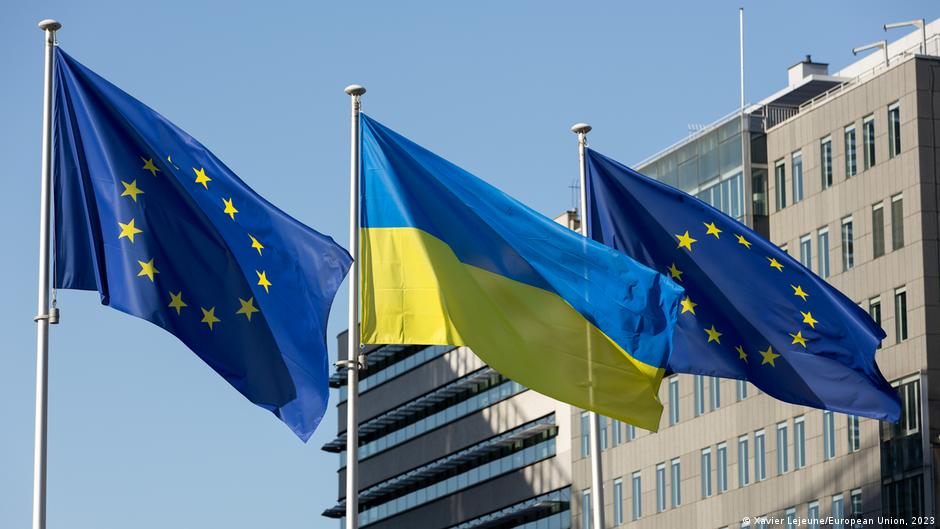
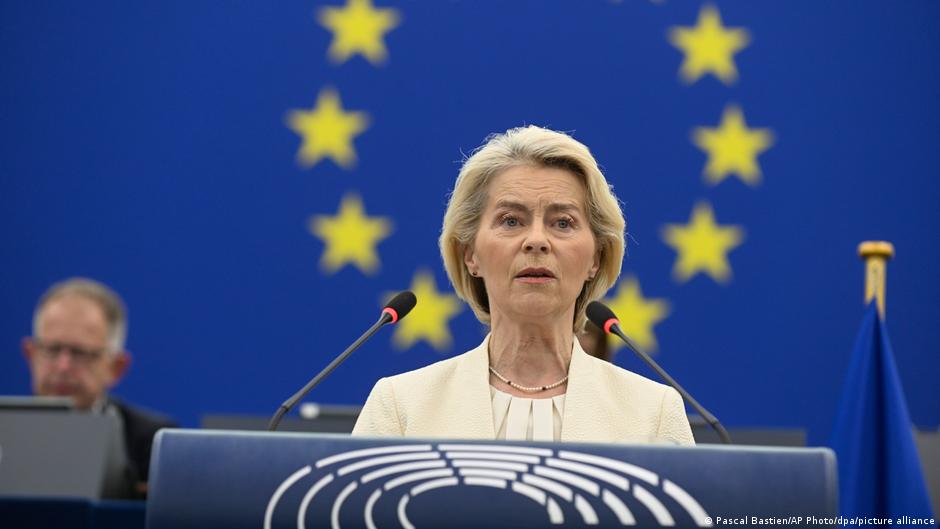
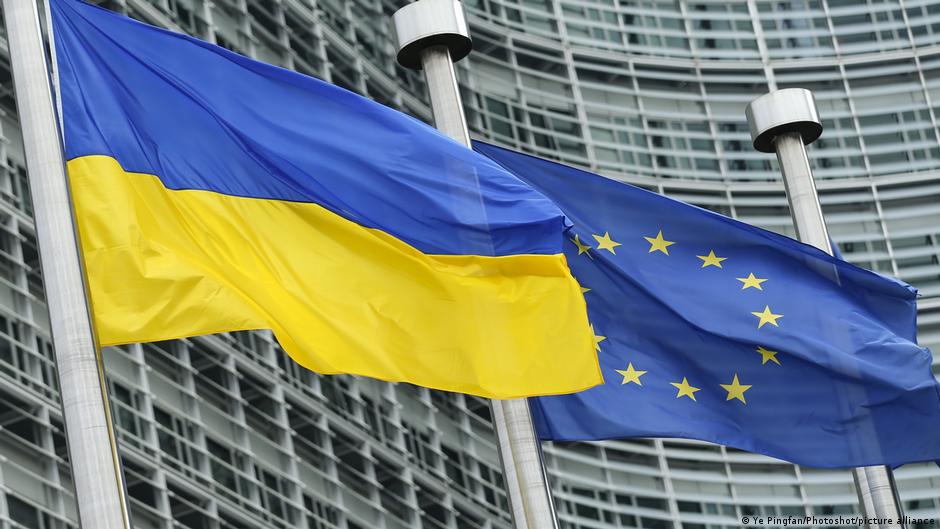
The EU pledges sustained support for Ukraine, emphasizing sanctions on Russia and prospects for Ukraine's EU integration, with implications for fintech and digital economy sectors.

Nearly 100 people were detained at an informal music festival near Vyborg over pro-Ukraine songs and calls for regime change, as Russian authorities intensified digital surveillance efforts.

Germany's wage gap between native and foreign full-time workers remains at 23.6% in 2025, with median salaries at €4,396 and €3,358 respectively, impacting digital economy and fintech sectors.

Russia updates regulations to allow people without limbs to drive buses and trucks, leveraging automation to enhance inclusivity for veterans and others with disabilities.

Finland summoned Russia's ambassador after an Il-20 aircraft briefly entered Finnish airspace, raising regional security and cybersecurity concerns amid rising tensions.

Hundreds of Ukrainian soldiers undergoing training in Germany have deserted since 2022, complicating military preparedness and legal frameworks amid ongoing conflict.

Latvia has published a list of 170 companies maintaining trade with Russia and Belarus despite the Ukraine war, impacting transparency and digital economy sectors.

Serbia will hold early parliamentary elections in October 2023 amid widespread protests demanding government accountability and anti-corruption measures.

NATO affirms readiness to counter potential Iranian strikes on European military sites, highlighting cybersecurity and fintech risks amid rising geopolitical tensions.

President Trump announced sweeping economic sanctions against Iran, threatening countries that do business with Tehran, impacting global trade, fintech, and digital payments.

US-Iran conflict over the Strait of Hormuz threatens oil trade routes and digital payment systems, with Oman caught in diplomatic crossfire amid escalating military tensions.

The US will reduce joint military exercises with South Korea, citing costs and diplomacy with North Korea, impacting regional stability vital to fintech and cybersecurity sectors.

Jared Kushner’s talks with Hamas leaders highlight how Middle East geopolitical tensions affect fintech, digital banking, and cybersecurity amid ongoing Gaza conflict.

Support for Germany's CDU/CSU drops to 20% with far-right AfD leading polls; upcoming regional elections may reshape political and fintech sector landscapes.

President Trump plans to declare the Strait of Hormuz U.S. territory, affecting global energy security and digital financial markets amid ongoing U.S.-Iran tensions.

Ukraine sanctions 13 ships and 28 companies over illegal grain exports from Russian-occupied territories, highlighting fintech's role in trade enforcement.

US forces disabled a cargo ship's steering attempting to breach Iran's blockade in the Strait of Hormuz, underscoring US control and geopolitical risks impacting global fintech and trade.

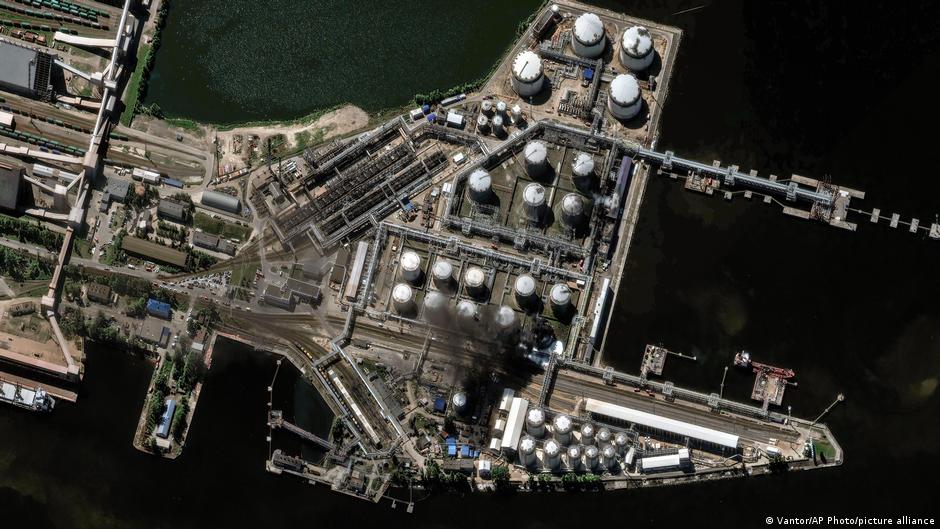
A fire at Wildberries’ Voronezh logistics hub due to drone attacks has disrupted supply chains and caused significant losses, underscoring risks to Russia's digital commerce infrastructure.

Turkey resumed commercial ship transit through the Dardanelles after restrictions linked to Black Sea conflicts disrupted key maritime trade routes impacting regional and global commerce.

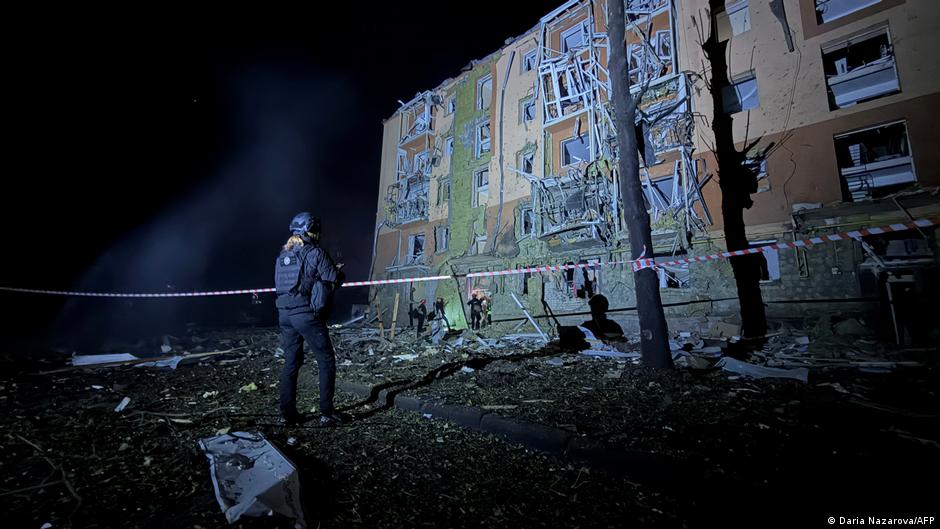
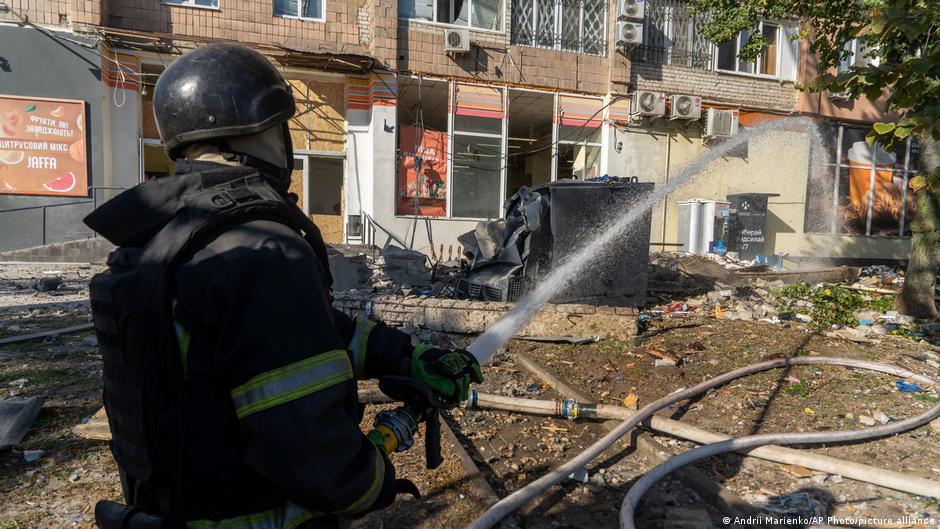
Russian military strikes in Ukraine damage civilian and digital infrastructure, raising concerns over fintech security and the stability of digital banking services amid ongoing conflict.

Russian missile strikes on Kyiv region cause casualties and fires, raising concerns about the safety and cybersecurity of Ukraine’s fintech and digital economy.

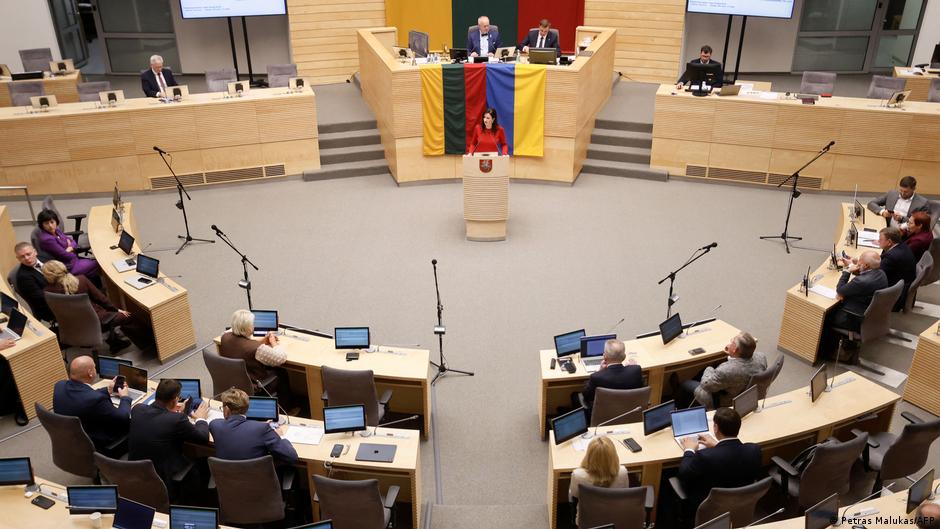
Lithuania warns Russia may use captured Ukrainian drones to attack Baltic critical infrastructure, posing risks to digital banking, payments, and cybersecurity.

Russia has declared the US-based Human Rights Foundation undesirable, citing its digital projects like the Tyranny Tracker and critical content against Russian authorities.

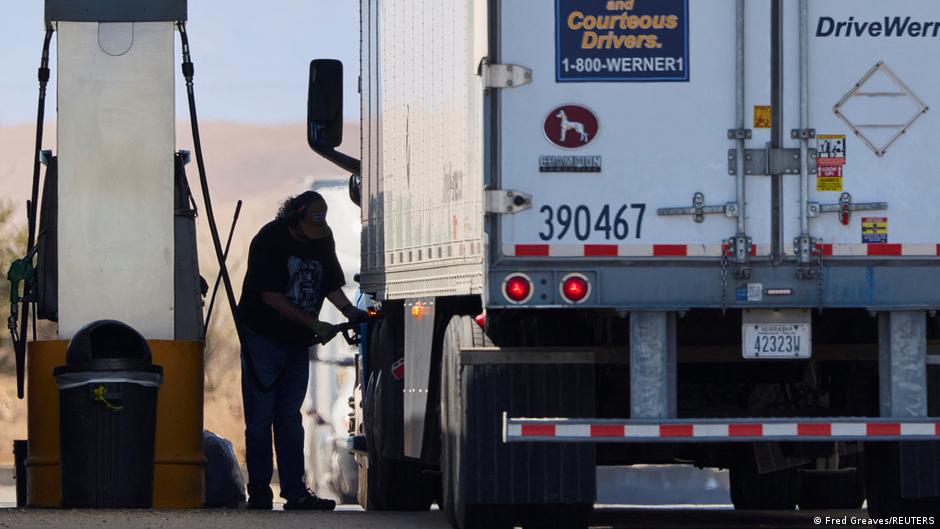
Russia extends permission for lower-grade fuel sales until 2027 amid refinery disruptions caused by attacks, impacting fuel supply, vehicle safety, and fintech-enabled payment systems.

Over 8.4 million Ukrainians live abroad amid conflict, driving demand for fintech services, digital payments, and secure cross-border financial solutions.

Russia moves its anti-submarine ship Admiral Levchenko to the Baltic Sea to secure shadow fleet operations, impacting maritime security and fintech risk management.

US-Iran talks resume August 3 with postponed strikes, impacting fintech, digital banking, and cybersecurity amid ongoing regional tensions.

The US will require visa bonds up to $20,000 from citizens of 50 countries to reduce visa misuse, impacting international payments and fintech solutions for cross-border travel.

Zaporizhzhia Nuclear Plant's repeated power outages amid conflict expose risks to energy security, digital infrastructure, and cybersecurity in the fintech sector.

An influx of nearly 60,000 migrants into the Spanish exclave Ceuta has triggered security measures, protests, and regional border suspensions, raising concerns for fintech, digital payments, and cybersecurity sectors.

Humo payment system’s net profit surged over threefold to 410.9 billion UZS in H1 2026, driven by strong revenue growth despite the loss of tax incentives.