Russian Attacks Hit Ukrainian Cities as Power Curbs Threaten Business Operations
Strikes on Kyiv, Odesa and Sumy damaged commercial and residential sites, while Ukrenergo imposed electricity limits affecting businesses and consumers.
Russian forces continued large-scale evening attacks on a number of Ukrainian regions on Wednesday, September 30, according to local authorities, emergency officials and media reports, causing damage in Kyiv, Odesa, Sumy and parts of the Kyiv region. The strikes also added pressure to Ukraine’s power system, prompting the national electricity transmission operator to announce consumption limits for October 1.
For Ukraine’s digital economy, the latest attacks underscore a recurring wartime risk: physical damage to urban infrastructure can quickly translate into operational disruption for businesses, payment networks, banks, retailers and technology-dependent services. The reported damage included warehouse facilities, a business center, residential buildings, vehicles and an educational facility, while emergency electricity restrictions were introduced or scheduled in several areas.
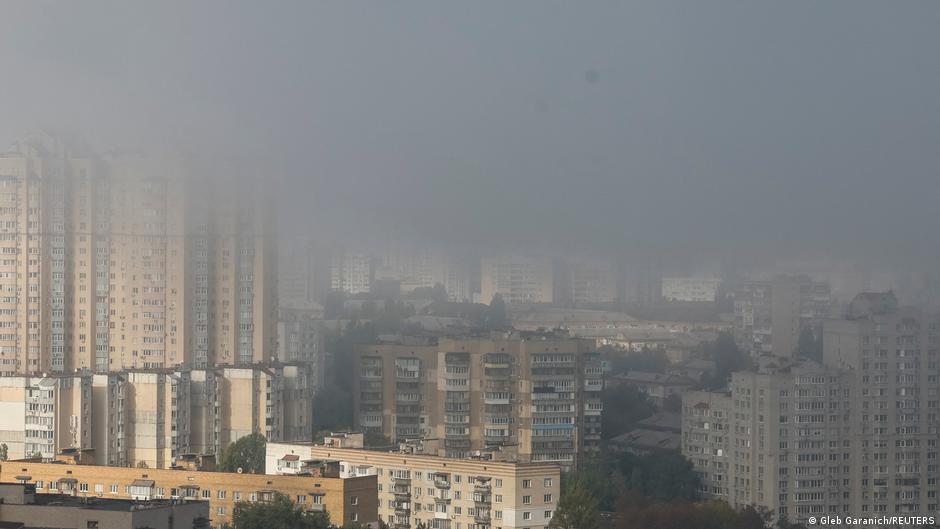
In Kyiv, Mayor Vitali Klitschko said on Telegram that a drone hit warehouse premises in the Obolonskyi district. In the Holosiivskyi district, debris from an unmanned aerial vehicle fell on open ground near a road, setting trees on fire. According to the UNIAN news agency, a Russian drone struck a multi-story residential building in Kyiv’s Solomianskyi district. The main damage was inflicted on a cafe on the ground floor, while the blast wave and debris also damaged several other establishments, apartment windows and parked cars nearby.
In Odesa, a drone hit a business center, according to the reports cited in the source material. The strike on a commercial site in a major Black Sea city is notable for companies operating office-based services, logistics, merchant payments and digital customer support functions, even where no specific financial institution or technology company was named as affected.
Power Limits Put Business Continuity Back in Focus
The evening attacks also caused damage across five districts of the Kyiv region, according to Timur Tkachenko, head of the Kyiv Regional Military Administration, writing on Telegram. He said a woman was injured in the Boryspil district as a result of the enemy attack. Residential buildings and cars were also damaged in the Bucha, Obukhiv, Fastiv and Bila Tserkva districts, and in Bila Tserkva an educational institution building was damaged as well.
Russian forces also struck Sumy with guided aerial bombs, the Main Directorate of Ukraine’s State Emergency Service in the Sumy region said on Facebook. Preliminary data indicated that six people were injured. Private and multi-apartment residential buildings were damaged in the city, and the roof of one building caught fire.
The attacks came with direct implications for electricity supply. In an evening Facebook post, the National Energy Company Ukrenergo said restrictions on electricity consumption were being introduced because of Russian attacks on energy facilities.
“Due to the difficult situation in the energy system, tomorrow, October 1, in certain regions of Ukraine, measures to limit consumption will have to be applied,” Ukrenergo said.
For industrial users and businesses, Ukrenergo said power limitation schedules would apply from 8:00 to 21:00. Hourly outage schedules for all categories of consumers would apply from 8:00 to 11:00 and again from 16:00 to 21:00. In Kyiv and three other Ukrainian regions, local authorities had already applied emergency power outage schedules on September 30.
The restrictions matter beyond the immediate energy sector. Digital banking, card acquiring, e-commerce checkout systems, delivery platforms, cryptocurrency services, point-of-sale terminals and cloud-connected retail operations all depend on reliable power and communications. The article did not report specific failures in payment systems, banks or crypto platforms, but scheduled and emergency outages can force companies to shift to backup power, reroute operations or limit service hours.
For merchants, especially cafes, shops and service businesses operating in damaged or outage-hit districts, the impact can be practical and immediate: terminals, routers, refrigeration, security systems and inventory systems require electricity. The reported damage to a ground-floor cafe in Kyiv and to a business center in Odesa illustrates the dual exposure of Ukraine’s urban economy to both direct property damage and infrastructure disruption.
Energy Infrastructure Remains a Digital Economy Risk
Ukraine’s wartime economy has leaned heavily on digital services, remote work, electronic payments and online coordination among businesses and public services. That resilience depends on backup capacity and the ability of operators to maintain connectivity during energy shocks. Ukrenergo’s announcement shows that attacks on energy facilities can still trigger consumption limits affecting both households and commercial users.
The source reports did not specify the number of drones or bombs used, the full scale of damage to energy facilities, or the financial cost of the attacks. They also did not identify any named banks, fintech firms, listed technology companies or crypto businesses as direct targets. Still, for investors and operators tracking Ukraine’s digital and financial infrastructure, the key signal is the same: security events and grid instability remain intertwined operational risks.
As of the evening reports, the known human toll included at least six injured people in Sumy and one injured woman in the Boryspil district of the Kyiv region. Damage was reported in multiple urban and regional locations, including warehouses in Kyiv, a business center in Odesa, residential properties in Kyiv and Sumy, vehicles in the Kyiv region and an educational facility in Bila Tserkva.
The scheduled restrictions for October 1 mean businesses were preparing for a day of constrained electricity access, with the longest industrial and commercial limits running from morning into the evening. For Ukraine’s broader financial and technology ecosystem, the episode is another reminder that cybersecurity and digital continuity planning are only part of the resilience equation; physical infrastructure, power supply and emergency operations remain just as central to keeping digital commerce online.