NATO Considers Expanding Nuclear Deterrence in Europe Amid Security Concerns
NATO considers deploying tactical nuclear weapons in Finland, Poland, and Lithuania, raising security and digital economy concerns amid Russian threats.

NATO considers deploying tactical nuclear weapons in Finland, Poland, and Lithuania, raising security and digital economy concerns amid Russian threats.

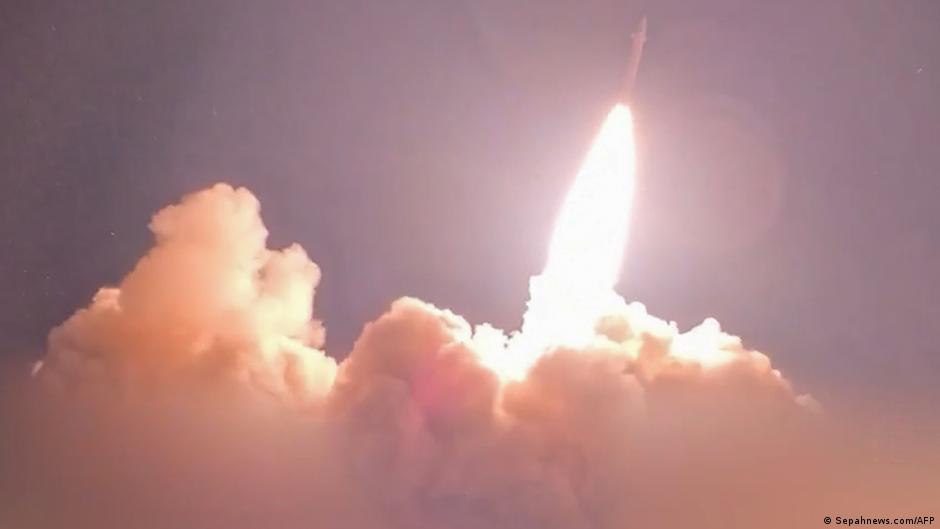
US forces intercepted Iranian ballistic missiles targeting American troops in the Middle East, underscoring risks to regional security and fintech sectors amid rising tensions.

The US Senate advances a bill imposing heavy tariffs on Russia, with broad implications for fintech, digital banking, and sanctions compliance.

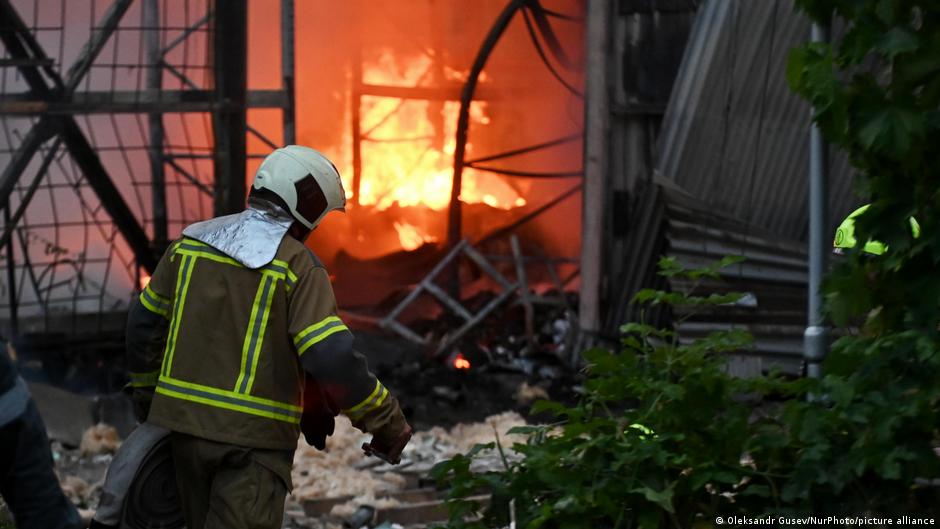
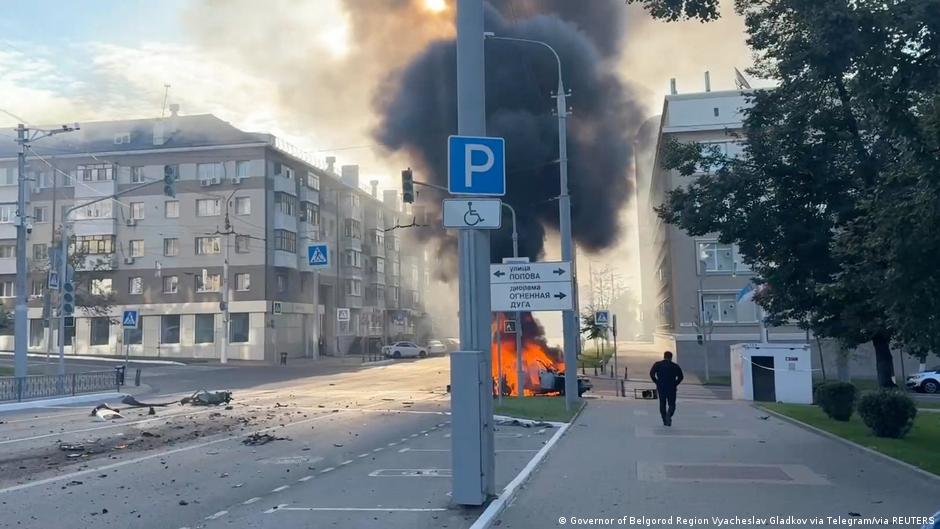
Ukrainian drone strikes targeted Russian cities and a military airbase, impacting critical infrastructure and raising concerns for fintech and digital economy security.

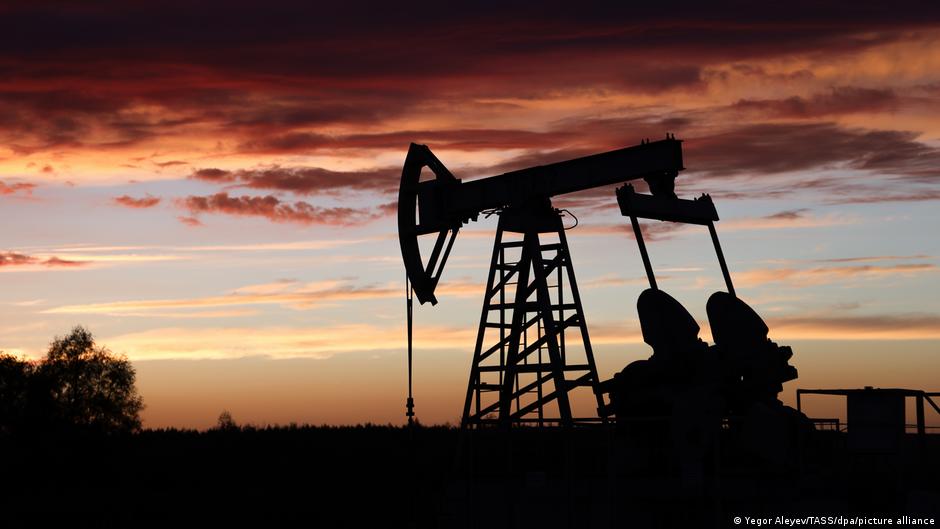
Russia’s July oil and gas revenues could rise 60% year-on-year due to global price increases, despite sanctions aiming to limit its energy export earnings.

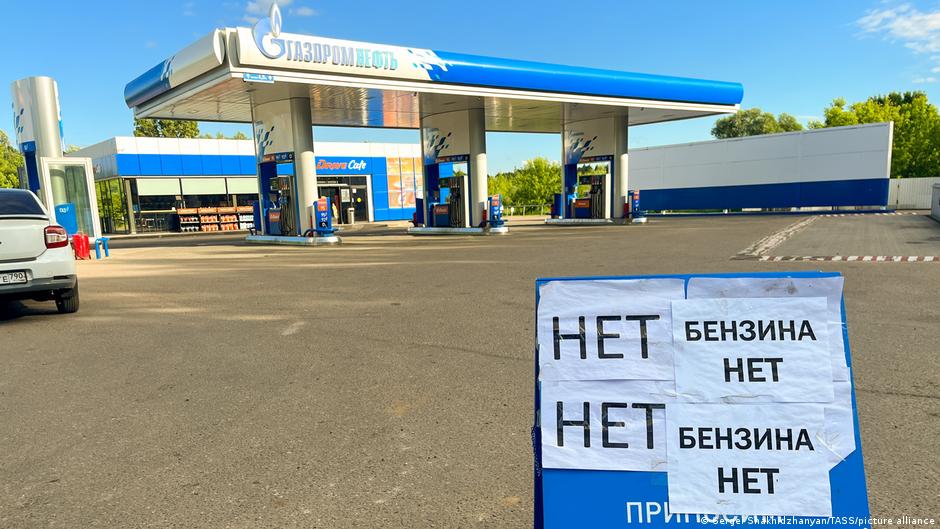
Russia's petroleum product production index fell nearly 22% in June amid ongoing infrastructure disruptions, impacting fuel availability and market dynamics.

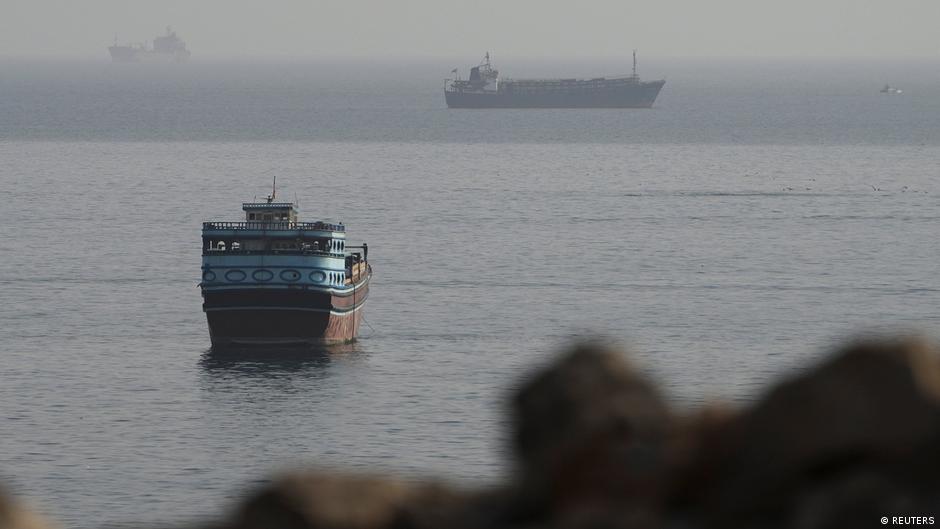
Iran’s Revolutionary Guard mined and attacked an oil tanker in the Strait of Hormuz, impacting global energy trade and digital financial networks connected to maritime oil shipments.

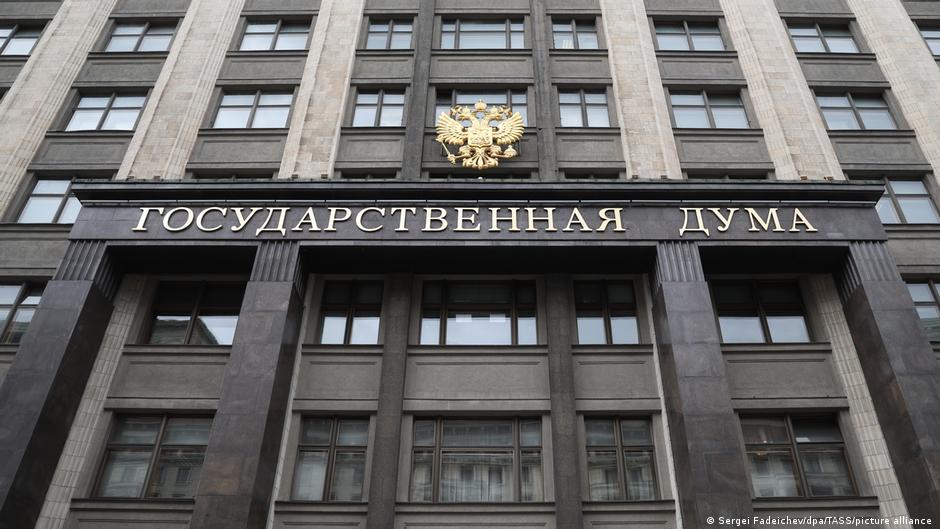
Russia's State Duma amends fuel dampener laws to stabilize prices, expand supply, and introduce new compensation schemes, affecting energy markets and fintech-related trading mechanisms.

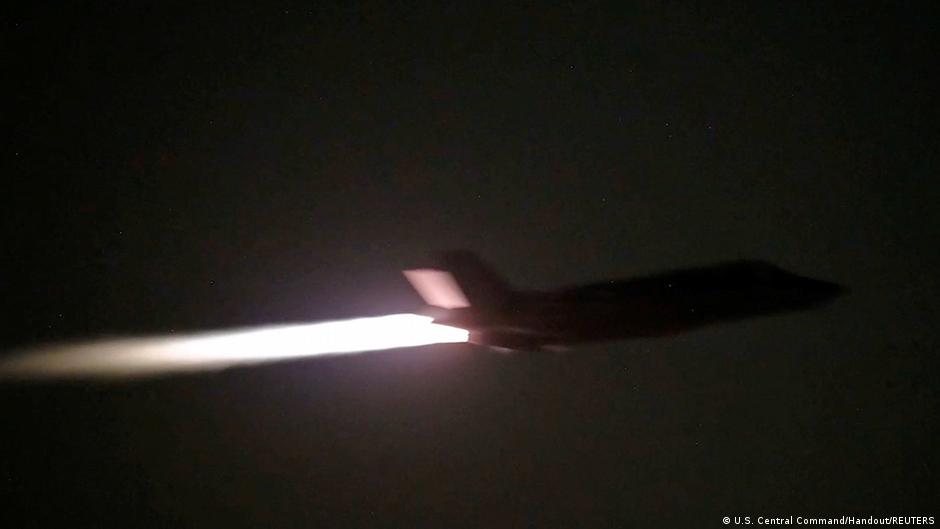
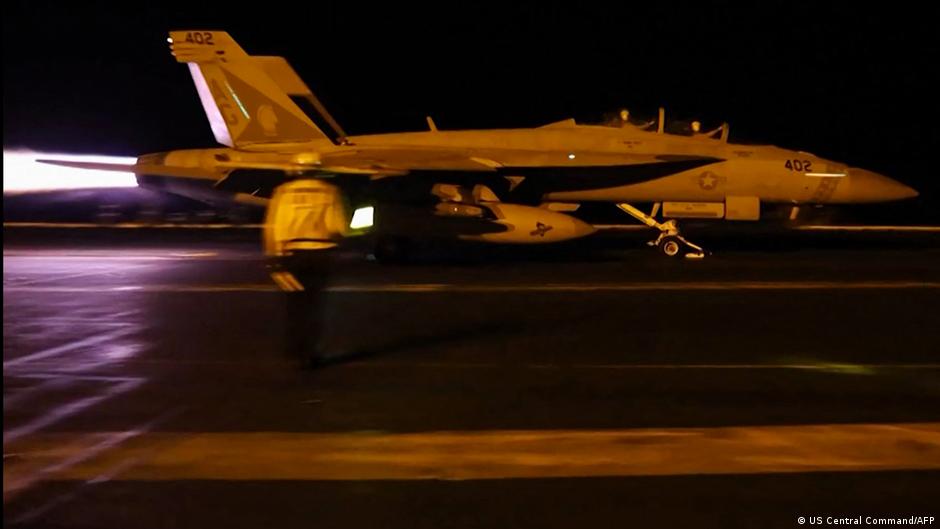
US forces continue 11th night of strikes on Iran, targeting military assets in a bid to secure Strait of Hormuz shipping lanes amid rising regional tensions.

US military strikes on Iran enter tenth day, targeting missile sites and air defenses, escalating regional tensions with implications for global trade, fintech, and cybersecurity.

The US has imposed 50% tariffs on Canadian imports, affecting cross-border trade and potentially disrupting fintech, digital payments, and e-commerce between the two countries.

The IMF has approved a €604 million disbursement to Ukraine following satisfactory progress in its Extended Fund Facility program, supporting economic and digital sector resilience.

US military deaths in the Iran conflict have reached 17, intensifying geopolitical risks that impact fintech, digital payments, crypto markets, and cybersecurity worldwide.

US strikes on Iran continue for the ninth night, disrupting Gulf trade routes and impacting energy supply chains, with significant implications for fintech and cybersecurity sectors.

US plans to allow Saudi Arabia uranium enrichment without strict IAEA oversight raise nuclear proliferation risks and impact fintech, cybersecurity, and tech investments.

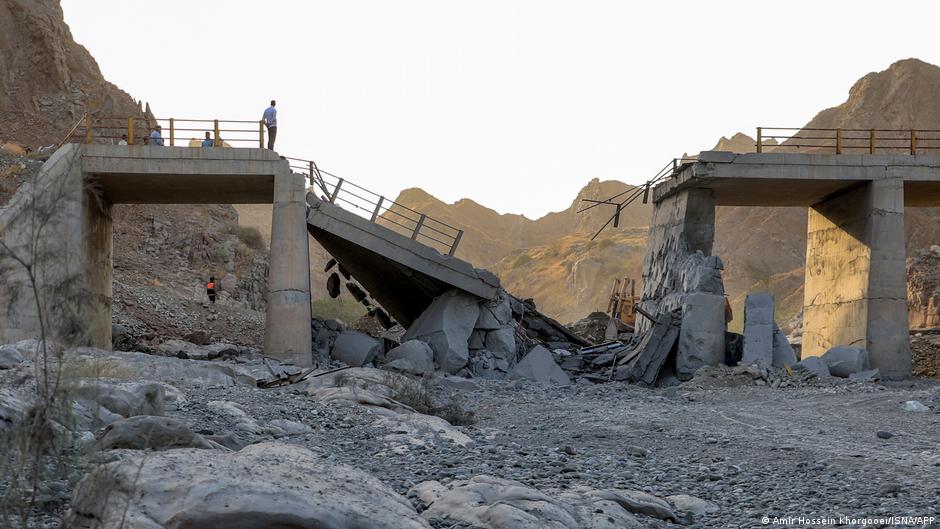
The US military intensified strikes on Iranian infrastructure, targeting bridges, airports, and energy sites, escalating regional tensions with implications for fintech and digital economy stability.

Ukraine's parliament is set to approve Sergey Koretsky as the new Prime Minister, marking a significant government reshuffle with implications for the digital economy and energy sectors.

US military strikes on Iran escalate tensions, impacting maritime security, digital payments, and fintech sectors amid enforced maritime blockades and retaliatory attacks.

The US is advancing plans to restore an Iraq-Syria oil pipeline bypassing the Strait of Hormuz, aiming to reduce Iran's influence and reshape regional energy routes.

US military strikes near the Strait of Hormuz aim to prevent Iranian attacks on commercial shipping, affecting global oil trade and digital economy security.

US military strikes on Iran escalate tensions, closing the Strait of Hormuz and disrupting global oil flows with significant implications for fintech, digital payments, and cybersecurity.

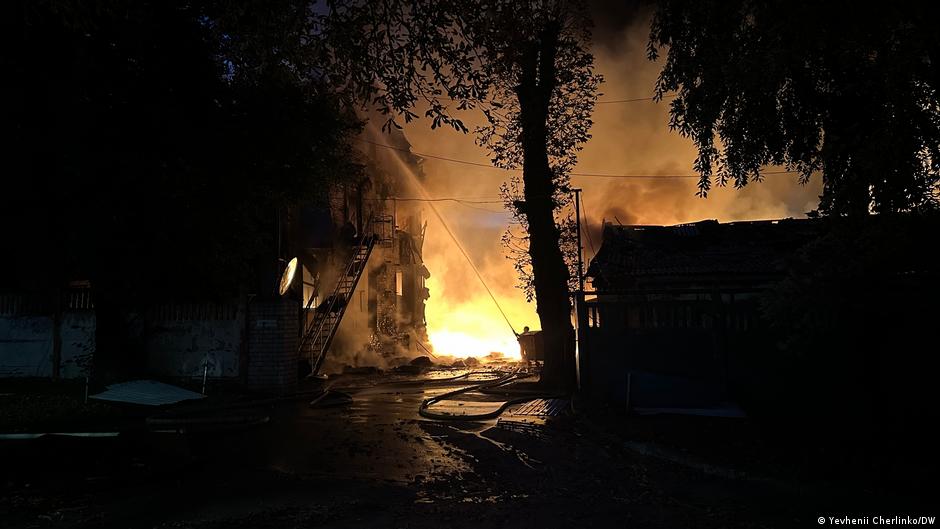
Russian missile strikes on Kyiv damage critical infrastructure, raising concerns over fintech resilience, cybersecurity, and economic stability amid ongoing conflict.

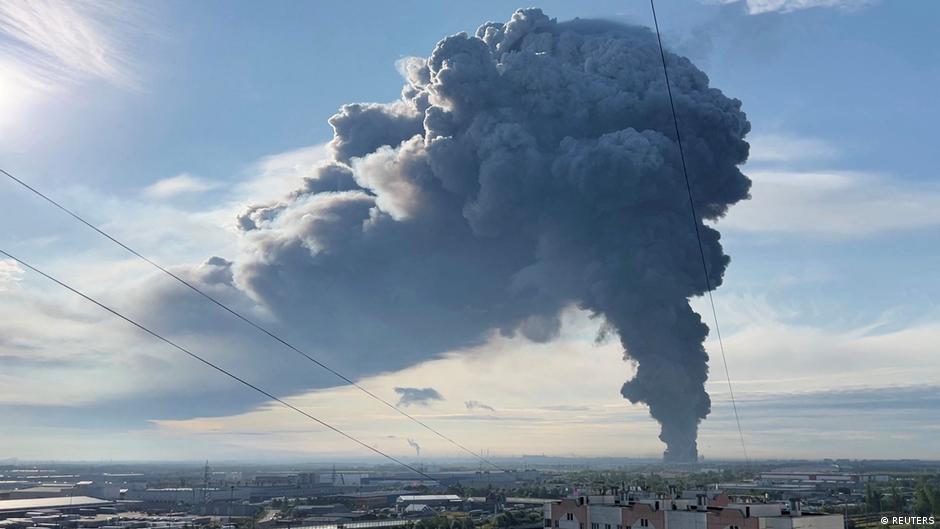
The Saratov oil refinery in Russia has ceased operations after drone attacks damaged key processing units, intensifying fuel shortages and impacting the digital economy.

US military strikes on Iran target maritime infrastructure in the Strait of Hormuz, raising risks for global trade, energy markets, and fintech payment ecosystems amid escalating tensions.

Fuel prices in Crimea nearly doubled in early July amid Russia's export ban on diesel and ongoing supply shortages affecting energy markets and digital payment trends.

US military strikes on Iran retaliate against tanker attacks in the Strait of Hormuz, raising risks for maritime trade, energy markets, and digital financial ecosystems.

Cuba's nationwide blackout amid U.S. fuel sanctions intensifies energy crisis, complicating economic reforms and threatening digital economy and fintech development.

"Gazprom" partners with Russia's Defense Ministry to create mobile units protecting gas infrastructure, blending civilian employment with military reserve duties amid rising security concerns.

Russia authorizes use of higher-sulfur Euro-3 fuels domestically until 2026 to address supply disruptions caused by attacks on refineries, excluding exports to EAEU states.
Russian drone and missile strikes in Ukraine fell 29% and 15% respectively in June, signaling potential shifts in military tactics and industrial constraints amid ongoing conflict.

The US has once again extended a 30-day license allowing Serbian oil company NIS, controlled by Gazprom, to operate under sanctions while the sale of Gazprom’s stake faces delays.

The US and Iran agree to halt attacks until June 30 ahead of talks on reopening the Strait of Hormuz, impacting energy markets and fintech sectors.

US air strikes targeted Iranian military sites following drone attacks on commercial tankers in the Strait of Hormuz, raising concerns over cybersecurity and digital trade risks.

Ballistic missile attacks on Kyiv and other Ukrainian cities pose significant risks to digital infrastructure, fintech services, and cybersecurity amidst ongoing conflict.

Russia's aviation fuel imports from Belarus surged amid domestic production declines and refinery disruptions, prompting export bans and regional fuel sales restrictions.

US airstrikes on Iranian military sites followed Iran's drone attack on a commercial vessel in the Strait of Hormuz, escalating risks to maritime security and impacting global trade and fintech sectors.

Finland has repealed its ban on importing nuclear weapons, a move that carries significant implications for national security and the fintech sector’s cybersecurity and digital payment systems.

France and Italy question the EU's proposed ban on Russian combatants' entry, fearing it may extend to all Russian nationals, complicating fintech compliance amid sanctions.

A drone attack on the Poltava oil depot near Krasnodar caused fires and highlighted vulnerabilities in regional energy infrastructure affecting fintech and digital economy stability.

The US Senate approved a resolution urging troop withdrawal from Iran conflict zones amid peace talks, highlighting potential impacts on sanctions, digital payments, and fintech sectors.

Russia’s maritime oil exports hit a record high since early 2026 amid US sanctions easing for Iran, pressuring global prices and intensifying competition on markets like India.
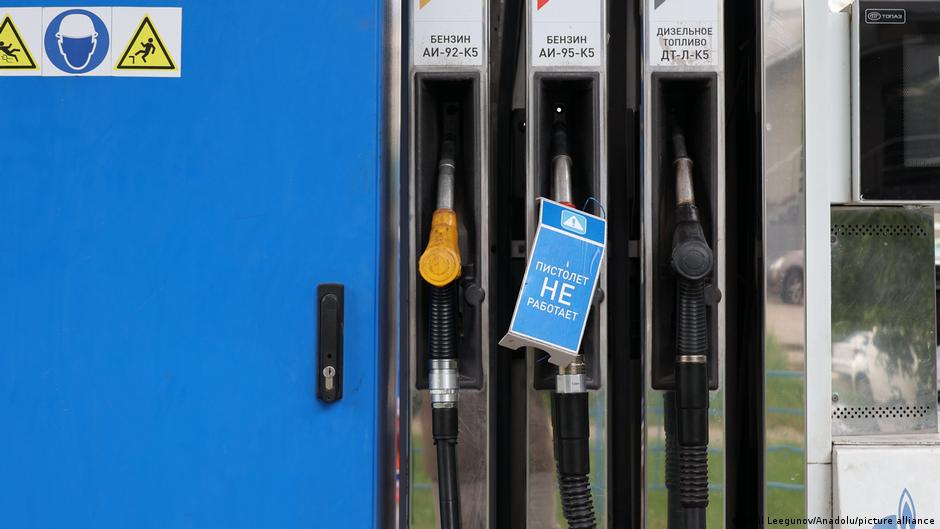
Russia imposes fuel purchase limits in 53 regions due to refinery attacks, disrupting oil production and challenging digital payment systems linked to fuel sales.

Russian attack on Zaporizhzhia injured civilians and damaged infrastructure, highlighting risks to regional economic stability and digital services amid ongoing conflict.

The US and Iran agreed on a communication channel to prevent incidents in the Strait of Hormuz, aiming to finalize broader agreements within 60 days, impacting regional security and fintech sectors.

The US may impose fees on ships passing through the Strait of Hormuz amid Iran deal uncertainty, affecting energy trade and digital payment systems in a key maritime corridor.

Germany urges Turkey to exclude Russian gas in future EU energy deals, impacting fintech and digital payments as Turkey aims to become a regional gas hub.

Drone attacks on Crimea disrupted key energy and transport infrastructure, exposing vulnerabilities with significant fintech and digital economy implications.

Bulgaria plans to veto new EU sanctions on Russia due to economic risks and opposition to sanctions against Patriarch Kirill, raising concerns about energy and supply chain impacts.

The EU agrees to extend sanctions on Russia for one year, increasing pressure on energy and finance sectors, with implications for fintech, cybersecurity, and digital payments.

The US has lifted its naval blockade of the Strait of Hormuz, enabling record oil shipments and initiating a 60-day negotiation period with Iran to finalize a peace deal.