Yemen Offensive Near Mocha Raises New Risks for Red Sea Trade and Energy
Government forces and Houthi fighters both claim battlefield gains as the conflict threatens shipping routes, oil assets and regional security.
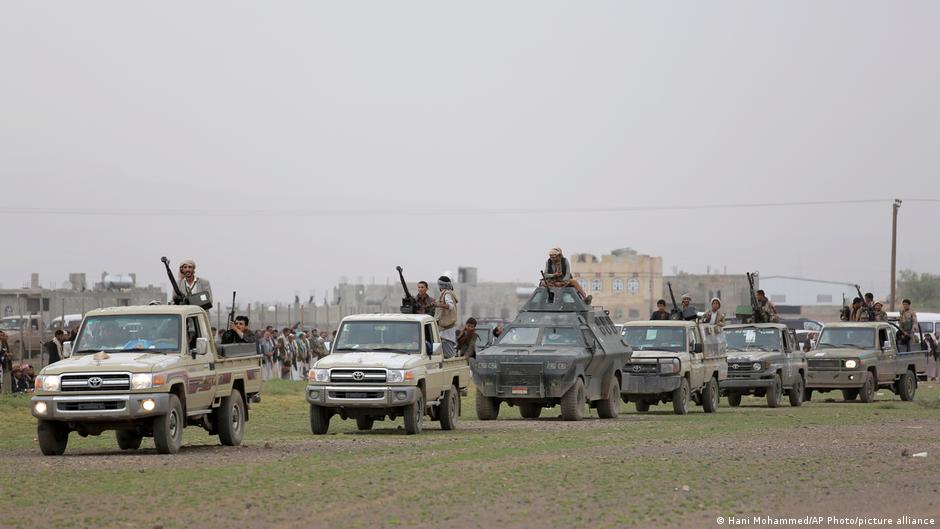
Yemen’s internationally recognized authorities are seeking to regain control over the country’s full territory from the Houthi movement, opening a new military phase with implications well beyond the battlefield. The latest fighting is focused near the port city of Mocha, a strategic location on Yemen’s Red Sea coast close to the Bab el-Mandeb Strait, one of the world’s most sensitive maritime chokepoints.
For markets, the confrontation is not only a regional security story. It touches global trade routes, energy pricing, payment flows, insurance costs and the wider digital economy that depends on predictable logistics. Any escalation around the Red Sea corridor can quickly affect shipping schedules, fuel costs and the operating environment for companies exposed to cross-border commerce, oil infrastructure and transport-linked financial services.
Forces loyal to Yemen’s internationally recognized government have reached the approaches to Mocha, according to statements cited by Reuters on Monday, October 5. The authorities say their troops are advancing deeper into positions held by the Houthi group Ansar Allah, which had taken the city a month earlier.
The reports of fighting near Mocha were among the first accounts of government strikes on Houthi positions after Rashad al-Alimi, chairman of Yemen’s Presidential Leadership Council, announced on October 4 the start of a large-scale military operation against the group.
Al-Alimi said the aim of the operation is to return all Yemeni territory to the control of the internationally recognized authorities.
That objective will require major effort. The Houthis control substantial parts of Yemen, including the country’s most densely populated areas and the capital, Sanaa. In late September, Yemen’s authorities announced the start of a general mobilization to fight the Houthis and promised amnesty to all Ansar Allah members who defect to government forces.
Strategic Coastline, Market Exposure
The battle for Mocha matters because of geography. The city sits on the coast near the Bab el-Mandeb Strait, a passage linking the Red Sea with the Gulf of Aden. Control over territory around this corridor can affect the security assumptions used by shipping companies, energy traders, insurers and banks that finance trade across the Middle East, Africa, Europe and Asia.
Houthi advances along Yemen’s Red Sea coast have already increased concern over maritime security. The group has intensified attacks inside Yemen with the stated aim of capturing the country’s entire Red Sea coastline. Its earlier gains, including the seizure of Mocha, have contributed to a situation in which Iran and its allies have consolidated control over key waterways in the region, according to the source article.
The rebel attacks have threatened global trade routes and contributed to higher energy prices. Houthi leaders have also separately declared the Bab el-Mandeb Strait closed to ships from Saudi Arabia. For the financial technology sector, such disruptions can feed into higher transaction risk, more expensive trade finance, delayed settlement cycles and greater compliance scrutiny for companies handling cross-border payments in affected corridors.
Digital banks, remittance firms and payment processors with exposure to Gulf markets, East Africa or trade-linked clients may face indirect pressure if logistics networks reroute, fuel prices rise or sanctions screening becomes more complex. The risks are especially relevant for platforms serving migrant-worker remittances, commodity traders and small import-export businesses that depend on predictable shipping and foreign exchange costs.
Claims From Both Sides
Both sides are claiming success on the battlefield. Yemen’s internationally recognized authorities say they are advancing against Houthi positions near Mocha. Ansar Allah, meanwhile, has claimed gains of its own. Yemen Press Agency, citing a representative of the group, reported that the Houthis captured one district in Taiz province as well as al-Alimi’s former residence in the region.
The Houthi-controlled Al Masirah television channel also broadcast video footage showing the seizure of al-Alimi’s multi-storey house. In the video, Houthi fighters raise the group’s flag over the building.
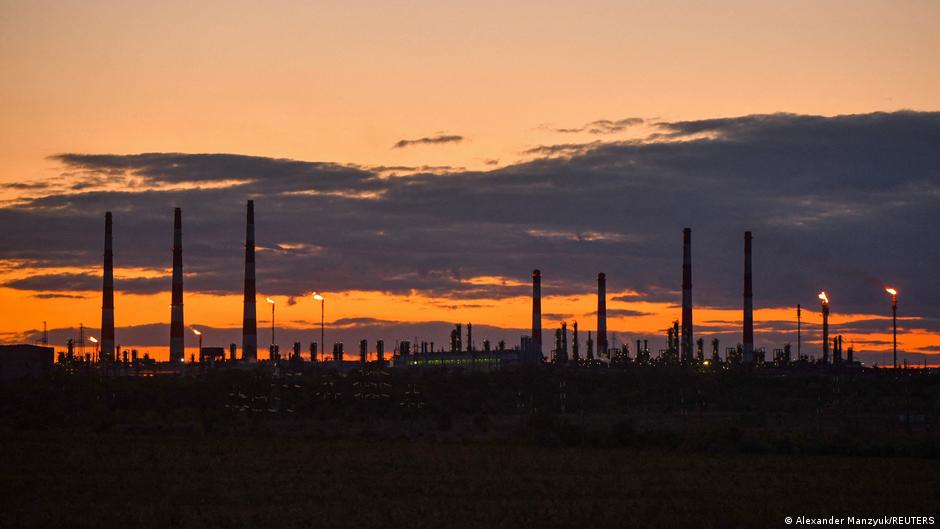
Houthi military spokesman Yahya Saree also announced a series of operations inside Saudi Arabia. According to Saree, the Houthis attacked King Khalid International Airport in Riyadh, an Aramco refinery in Rabigh and several military facilities in the kingdom. Saudi Arabia has not confirmed those claims.
Attacks involving airports, refineries and military targets carry financial implications because they touch infrastructure used by aviation, energy supply chains and state-linked corporate assets. Aramco facilities are closely watched by investors because any confirmed disruption can move oil expectations, energy equities and broader risk sentiment across Gulf markets.
Regional Defense Pact Adds Another Layer
Reuters reported that Riyadh, Ankara and Islamabad have agreed to rapid troop deployment in the region under the Mecca Defense Pact concluded in August. The pact provides for a collective response by Turkey, Saudi Arabia and Pakistan to an attack on any of the three countries. According to Reuters, Riyadh is ready to take part in the Yemeni government forces’ offensive against the Houthis by providing air support.
The prospect of broader regional involvement raises the stakes for investors and technology companies operating in the Middle East. A wider campaign could increase demand for cybersecurity monitoring, sanctions compliance tools and real-time risk analytics, while also weighing on travel, energy and logistics-sensitive equities.
The current escalation follows earlier Houthi actions in September. At the beginning of that month, the group announced an expansion of military operations in the Middle East and struck four cities in southern Saudi Arabia. More than 70 people were injured in the large-scale shelling, and fires broke out at oil facilities. Saudi Arabia responded with more than 60 airstrikes on several Houthi-controlled provinces.
On September 19, the Saudi-led Coalition to Restore Legitimacy in Yemen said Yemeni rebels had attempted for the first time the previous night to strike Riyadh with a ballistic missile. Brigadier General Turki al-Maliki, the coalition’s official spokesman, said on X at the time that the missile had been intercepted and destroyed.
The renewed offensive near Mocha therefore sits at the intersection of war, energy security and digital commerce. If fighting expands around the Red Sea corridor or into Saudi infrastructure, the effects could be felt not only in oil markets but also in the payment systems, crypto channels, trade-finance platforms and cybersecurity operations that support a more digitized regional economy.