Kyiv Missile Strike Kills One, Damages Metro Infrastructure
The attack highlights the physical risks facing urban infrastructure underpinning Ukraine’s increasingly digital economy.

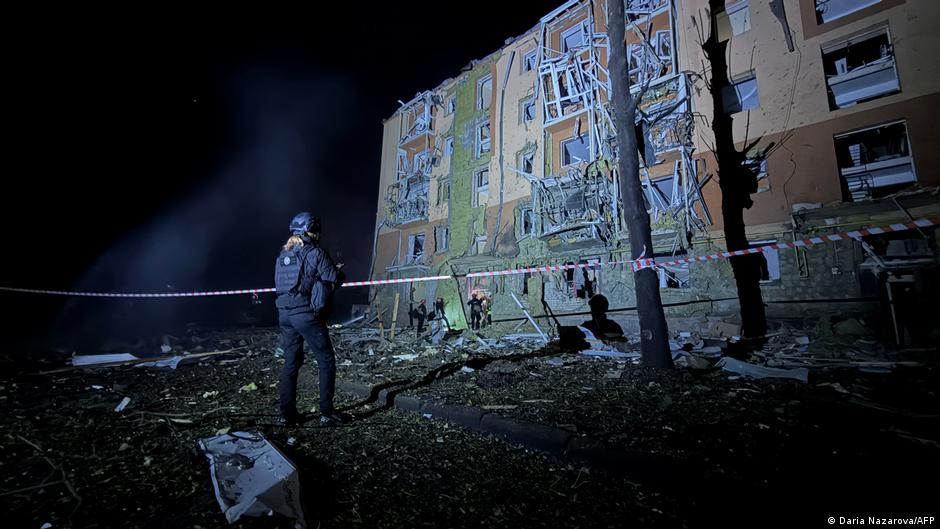
A Russian ballistic missile attack on Kyiv on the evening of October 18 killed a 21-year-old woman and injured three other residents, according to Ukrainian officials. The strike damaged buildings in several districts of the capital and affected a metro station on the left bank of the Dnipro River.
Kyiv Mayor Vitali Klitschko said the reported impacts included what was preliminarily identified as a medical center in the Desnianskyi district, a non-residential building in the Dniprovskyi district and the first floor of a 25-story residential building in the Solomianskyi district.
One of the city’s metro stations was also damaged. Falling debris caused a break in the rails, Klitschko said. The source report did not specify the duration of any transport disruption or identify the affected station.
“A 21-year-old woman was killed, and three residents were injured,” Klitschko said in a statement on Telegram.
Ukraine’s Air Force said Kyiv had been attacked with a ballistic missile on the evening of October 18. No further details about the weapon, the extent of the structural damage or the condition of those injured were provided in the source report.
Infrastructure risk extends into the digital economy
Although the reported casualties and physical destruction are the immediate consequences of the attack, damage across residential, medical and transport sites also illustrates the operating environment surrounding Kyiv’s digital economy. Payment services, online banking, cryptocurrency platforms and other technology businesses ultimately depend on physical systems, including electricity, telecommunications networks, transport links and secure workplaces.
The reported damage to metro infrastructure is particularly relevant because urban mobility supports the employees, contractors and customers of financial and technology companies. The rail break does not, by itself, establish that payment processing, digital banking or cryptocurrency services were interrupted. However, it demonstrates how falling debris can affect infrastructure outside the buildings directly struck.
For banks and fintech companies operating during the war, the incident reinforces the importance of business-continuity arrangements that account for risks to personnel and transport as well as technical systems. A digital service may remain available online while employees, customers or support teams face physical disruption across the city. The source report did not identify any outage involving banks, card networks, mobile applications, cryptocurrency exchanges or telecommunications providers.
The preliminary report that a medical center was hit also underscores the role of digital systems in essential services. Medical facilities may rely on electronic records, digital communications and payment tools, but officials did not disclose whether any such systems were affected in this case. The available information is limited to the reported building impact.
Cybersecurity remains separate from confirmed strike damage
Physical attacks and cyber threats are often considered together in resilience planning because both can place pressure on communications, access controls and service availability. In this incident, however, Ukrainian authorities reported a missile attack and damage caused by impacts or falling debris. They did not report a related cyberattack, data breach or compromise of financial infrastructure.
That distinction matters for investors assessing Ukrainian technology companies and other businesses with exposure to the country. The event provides evidence of continuing physical security risk in the capital, but the source contains no information about trading in technology stocks, company valuations, financial losses or market reaction. Any assessment of the effect on publicly traded companies would therefore require additional disclosures and market data.
The same caution applies to cryptocurrency activity. Digital assets can be transferred without relying on bank branches, yet users and service providers still require devices, connectivity and electricity. Nothing in the official information cited in the source indicates that cryptocurrency transactions or platforms were disrupted by the strike.
The attack’s verified toll remained one person killed and three injured in the initial account. Officials reported damage in three Kyiv districts and at a metro station, with the Ukrainian Air Force identifying the attack as involving a ballistic missile. Further assessments would be needed to determine the full effect on buildings, transportation and any connected commercial or digital services.