US Gas-for-Peace Proposal Raises Stakes for European Markets
A reported US plan to revive Russian gas flows could reshape energy payments, bank compliance and European technology valuations.
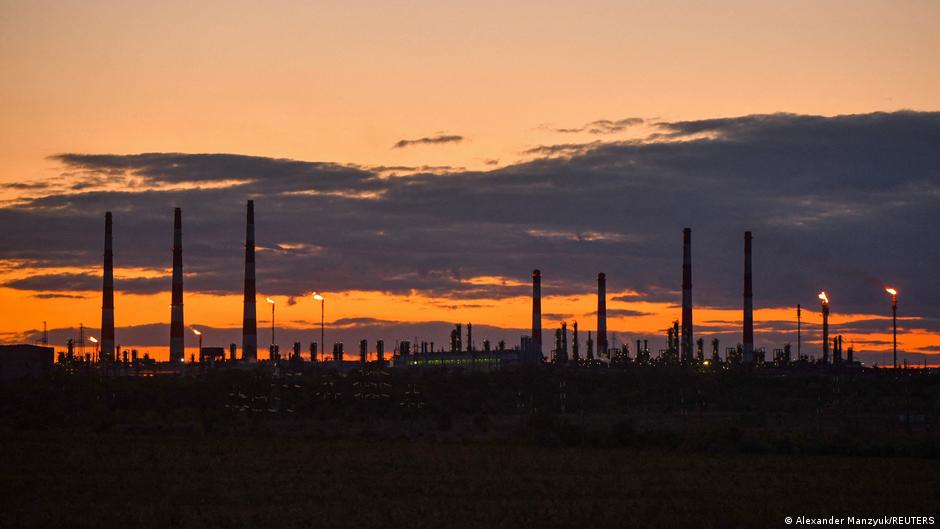
US envoys have proposed restoring large-scale Russian pipeline gas supplies to Europe as part of a potential agreement to end the war in Ukraine, according to The New York Times. The initiative could have consequences far beyond energy markets, affecting cross-border payments, sanctions compliance, digital banking infrastructure and the outlook for European technology companies.
The newspaper reported on Saturday, October 17, citing people familiar with the discussions, that renewed European purchases of Russian pipeline gas would be a central element of a new US proposal. Washington reportedly views the return of substantial gas revenue as an economic incentive for Russia to end the conflict.
Steven Witkoff and Jared Kushner, special envoys for US President Donald Trump, raised the idea during talks with Ukrainian and European Union representatives, according to the report. The proposal was also discussed with Ukrainian President Volodymyr Zelensky during a meeting in Kyiv in September.
Payments and compliance would face a complex reset
Any resumption of Russian gas trade would require financial institutions and payment providers to navigate a difficult intersection of energy contracts, sanctions controls and political risk. Banks handling settlements would need clarity on permitted counterparties, currencies and transaction structures, while compliance technology providers would have to update screening and monitoring systems as rules evolved.
The European delegation reportedly reacted skeptically. Günter Sautter, German Chancellor Friedrich Merz’s closest adviser on security matters, sharply criticized the idea, according to the newspaper’s sources. Some European and Ukrainian officials also expect the United States to seek a share of Russian gas exports.
That expectation introduces another possible layer to the payment architecture. Any US commercial participation could affect how transactions are financed, cleared and monitored, although the report did not specify a mechanism or proposed ownership structure. It also did not describe any role for digital assets or cryptocurrency. For crypto markets, the immediate relevance therefore lies primarily in broader sanctions enforcement and scrutiny of cross-border value transfers rather than in a stated use of tokens for energy settlement.
Nord Stream discussions add market uncertainty
US officials also discussed restarting Nord Stream with the Russian side, the Times reported. The major gas pipeline between Russia and Germany runs beneath the Baltic Sea and has been inactive since August 2022 following an explosion. Reuters had reported similar discussions in early October, citing five sources.
The Trump administration considers restarting Nord Stream an “easy task” if a peace agreement is reached, one source told the Times.
White House representatives rejected the claim that Nord Stream had been discussed. They nevertheless said that any agreement involving the issue would require close coordination with European partners as part of a comprehensive peace settlement.
The conflicting accounts create uncertainty for investors assessing European energy costs and industrial competitiveness. A material shift in gas supply could influence inflation expectations and corporate spending, with indirect implications for payment companies, digital banks and technology stocks. Energy-intensive data centers and other digital infrastructure businesses are especially sensitive to power costs, but the report provided no estimates of the proposal’s potential effect on gas or electricity prices.
EU law remains a major obstacle
The proposal would collide with the European Union’s existing timetable for ending Russian gas imports. In January 2026, the bloc agreed to phase out Russian pipeline gas and liquefied natural gas completely by November 1, 2027. The legislation also prohibits the conclusion of new gas contracts with Russia.
Russian gas has already lost much of its former position in the European market. Its share of EU gas imports fell from 45% in 2021 to about 19% in 2024 and 13% in 2025 following Russia’s full-scale invasion of Ukraine in February 2022.
Reversing that trajectory would require more than restoring physical infrastructure. European banks and digital finance platforms have spent years adapting their controls to restrictions on Russian trade. A policy change could force rapid revisions to onboarding procedures, transaction monitoring, risk models and cybersecurity safeguards around strategically important payment flows.
Cybersecurity would also remain central if dormant cross-border infrastructure were reactivated. The 2022 Nord Stream explosion demonstrated the physical vulnerability of critical energy links, while any return of high-value payments connected to Russian gas would increase the importance of protecting banking networks and settlement systems. The reported proposal did not include specific cybersecurity measures.
Ukraine stopped the transit of Russian pipeline gas to Europe on January 1, 2025, after declining to renew an expired contract with Gazprom. The Times said Kyiv consequently loses about €900 million in transit fees each year. Restoring some form of gas trade could therefore reshape revenue flows across the region, but the political, legal and technological framework remains unresolved.
For the digital economy, the central question is whether a peace arrangement could reopen energy commerce without fragmenting sanctions enforcement and financial oversight. Until negotiators provide details, fintech companies and technology investors face a proposal with potentially broad market effects but no defined implementation path.