US Signals No Sanctions Relief for Russia Before War Ends, Pressuring Finance
Reuters reports the U.S. told Russia at the G20 not to expect sanctions relief before the war in Ukraine ends, extending pressure across finance and payments.

Reuters reports the U.S. told Russia at the G20 not to expect sanctions relief before the war in Ukraine ends, extending pressure across finance and payments.

The US removal of Syria from the terrorism sponsor list opens pathways for economic integration, fintech growth, and digital banking expansion amid complex regional geopolitics.

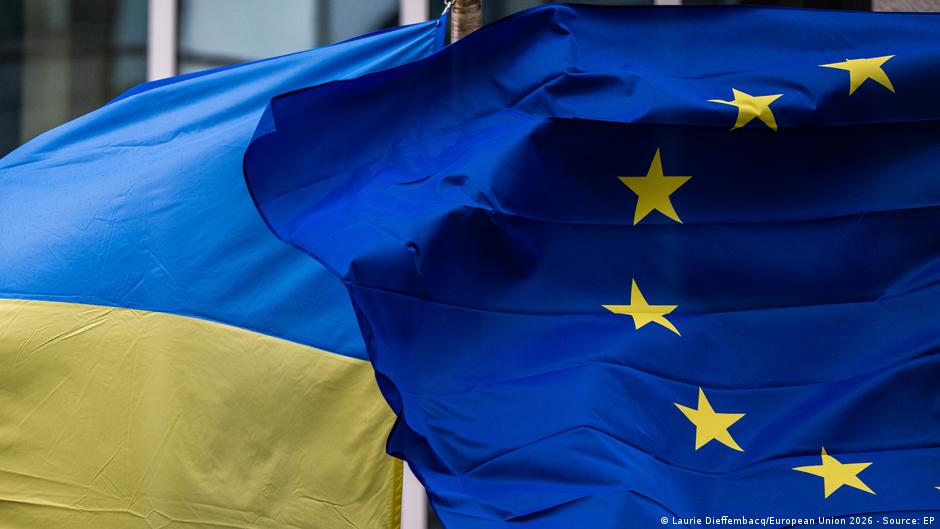
The EU pledges sustained support for Ukraine, emphasizing sanctions on Russia and prospects for Ukraine's EU integration, with implications for fintech and digital economy sectors.

Russia has established a covert aviation network to supply its military in Africa, bypassing Western sanctions via complex logistics involving military and private carriers.

Latvia has published a list of 170 companies maintaining trade with Russia and Belarus despite the Ukraine war, impacting transparency and digital economy sectors.

President Trump announced sweeping economic sanctions against Iran, threatening countries that do business with Tehran, impacting global trade, fintech, and digital payments.

US-Iran conflict over the Strait of Hormuz threatens oil trade routes and digital payment systems, with Oman caught in diplomatic crossfire amid escalating military tensions.

President Trump plans to declare the Strait of Hormuz U.S. territory, affecting global energy security and digital financial markets amid ongoing U.S.-Iran tensions.

Ukraine sanctions 13 ships and 28 companies over illegal grain exports from Russian-occupied territories, highlighting fintech's role in trade enforcement.

Venezuela freed 131 political prisoners and agreed on judicial reforms after reconciliation talks, potentially impacting the country's fintech and digital economy sectors.

Russian-linked hacker group Cl0p claims to have breached data from nearly 50 global companies, raising concerns about cybersecurity in fintech and digital banking.

Reported executions of Ukrainian POWs highlight the critical role of secure digital evidence and cybersecurity in documenting war crimes and supporting international justice.

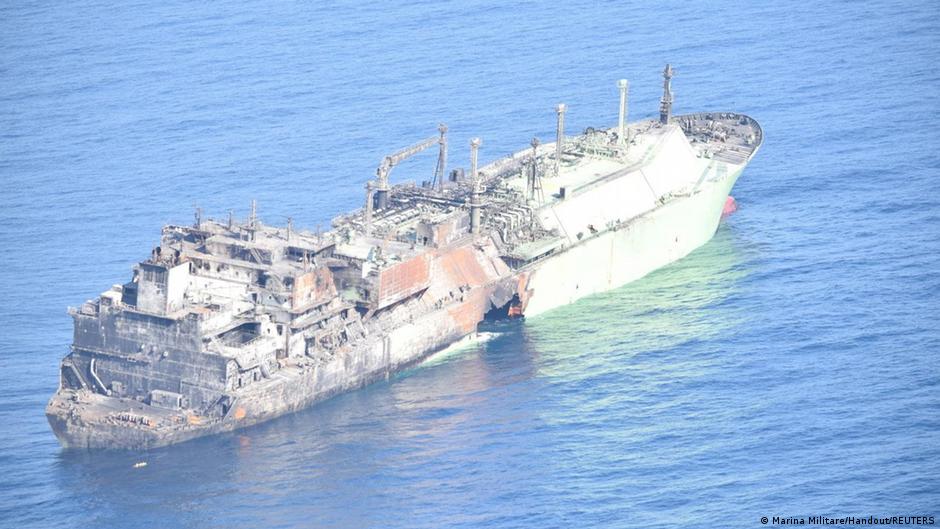
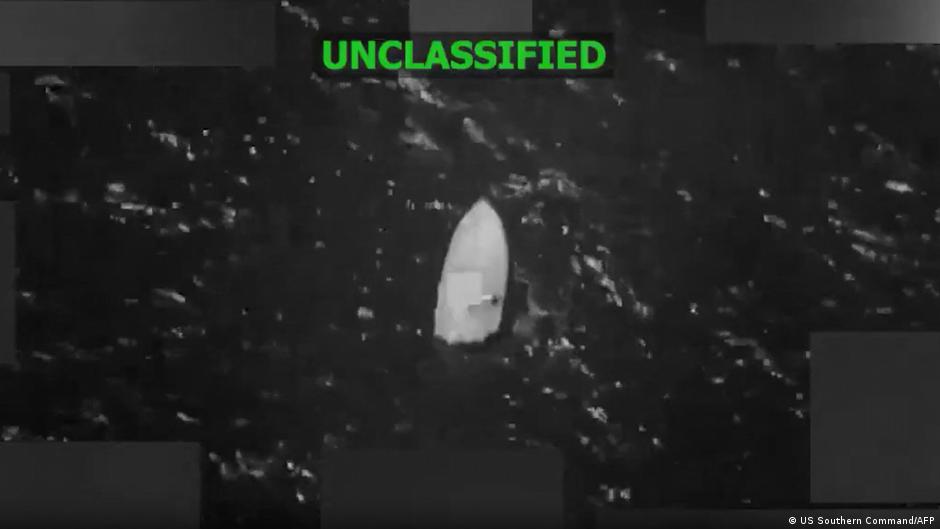
US forces disabled a cargo ship's steering attempting to breach Iran's blockade in the Strait of Hormuz, underscoring US control and geopolitical risks impacting global fintech and trade.

The US Senate approved stringent sanctions targeting Russia's energy and financial sectors, impacting global fintech, compliance, and energy trade dynamics.

Ukrainian and Serbian presidents met in Belgrade to discuss economic ties, energy cooperation, and security, signaling potential fintech and digital economy collaboration.

Major Russian banks face global browser access issues as foreign certification authorities revoke security certificates, pushing reliance on domestic browsers and raising cybersecurity concerns.

Russia moves its anti-submarine ship Admiral Levchenko to the Baltic Sea to secure shadow fleet operations, impacting maritime security and fintech risk management.

US-Iran talks resume August 3 with postponed strikes, impacting fintech, digital banking, and cybersecurity amid ongoing regional tensions.

The US Senate advances a bill imposing heavy tariffs on Russia, with broad implications for fintech, digital banking, and sanctions compliance.

President Zelensky visits Washington where the US Senate will vote on new sanctions against Russia, underscoring rising geopolitical tensions impacting fintech and global payments.

Ukraine's president warns Russia plans expanded mobilization with 30,000 North Korean troops and missile support, raising regional security and fintech risk concerns.

The EU has summoned the Russian envoy after missile strikes on a Kyiv arms exhibition and Latvian consulate, highlighting growing concerns over drone warfare and digital defense technologies.

Russia’s July oil and gas revenues could rise 60% year-on-year due to global price increases, despite sanctions aiming to limit its energy export earnings.

The US lifts sanctions on Miami-based Bel-Kap-Steel, linked to Belarusian steel giant BMZ, amid significant releases of political prisoners and broader easing of penalties.

The US begins delivering a $100 million humanitarian aid package to Cuba amid sanctions and military tension, impacting digital payments and financial sectors.

US plans to allow Saudi Arabia uranium enrichment without strict IAEA oversight raise nuclear proliferation risks and impact fintech, cybersecurity, and tech investments.

US military strikes on Iran escalate tensions, impacting maritime security, digital payments, and fintech sectors amid enforced maritime blockades and retaliatory attacks.

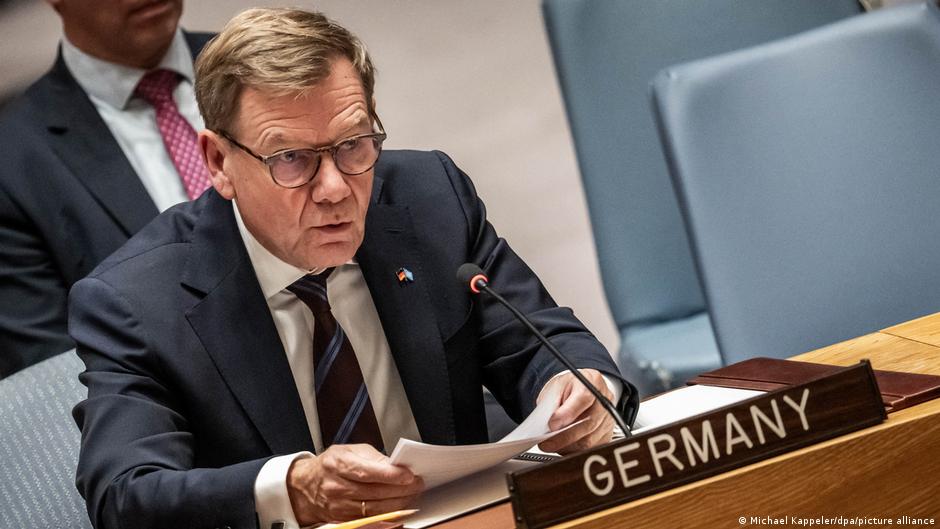
Germany defends the International Criminal Court as the U.S. escalates diplomatic and legal actions against the tribunal over investigations into American personnel.

Darlin Graham Norton was appointed to fill her late brother Lindsey Graham’s Senate seat, securing a fragile Republican majority and influencing fintech and digital economy policies.

US military strikes near the Strait of Hormuz aim to prevent Iranian attacks on commercial shipping, affecting global oil trade and digital economy security.

The EU recommends cutting €2 million funding to the Venice Biennale due to Russia's participation amid sanctions concerns, highlighting challenges at the intersection of culture, politics, and finance.

US military strikes on Iran escalate tensions, closing the Strait of Hormuz and disrupting global oil flows with significant implications for fintech, digital payments, and cybersecurity.

Russian missile strikes on Kyiv damage critical infrastructure, raising concerns over fintech resilience, cybersecurity, and economic stability amid ongoing conflict.

Russia has closed the Azov-Don Canal after Ukrainian drone strikes on vessels, disrupting grain exports and raising concerns for fintech and digital trade sectors.

The death of Iran’s Supreme Leader Ali Khamenei and subsequent regional tensions pose risks to digital banking, payments, and cybersecurity in the Middle East’s fintech sector.

US military strikes on Iran target maritime infrastructure in the Strait of Hormuz, raising risks for global trade, energy markets, and fintech payment ecosystems amid escalating tensions.

The US plans to remove Syria from the terrorism sponsorship list, opening doors for investment and digital economic integration amid new diplomatic ties.

US military strikes on Iran retaliate against tanker attacks in the Strait of Hormuz, raising risks for maritime trade, energy markets, and digital financial ecosystems.

Cuba's nationwide blackout amid U.S. fuel sanctions intensifies energy crisis, complicating economic reforms and threatening digital economy and fintech development.

Two German brothers admitted to violating EU sanctions by sending machinery parts to Russia via shell companies in Kyrgyzstan and Turkey, avoiding detection through complex supply chains.

The US has once again extended a 30-day license allowing Serbian oil company NIS, controlled by Gazprom, to operate under sanctions while the sale of Gazprom’s stake faces delays.

The Communist Party of Austria wins Graz municipal elections, emphasizing housing policy and moderate governance, highlighting local political trends impacting urban fintech and digital economy sectors.

France and Italy question the EU's proposed ban on Russian combatants' entry, fearing it may extend to all Russian nationals, complicating fintech compliance amid sanctions.

Former President Trump praised Zelensky's resilience in the Russia-Ukraine war and criticized European diplomatic stances, highlighting potential impacts on global fintech and economic stability.

The US Senate approved a resolution urging troop withdrawal from Iran conflict zones amid peace talks, highlighting potential impacts on sanctions, digital payments, and fintech sectors.

Russia’s maritime oil exports hit a record high since early 2026 amid US sanctions easing for Iran, pressuring global prices and intensifying competition on markets like India.
The US has imposed new sanctions on five Cuban state firms controlling 40% of GDP, intensifying economic and legal pressures amid tense bilateral relations.

Far-right businessman Abelardo de la Espriella wins Colombia's presidency, promising economic deregulation and enhanced security cooperation with the U.S.

The US and Iran agreed on a communication channel to prevent incidents in the Strait of Hormuz, aiming to finalize broader agreements within 60 days, impacting regional security and fintech sectors.

The US may impose fees on ships passing through the Strait of Hormuz amid Iran deal uncertainty, affecting energy trade and digital payment systems in a key maritime corridor.