Drone Attack Near Moscow Disrupts Air Travel and Raises Operational Risks
Russian officials said air defenses destroyed more than 100 drones headed toward Moscow as airport restrictions rippled across transport networks.
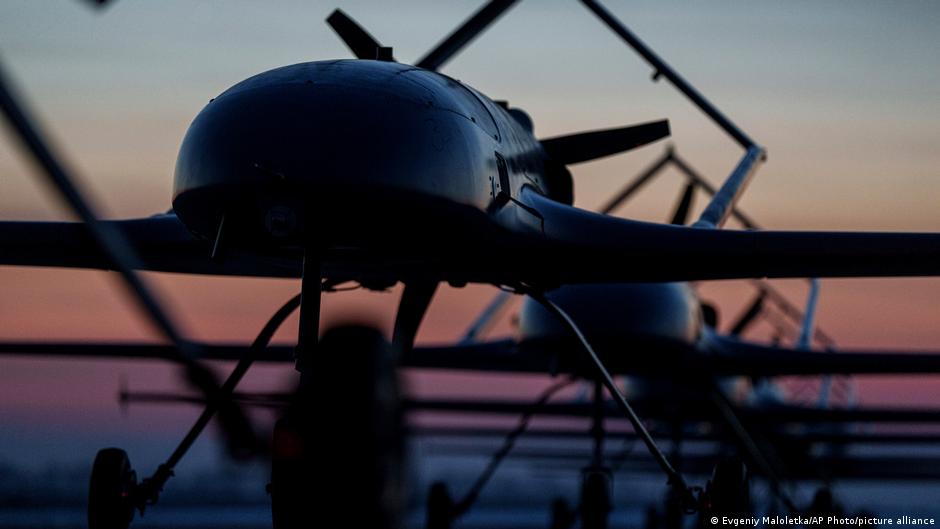
Russian air defenses destroyed more than 100 unmanned aerial vehicles heading toward Moscow overnight into Wednesday, October 14, according to Telegram posts by Moscow Mayor Sergei Sobyanin, in an incident that underscored how wartime security shocks can disrupt major transport, business and digital-economy infrastructure.
Sobyanin did not specify in which districts of the Moscow region the drones were destroyed, nor did he identify what their potential targets may have been. But the scale of the reported attack was large enough to trigger temporary flight restrictions across Moscow’s main airports, affecting aircraft movements at Vnukovo, Domodedovo, Sheremetyevo and Zhukovsky, according to notices published by the Telegram channel “Govorit Rosaviatsiya.”
For the fintech and digital economy sectors, the immediate issue was not only the aviation disruption itself, but the broader operational risk created when air corridors, regional hubs and industrial zones are placed under emergency restrictions. Payment companies, banks, cybersecurity teams and technology firms rely on stable transport and communications networks for staff movement, hardware logistics, data center maintenance, cash distribution and incident-response coordination. The attack did not directly name financial infrastructure as a target, but it added to a pattern of pressure on systems that support both physical and digital commerce.
According to the Russian state news agency TASS, more than 30 aircraft flying to Moscow were redirected to other cities. The agency reported that 19 aircraft bound for Vnukovo instead landed in Nizhny Novgorod, St. Petersburg, Minsk, Pskov and Istanbul. The Telegram channel “Ostorozhno, Novosti,” associated with journalist Ksenia Sobchak, separately wrote that, citing data from St. Petersburg’s Pulkovo airport, 20 aircraft headed for Moscow were diverted there because of the restrictions.
Russian officials said more than 100 drones headed toward Moscow were destroyed overnight, while airport restrictions forced airlines to redirect flights across several cities.
The disruptions extended beyond the Moscow aviation hub. According to “Govorit Rosaviatsiya,” restrictions during the night of October 14 were also introduced at airports in Volgograd, Nizhny Novgorod, Samara, Penza, Saratov and Yaroslavl. The airline Pobeda also reported schedule adjustments because of prolonged restrictions at airports in the Moscow aviation hub and the Volga region, “Ostorozhno, Novosti” noted.
Digital Economy Exposure
The aviation restrictions highlight an often-overlooked exposure for the digital economy: fintech and banking operations may be digital at the customer interface, but they still depend on physical resilience. Regional flight delays can affect executive travel, specialist engineering teams, vendor support, courier routes, replacement equipment and business continuity operations. For banks and payment processors, even indirect disruption can complicate routine service delivery when multiple cities face restrictions simultaneously.
In practical terms, a large-scale security incident around Moscow can place additional pressure on operational-risk departments and cybersecurity teams. Banks, payment networks and digital platforms must distinguish between routine outages, state-imposed restrictions, infrastructure congestion and potential hostile activity. The source reports did not state that payment systems, banks, crypto exchanges or data centers were attacked. However, the incident is relevant to those sectors because it shows how quickly a security event can affect mobility across a major economic center and several regional transport nodes.
For technology stocks and investors exposed to Russian or regionally connected infrastructure, the episode adds another data point in assessing geopolitical and operational risk. Companies with logistics-heavy business models, cloud maintenance dependencies, airport retail exposure, online travel services, ticketing platforms or digital banking operations linked to affected regions may face secondary effects when air travel is interrupted. The source article did not report any market reaction, and no share-price moves were cited, but the operational backdrop remains material for risk analysis.
The crypto sector also sits within this broader risk map. While there was no claim that crypto infrastructure was affected, digital-asset businesses are sensitive to cybersecurity alerts, connectivity disruptions and regulatory responses during periods of heightened security. In markets where users turn to digital channels during transport interruptions or regional emergencies, platforms must maintain fraud controls, sanctions compliance and service availability under stress.
Fatality Reported in Saratov Region
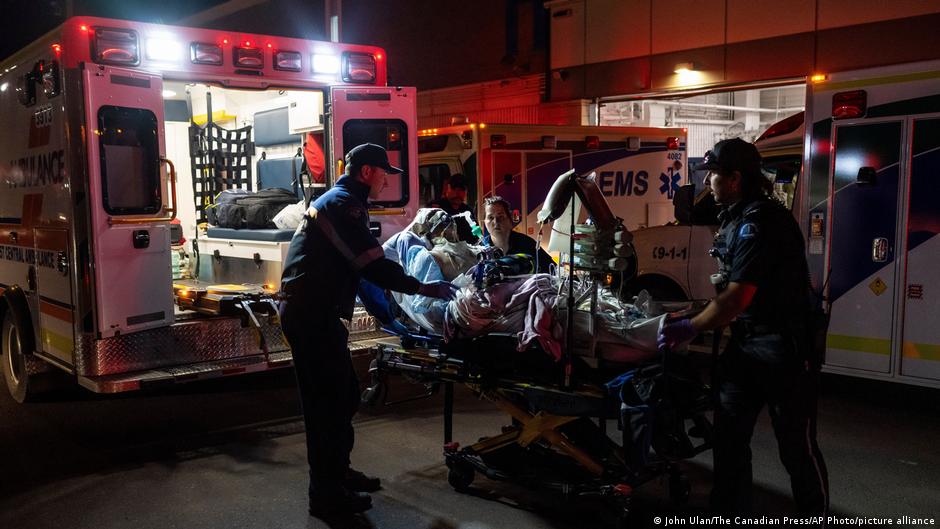
Beyond the Moscow-area disruption, officials in the Saratov region reported at least one death following a drone attack. Saratov Governor Roman Busargin said several residential buildings in the city of Balakovo were damaged.
“As a result of the UAV attack, several residential buildings in the city of Balakovo were damaged. Preliminary information: one person was killed. All emergency services are working at the scene,” Busargin wrote in a Telegram post, according to the source article.
The report of a fatality shifts the incident from an operational disruption to a human tragedy as well as a security event. It also adds pressure on regional authorities, emergency services and communications systems. During such incidents, local residents often depend on digital banking, mobile connectivity and online public-service channels to arrange transport, communicate with relatives, access funds or receive official updates.
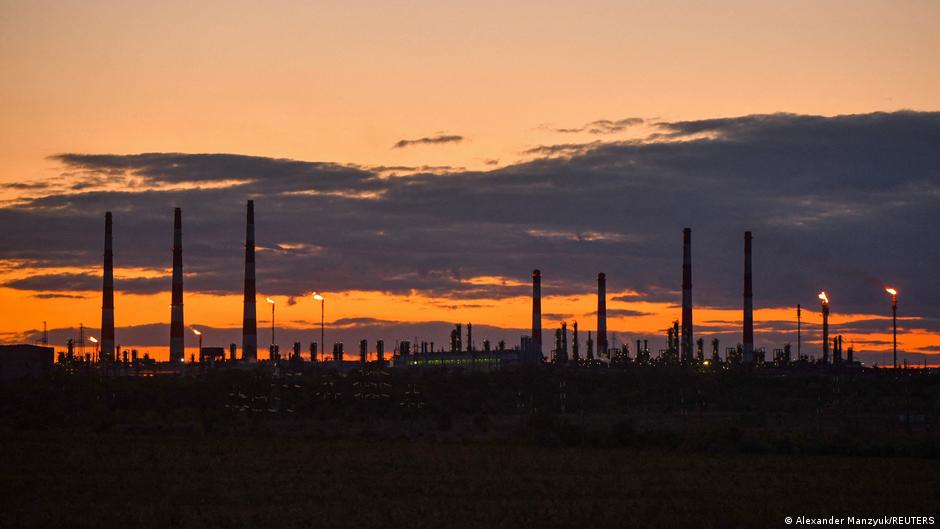
Separately, Vladimir Vladimirov, the head of Stavropol Krai, said air defense forces had repelled a drone raid aimed toward the industrial zone of the city of Nevinnomyssk. He did not specify which industrial facilities may have been targeted. The lack of detail leaves uncertainty over whether any energy, manufacturing, logistics or technology-linked assets were at risk.
For financial institutions and digital platforms, that uncertainty matters. Industrial zones can contain suppliers, utilities, warehouses, network equipment or production sites that feed into broader commercial systems. Even when a specific financial target is not identified, disruption to industrial and transport infrastructure can create downstream risks for merchants, insurers, lenders and payment providers.
The incident therefore reinforces a central challenge for the digital economy in conflict-exposed regions: digital services are only as resilient as the physical infrastructure, transport routes and emergency systems that surround them. The reported destruction of more than 100 drones near Moscow, the temporary restrictions at multiple airports, the diversion of dozens of aircraft and the fatality reported in Balakovo together point to a risk environment in which finance, technology and cybersecurity planning cannot be separated from broader infrastructure security.