Business
Kyiv Missile Strike Kills One, Damages Metro Infrastructure
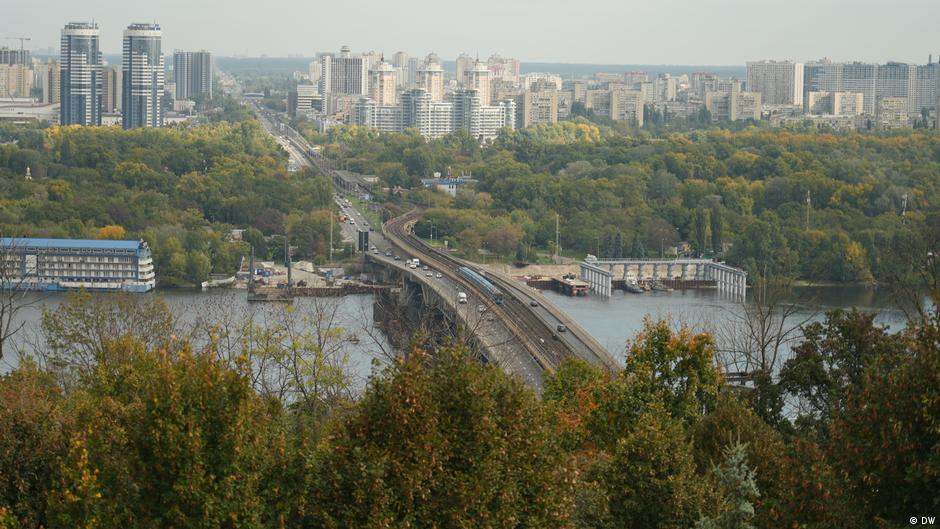
A Russian ballistic missile strike killed a 21-year-old woman, injured three people and damaged buildings and metro infrastructure across Kyiv.
Editorial Team · Oct 19, 2026
A Russian ballistic missile strike killed a 21-year-old woman, injured three people and damaged buildings and metro infrastructure across Kyiv.

Four Canadian soldiers were killed and dozens injured after strong winds drove a wildfire toward troops exercising at Base Wainwright in Alberta.
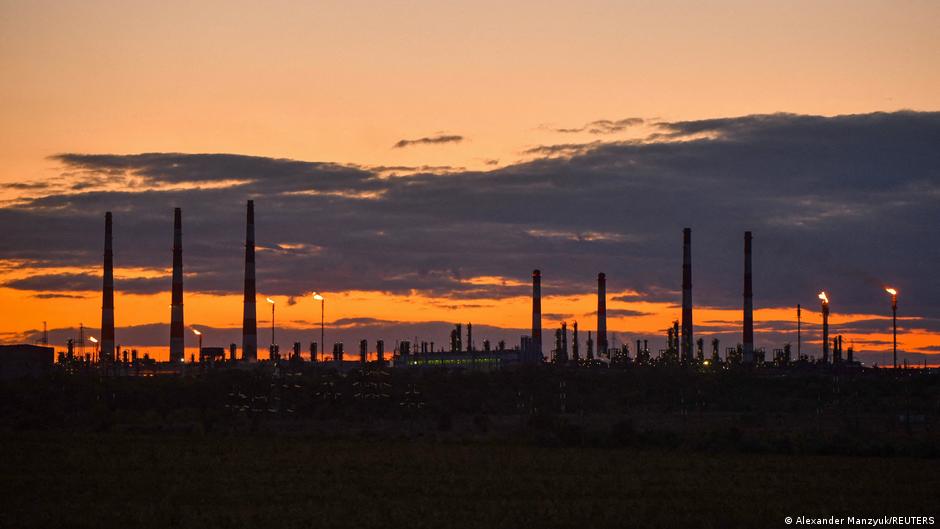
A reported US plan to restore Russian gas flows to Europe could reshape cross-border payments, sanctions compliance and the outlook for digital finance and tech stocks.
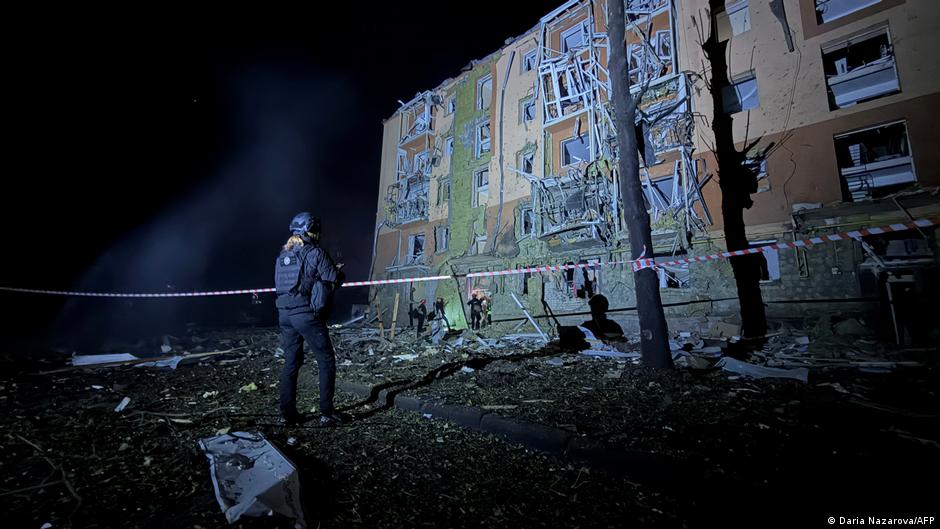
Russian strikes killed two people, disrupted electricity supplies and halted an automotive wiring plant, increasing risks for Ukraine’s digital economy.
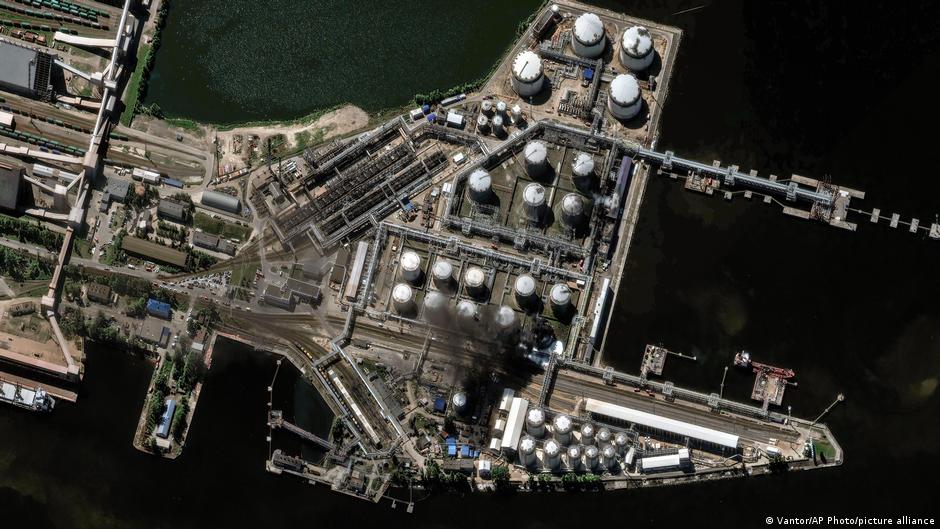
Drone strikes hit an oil terminal and a VK data center near St Petersburg, exposing risks to connectivity, digital payments and technology infrastructure.

Russia designated two StopTime musicians as foreign agents, highlighting regulatory risks for creators relying on social platforms and digital services.

Five drone incursions in one day highlight physical, operational and cybersecurity risks for Moldova’s banks, payment networks and digital economy.

Power and water disruptions in Kyiv and Volyn highlight the physical infrastructure risks facing Ukraine’s payments, banking, crypto and technology sectors.
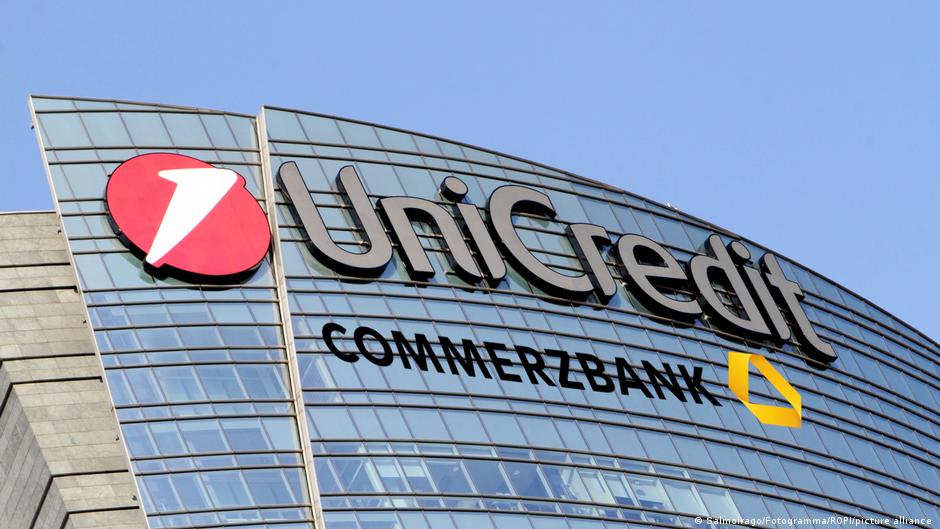
ECB approval allows UniCredit to expand its Commerzbank stake, opening a path to control with implications for payments, digital banking and cybersecurity.
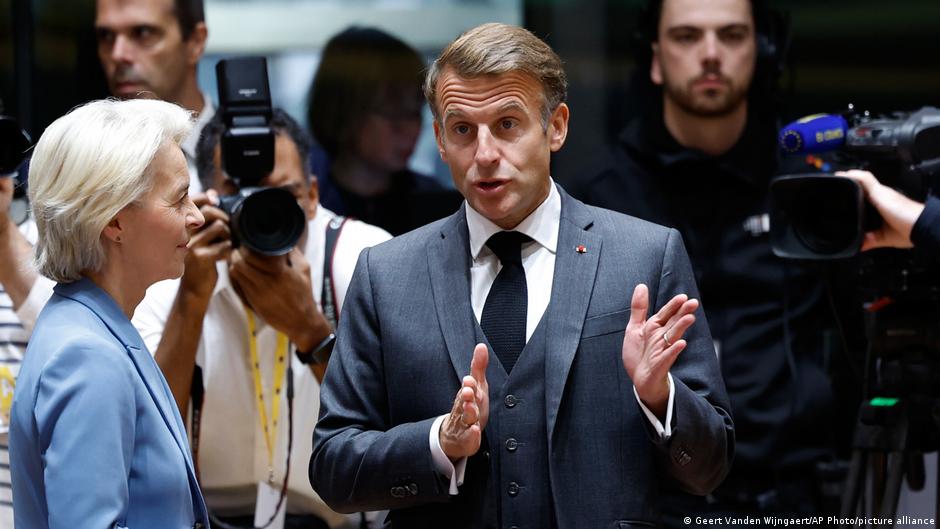
EU leaders failed to agree on a seven-year budget as proposed cuts to research and new levies on digital services and cryptoassets divided member states.

Russian officials reported more than 100 drones destroyed near Moscow as airport restrictions disrupted flights and raised wider operational risks.
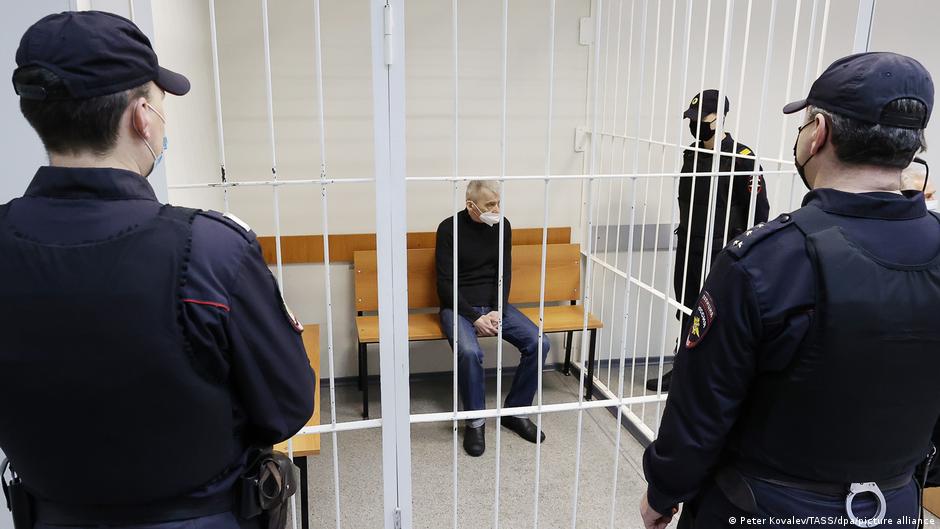
Yuri Dmitriev was returned to a Russian penal colony without a diagnosis after suspected stroke symptoms, raising wider rule-of-law concerns.

Finland’s Elina Valtonen urges an EU-wide halt to Russian tourist visas, adding pressure to Europe’s sanctions and compliance agenda.
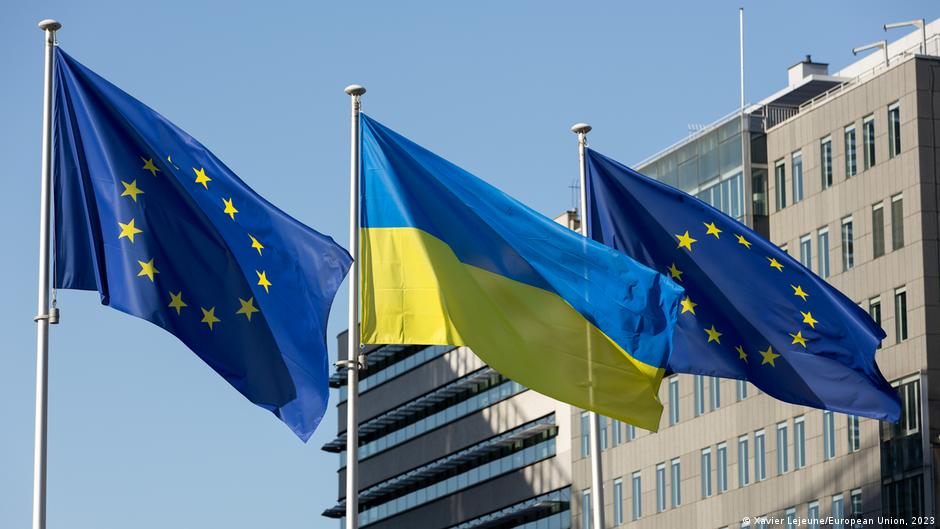
EU states agreed to open internal-market and competitiveness accession clusters for Ukraine and Moldova, advancing reforms tied to digital economy rules.
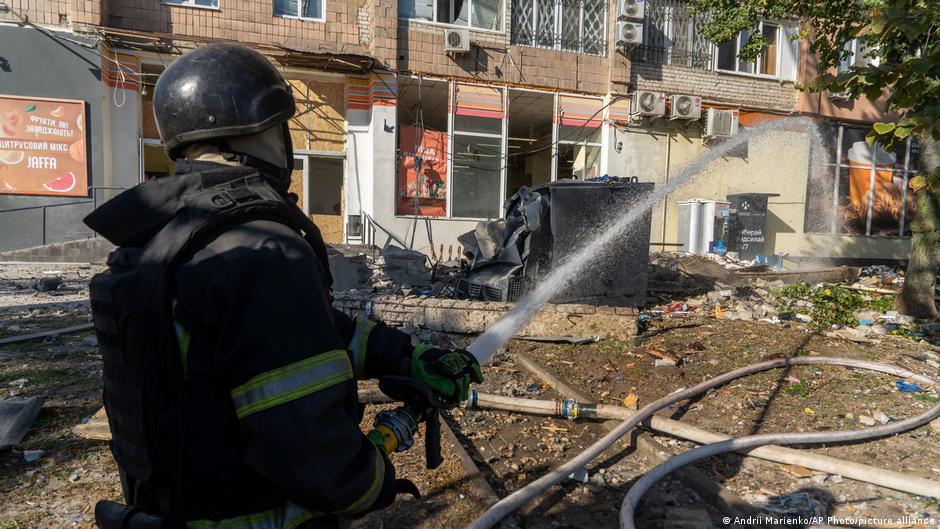
Trump said Putin is more interested than Zelensky in a Ukraine peace deal as Kyiv urged U.S. pressure over an energy ceasefire.
Reported U.S. pressure on Ukraine over refinery strikes raises questions for energy markets, payments compliance, crypto risk and tech stocks.
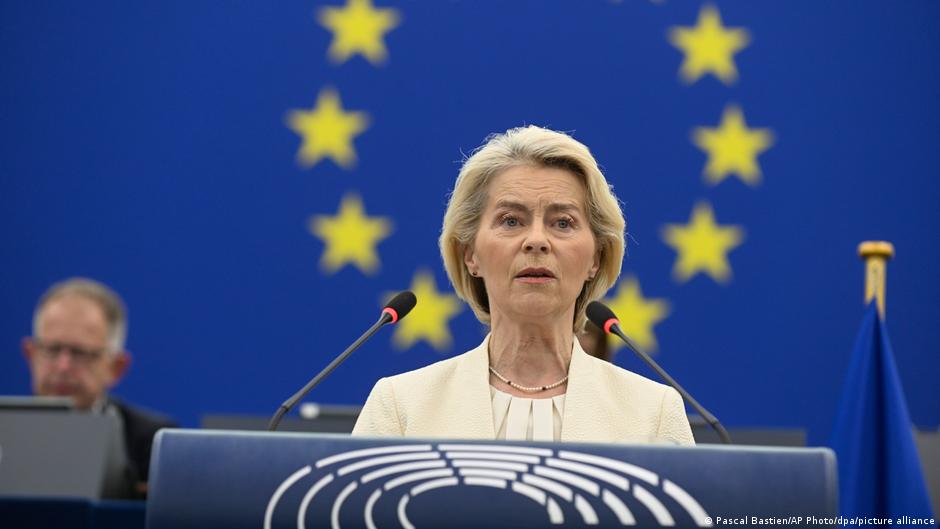
The EU plans additional funding for Ukraine drones and missiles as leaders prepare to discuss Kyiv's 2027 financing needs and support mechanisms.

Germany’s long-term welfare data intensify debate over public spending, labor rules and the digital systems behind benefits and payments.
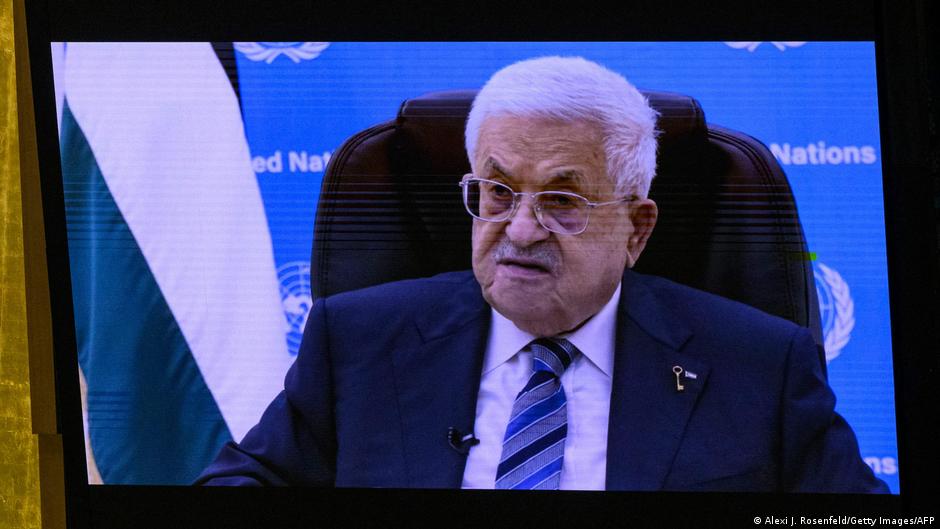
Abbas delayed Palestinian elections to September 2027, extending governance uncertainty for Gaza’s payments, banking and digital economy outlook.

A U.S. strike disabled a Panama-flagged cargo vessel near Iran, adding pressure to energy markets, trade finance and digital risk systems.
A bipartisan House bill would seek to ban Russian oil purchases, raising compliance questions for payments, banking and digital finance firms.

British counterterrorism police detained two Latvian nationals after a breach at RAF Molesworth, a NATO and US intelligence site.
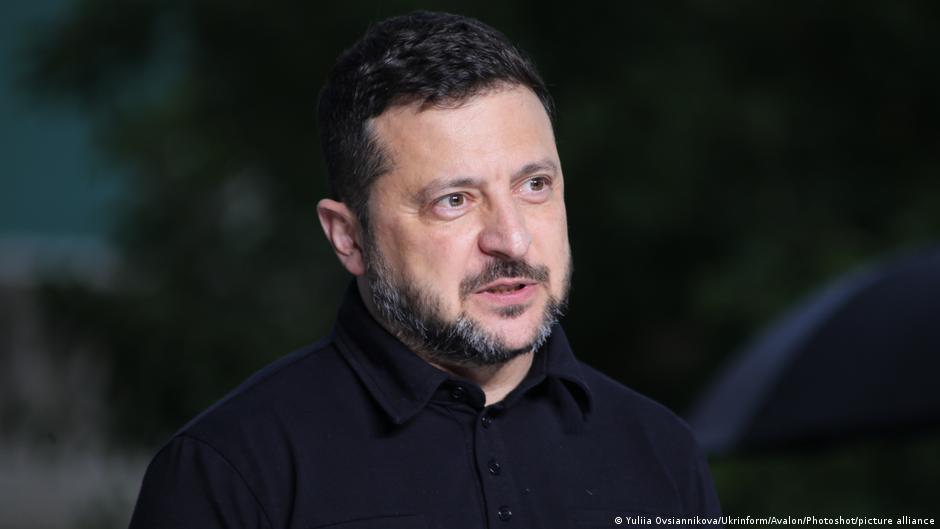
Ukraine will meet Trump envoys on a new war plan as sanctions, Starlink access and data center strikes put digital infrastructure in focus.
Kyiv Mayor Vitaliy Klitschko warned residents to consider temporary relocation as Russian strikes threaten water, energy and communications systems.
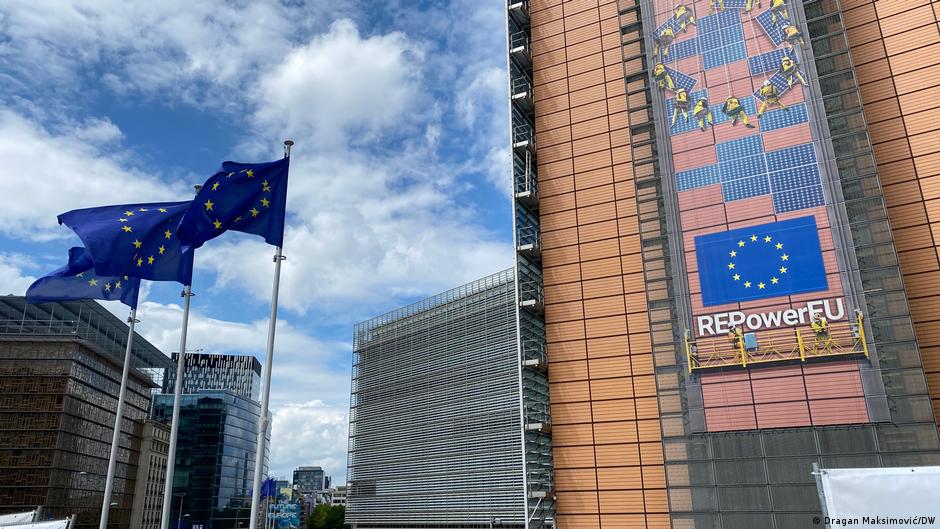
The European Parliament approved a €115 million Agile programme to fund SMEs, startups and scaleups developing disruptive defence technologies.
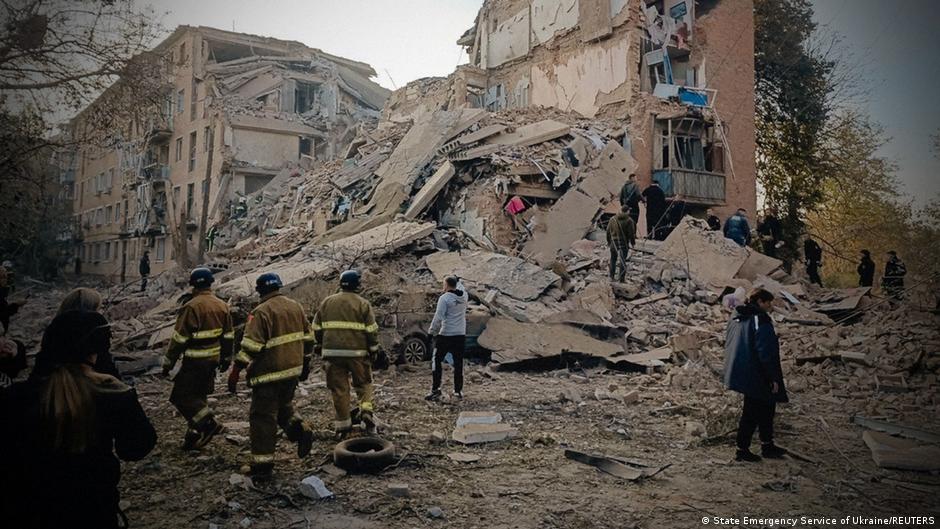
Ukraine said 28 people were killed in a Russian missile and drone barrage, raising fresh concerns over sanctions, payments and digital resilience.
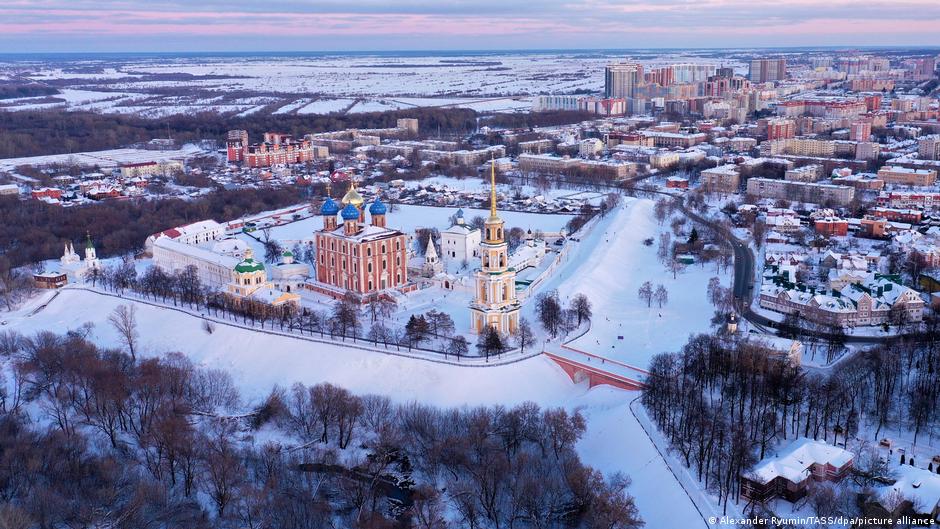
Astra reported a fire at the Sasta plant in Russia’s Ryazan region, a site it says also hosts a Yandex DC data center.

A tanker fire off Sochi raises new compliance and market-risk questions around Black Sea oil flows, sanctions screening and shadow-fleet exposure.
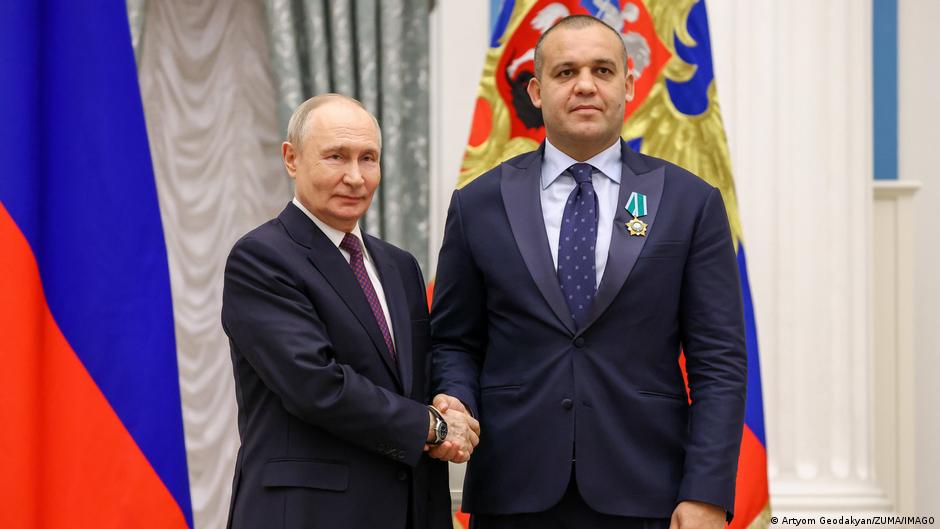
Umar Kremlev says Donald Trump Jr. reimbursed him for wedding event costs, as Democrats weigh scrutiny of foreign-linked payments.
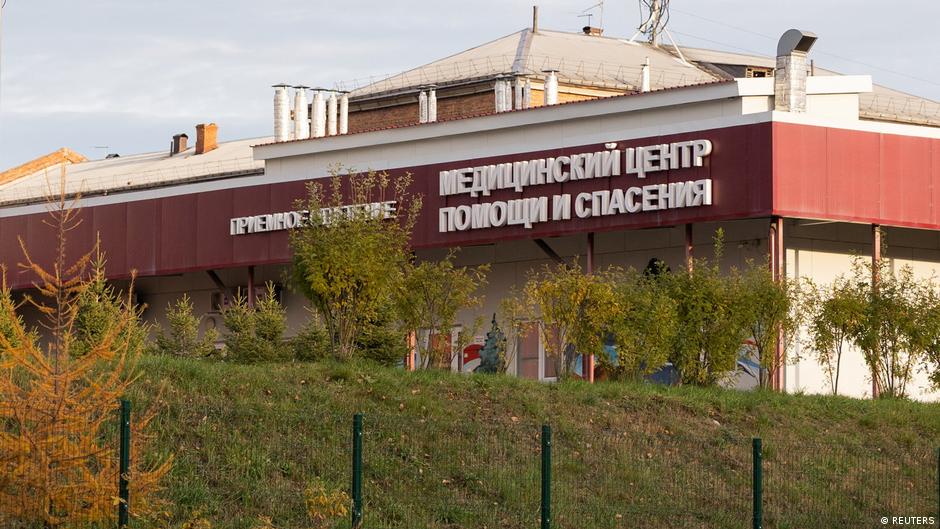
Trump plans a Putin call as the WHO asks Russia for more details on reports from Irkutsk, raising wider risk questions for markets and digital infrastructure.

Yemen’s new offensive near Mocha raises risks for Red Sea shipping, energy markets, payments and digital finance across the region.

Germany received over 12,000 military service refusal statements in eight months as recruitment reform tests digital administration and defense capacity.

Trump said the U.S. is monitoring reports from Irkutsk, as quarantine reports and border precautions raise digital-economy risk questions.

Ruling-party candidates and Dodik allies won key Bosnia votes, signaling continuity for investors tracking fintech, banking and policy risk.
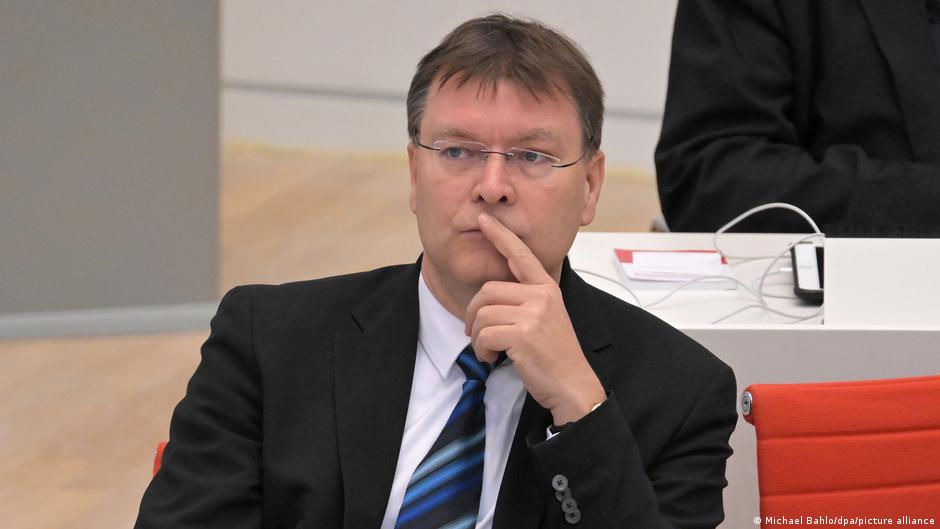
BSW lawmaker Sven Hornauf plans Belarus and Russia trips to revive sister-city ties, raising wider questions for compliance and security.

Flavio Bolsonaro led Brazil’s first presidential round with 47.03%, setting up an Oct. 25 runoff with Lula and raising market scrutiny.

Germany’s economy minister says the Left Party’s Berlin win could hurt investor confidence and Germany’s appeal as a business location.
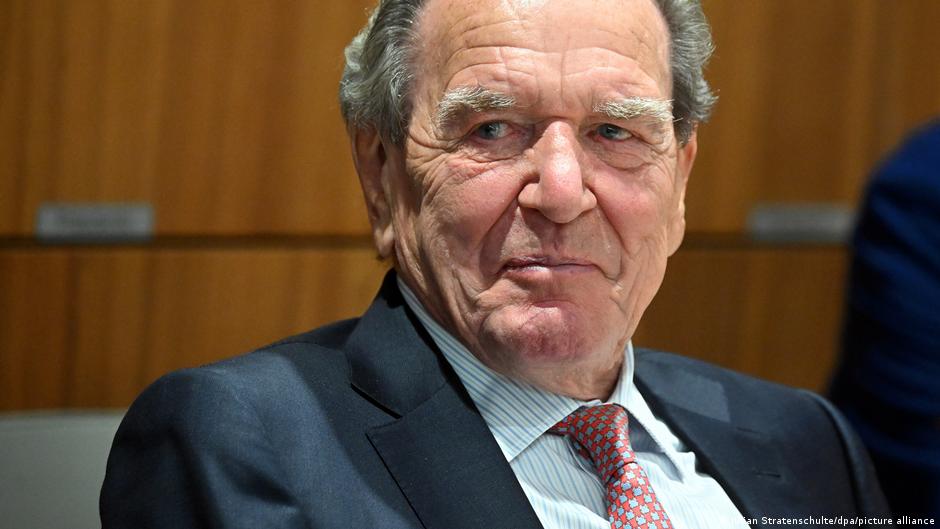
Gerhard Schroeder’s new role at Russia’s Hyperglobus draws German criticism and renews scrutiny of Russia-linked corporate risk.

Foreign retailers in Russia face temporary management of assets, raising risks for payments, digital banking, cybersecurity and corporate control.

Western embassies are weighing Kyiv relocation plans as Russian strikes hit energy infrastructure and data centers, raising risks for Ukraine’s digital economy.

Maria Kolesnikova urges the EU to use diplomacy and sanctions to free Belarusian political prisoners and limit Russia’s influence.
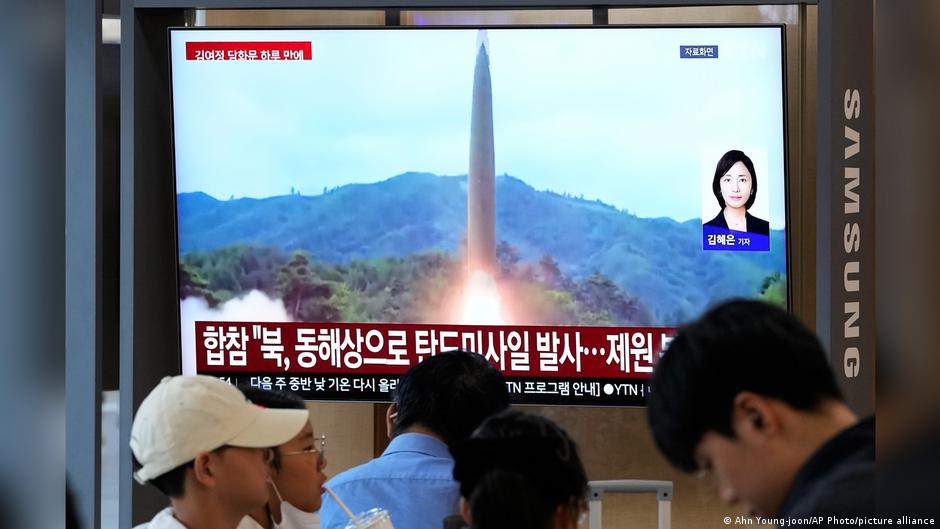
South Korea said North Korea fired at least one ballistic missile, adding a fresh geopolitical risk signal for fintech and tech markets.
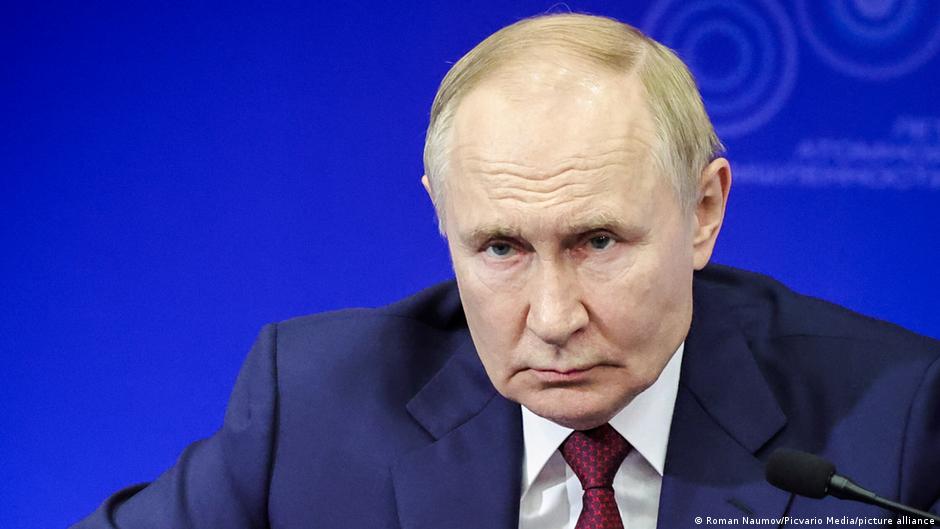
Putin’s Valdai remarks renewed nuclear warnings and Western blame, adding geopolitical pressure on payments, crypto, cybersecurity and tech markets.
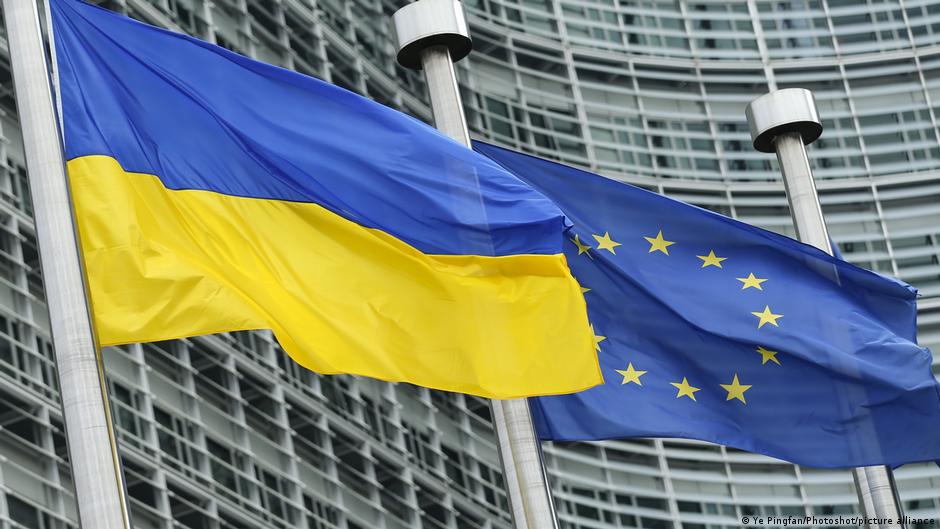
The EU rejected Ukraine’s request to fast-track part of a €90 billion loan, keeping pressure on wartime financing and digital finance stability.

Seoul’s warning to Kyiv over North Korean prisoners adds diplomatic risk to future tech, cyber and reconstruction finance cooperation.

Russian attacks damaged sites in Kyiv, Odesa and Sumy, while Ukrenergo announced power limits affecting businesses and consumers.

Flydubai halted Israel flights after an alleged cockpit attack forced a Dubai-Tel Aviv service to land in Saudi Arabia.
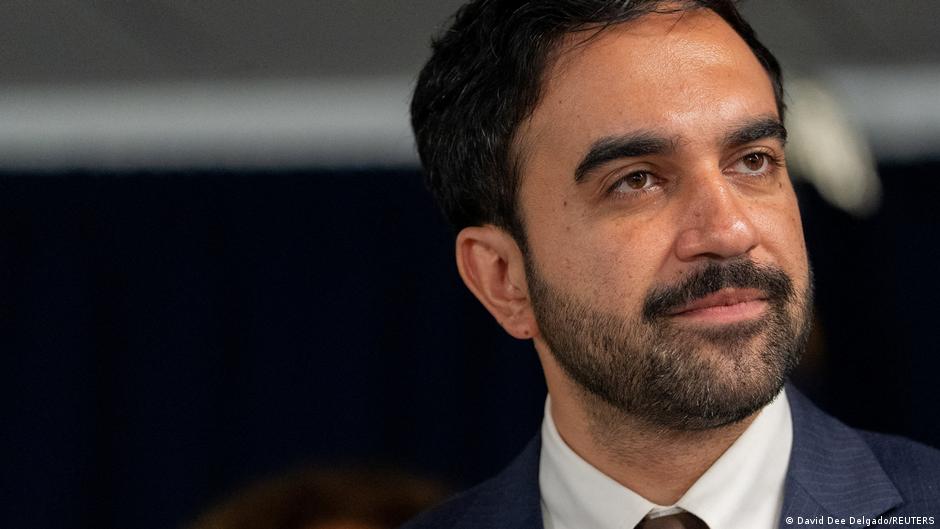
New York Mayor Zohran Mamdani proposed raising hate-crime funding to $29 million, with added synagogue security and Jewish cultural support.
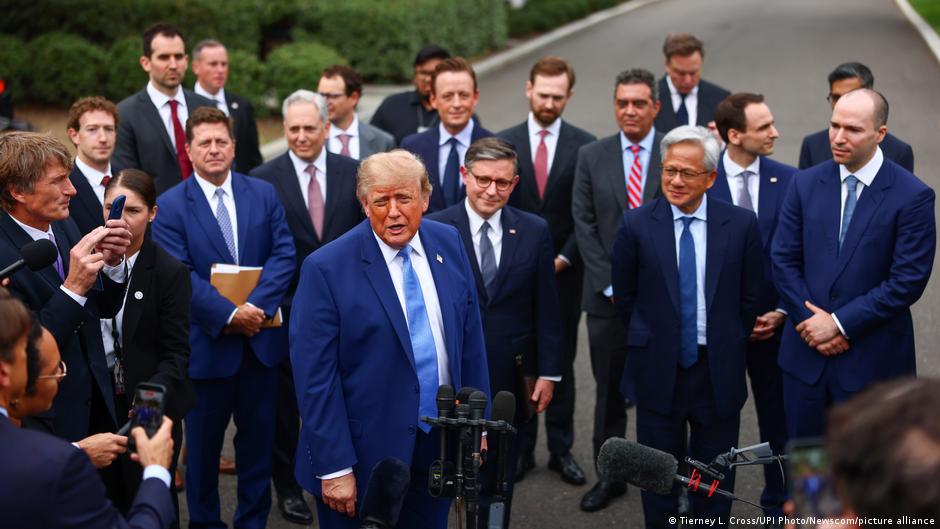
Major AI developers signed a nonbinding Trump agreement on safety oversight, with implications for fintech, payments and cybersecurity risk.

Dutch police detained a 24-year-old Amsterdam man in a ShinyHunters probe, spotlighting cyber risk for fintech, telecom and tech firms.