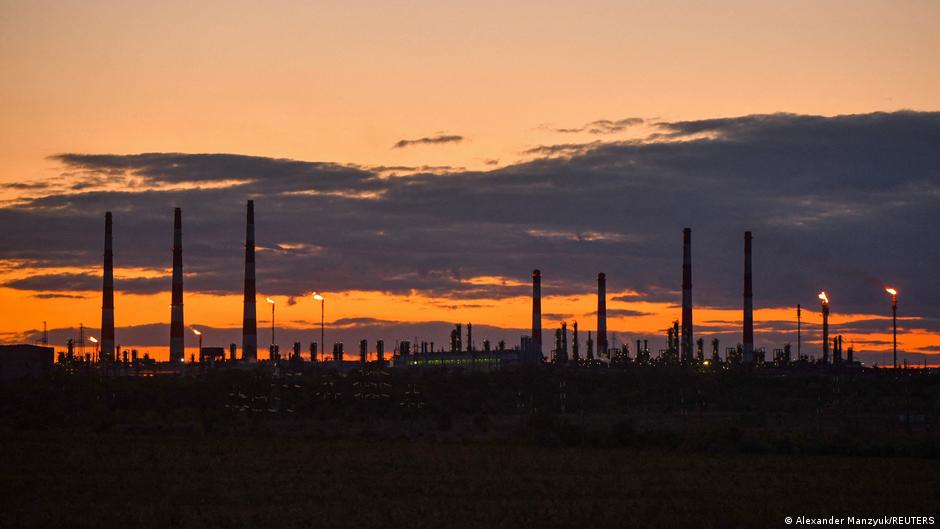
Drone Attack Hits St Petersburg Oil Terminal and VK Data Center
Power and mobile internet disruptions raised operational risks for digital services, payments and communications across the region.
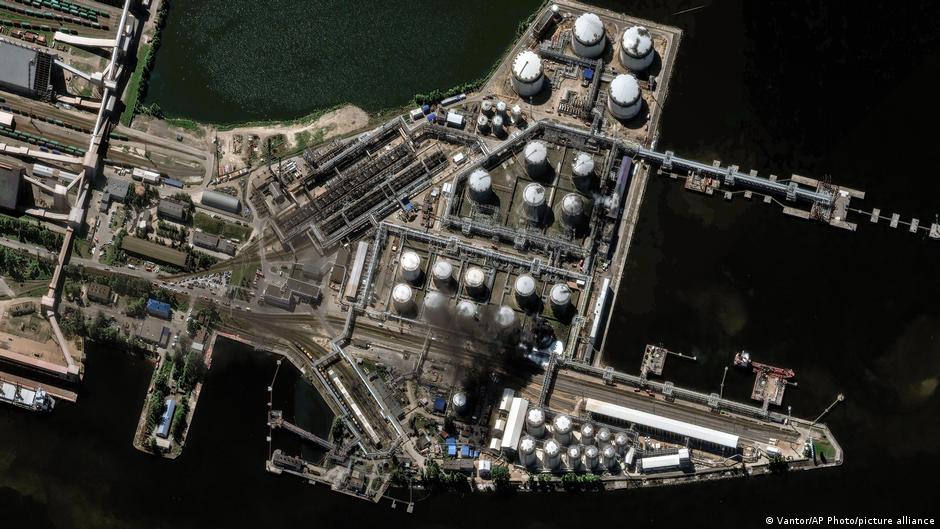
St Petersburg and the surrounding Leningrad region came under a large-scale drone attack overnight into Sunday, October 18, damaging energy and technology infrastructure and disrupting transport, electricity and connectivity. A fire broke out at the St Petersburg Oil Terminal, while a data center operated by Russian technology company VK was also targeted.
The incident highlights the vulnerability of infrastructure underpinning the digital economy. Although no interruption to financial services was reported, localized power failures and warnings of possible mobile internet outages created potential risks for digital payments, online banking, authentication systems and other services that depend on reliable electricity and telecommunications.
St Petersburg Governor Alexander Beglov said emergency crews were responding to fires at civilian infrastructure facilities in the city’s Nevsky, Krasnoselsky, Krasnogvardeysky and Moskovsky districts, as well as at the oil terminal. Operations at Pulkovo Airport were restricted for safety reasons.
“There are no casualties. Mobile internet disruptions are possible,” Beglov wrote on Telegram.
The restrictions and connectivity warning could affect businesses that rely on mobile applications, cloud platforms and real-time payment processing. Temporary network instability can prevent consumers from completing app-based transfers or receiving one-time security codes, while merchants may face difficulties authorizing card and QR-code payments. The authorities did not report any systemic outage in the banking or payment infrastructure.
VK Says Services Remain Available
VK representatives confirmed that a drone attack had struck the company’s data center in the Leningrad region. VK owns several widely used digital platforms, including the VKontakte social network and the Max messaging service. The company said its services remained available to users and were operating normally.
However, Russian outage-monitoring websites Sboy.rf and Detector404.ru recorded a surge in user complaints concerning VKontakte. The reports did not establish the scale, duration or direct cause of the problems, but they indicated that some users experienced difficulties despite VK’s statement that its platforms remained operational.
For technology companies and digital banks, the incident underscores the importance of geographically distributed infrastructure, backup power, redundant network connections and rapid failover systems. Data centers support not only consumer internet platforms but also advertising, commerce, identity verification and business communications. Even short disruptions can ripple through connected services without amounting to a complete platform outage.
No evidence was presented that payment data, customer information or other sensitive records were compromised. The reported attack concerned physical infrastructure, and neither VK nor the authorities announced a cybersecurity breach. Still, periods of unstable connectivity can increase exposure to fraud because criminals may exploit confusion with false outage notices, phishing messages or fraudulent requests to restore account access.
Power Failures Add to Digital Economy Risks
Leningrad Region Governor Alexander Drozdenko said 126 drones had been shot down over the region. According to him, debris fell on an apartment building in Vsevolozhsk, a private house near Kirovsk and four vehicles in the village of Nizino.
Drozdenko also reported brief electricity interruptions after debris fell on power lines. Readers of the St Petersburg news outlet Fontanka separately described power problems in several parts of the city, including the Kalininsky and Krasnogvardeysky districts and the Ruchyi area.
Local power losses may have immediate consequences for cashless commerce. Retail terminals, ATMs, mobile base stations and household broadband equipment all require electricity, although banks, telecom operators and data centers commonly maintain backup systems. The available reports did not specify whether any ATMs, bank branches, trading systems or cryptocurrency platforms were affected.
The fire at the oil terminal introduces another potential economic pressure point. Disruption to fuel logistics can raise operating risks for transport and delivery networks that support e-commerce and urban retail. No estimate of damage, interruption to terminal operations or effect on fuel supplies was provided.
Airport and Toll-Road Disruptions
Telegram channels Dnipro Osint, Astra and Varlamov News reported that one drone strike hit the cable-stayed bridge over the Korabelny Fairway. The bridge forms part of the Western High-Speed Diameter, a toll motorway that is important for traffic and commercial transport around St Petersburg.
Authorities did not confirm that the bridge had been attacked. Fontanka reported, however, that the motorway was closed between the Ekateringofka and Shkipersky channels, a section that includes the Korabelny Fairway bridge. There was no official assessment of structural damage in the information provided.
Combined disruption to the airport, toll motorway, electricity supply and mobile connectivity may weigh on local commercial activity even if core digital services continue running. For investors monitoring Russian technology and infrastructure assets, the attack illustrates how physical security incidents can translate into operational risk for platforms, data centers and digitally enabled businesses. No company disclosed a financial impact, and the available statements did not provide a timetable for restoring all affected infrastructure.