Trump Delays Russia Sanctions, Citing Ukraine Talks and Iran
The proposed tariffs could disrupt energy payments, sanctions compliance and global markets tied to Russian oil and diesel exports.
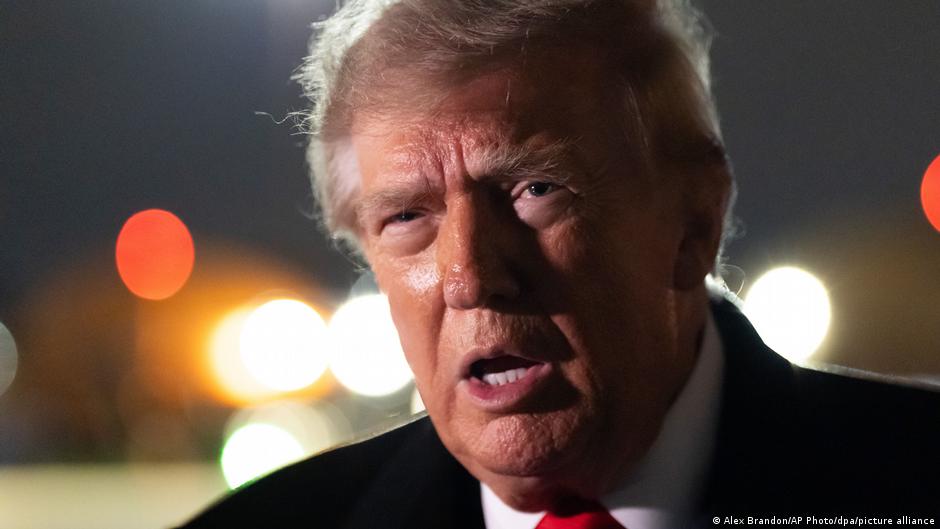
US President Donald Trump said he has postponed imposing what he called “hellish sanctions” on Russia, arguing that immediate action could undermine negotiations over the war in Ukraine and encourage Moscow to provide greater assistance to Iran.
Trump said he would introduce the measures whenever he considered it necessary. He announced the decision in a post on Truth Social on Sunday, October 18, presenting the delay as a way to keep Russia at the negotiating table while preserving US leverage over both Moscow and Tehran.
“My decision on Russia is very simple. I am currently conducting peace negotiations concerning the war between Russia and Ukraine, and I do not want to take any steps that could foolishly drive Russia away from the negotiating table,” Trump wrote.
The president said “significant progress” had been achieved in discussions with Moscow, particularly regarding the release of prisoners. He argued that signing the sanctions legislation at this stage would produce the outcome he was seeking to avoid, while stressing that he retained the option to approve it later.
Trump was referring to a bill associated with the late Senator Lindsey Graham. The proposal would impose additional tariffs of 500% on Russian goods and tariffs of 100% on products from countries ranked among the five largest buyers of Russian oil and gas, as well as countries described as most actively helping Moscow circumvent sanctions.
Payments and compliance systems face potential disruption
For banks, payment companies, cryptocurrency platforms and other financial-technology businesses, the proposed measures would substantially raise the importance of sanctions screening and transaction monitoring. The legislation’s focus extends beyond direct trade with Russia to commercial links involving major purchasers of Russian energy and entities accused of facilitating sanctions evasion.
If implemented, that structure could require digital banks and cross-border payment providers to conduct more extensive checks on customers, counterparties and the economic origin of transactions. Crypto businesses could also face heightened scrutiny where digital assets are used in payment chains connected to Russian trade. The source article does not identify particular companies or digital currencies that would be affected.
The bill required Trump to introduce restrictive measures by October 18 but also allowed him to pause the process when doing so served US national interests. Trump exercised that authority on October 17.
Trump said another important consideration was Russia’s limited assistance to Iran. He claimed Moscow was providing Iran with practically no help, at least compared with what it could provide, and said he wanted that situation to continue. He warned that “foolish people” could interfere with that objective.
Diesel dispute adds pressure to energy-sensitive markets
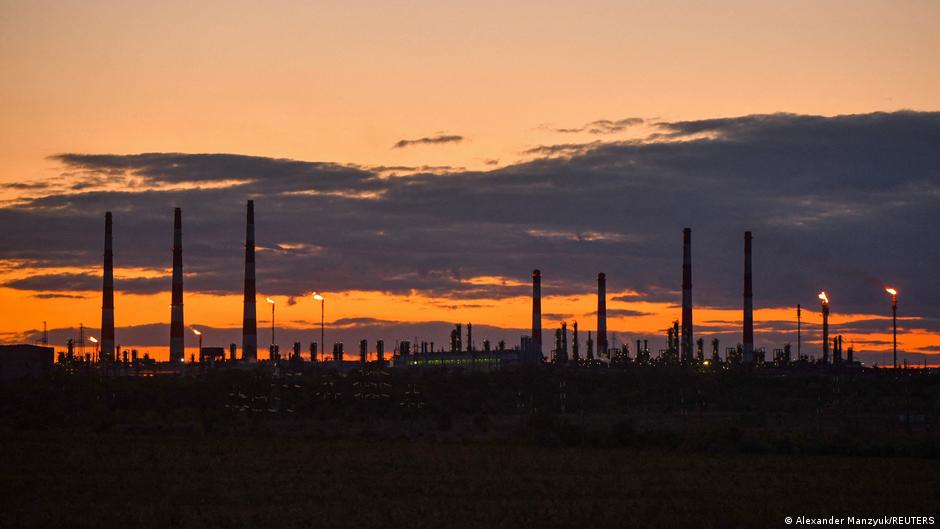
The US president also renewed his criticism of Ukrainian President Volodymyr Zelensky over Ukrainian attacks on Russian oil refineries that produce diesel fuel. Trump said Zelensky understood that the strikes were seriously damaging the global diesel market, including the US market.
According to Trump, farmers, ranchers and businesses across a range of industries were suffering as a result. He said Russia nevertheless continued to supply millions of barrels of low-priced diesel fuel to the global market and accused Zelensky of disregarding the consequences.
The dispute links the sanctions decision to energy costs with broad implications across the digital economy. Fuel prices can affect logistics, data-center operations and the operating expenses of technology businesses, while changes in Russian energy flows can alter the volume and routing of international payments. A future sanctions package of the scale described in the bill could also increase compliance costs for financial institutions processing trade-related transactions.
Technology and fintech investors would therefore have to assess two competing signals from Washington: the near-term decision to delay additional restrictions and the continuing possibility that exceptionally high tariffs could be activated later. Trump’s statement offered no timetable for reconsidering the pause, saying only that he could sign the measure at any moment he deemed appropriate.
Trump attacks Zelensky’s approach to the war
Trump said he wanted to end Russia’s war against Ukraine, while alleging that Zelensky was not seeking to conclude the conflict and perhaps never had been. He claimed the Ukrainian leader could have secured a substantially better agreement two years earlier than would now be available.
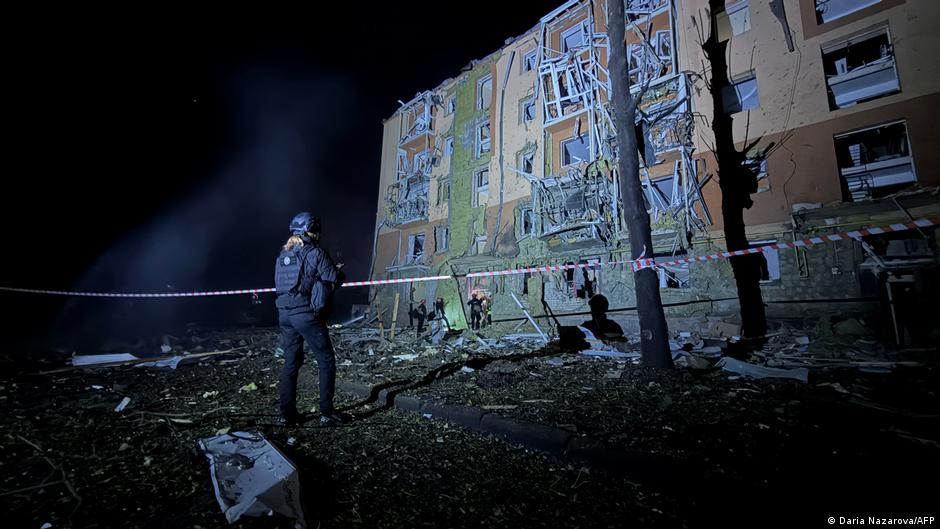
The president asserted that Ukraine was in ruins, had lost a significant share of its territory and no longer had access to seas or oceans. He also said the country’s male population had declined, been wounded or killed.
By pausing the sanctions process, Trump has kept a potentially sweeping instrument of trade and financial pressure in reserve. The decision temporarily limits the immediate risk of new tariff barriers, but it leaves banks, digital payment networks, crypto platforms and technology investors facing uncertainty over when the measures might be revived and how broadly their secondary effects could reach.