Drone Strike on Russia’s Arctic Gas Hub Raises Digital Market Risk
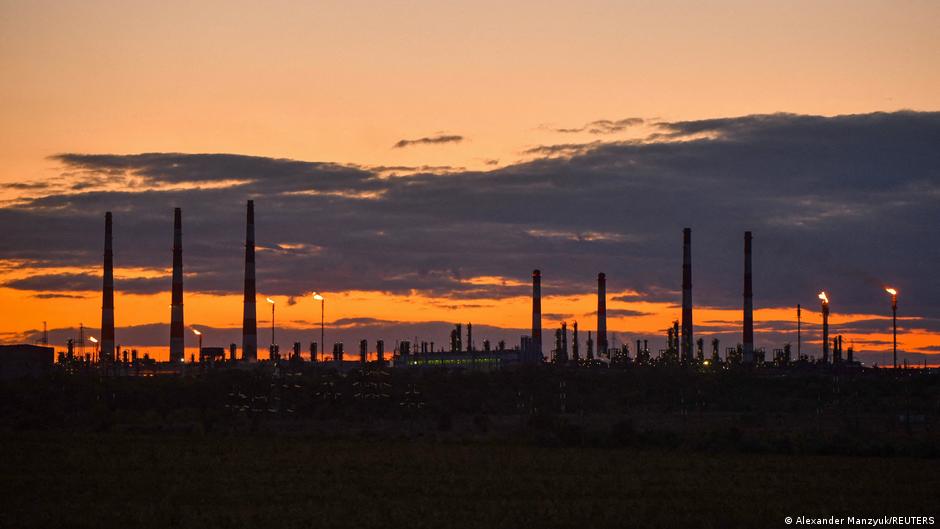
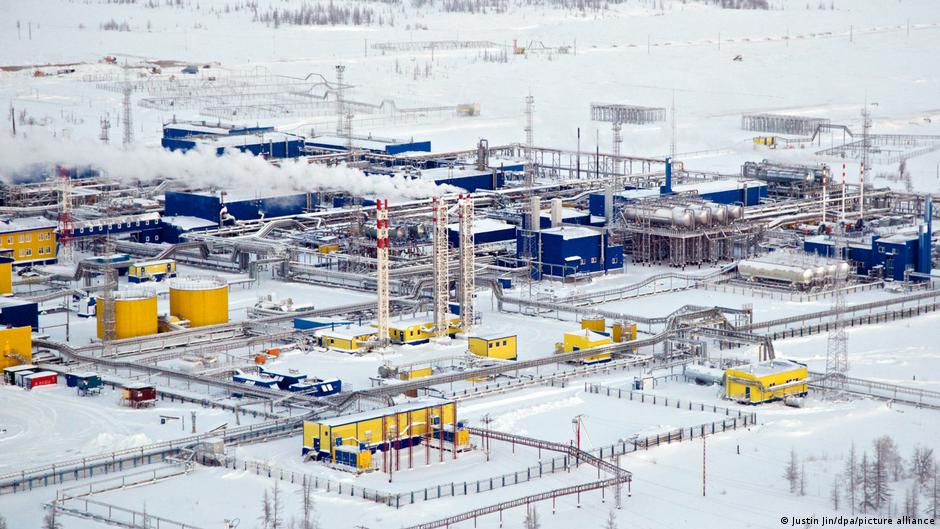
A first reported drone attack on Russia’s Yamal gas region highlights new infrastructure risks for energy finance, payments and tech markets.

A first reported drone attack on Russia’s Yamal gas region highlights new infrastructure risks for energy finance, payments and tech markets.

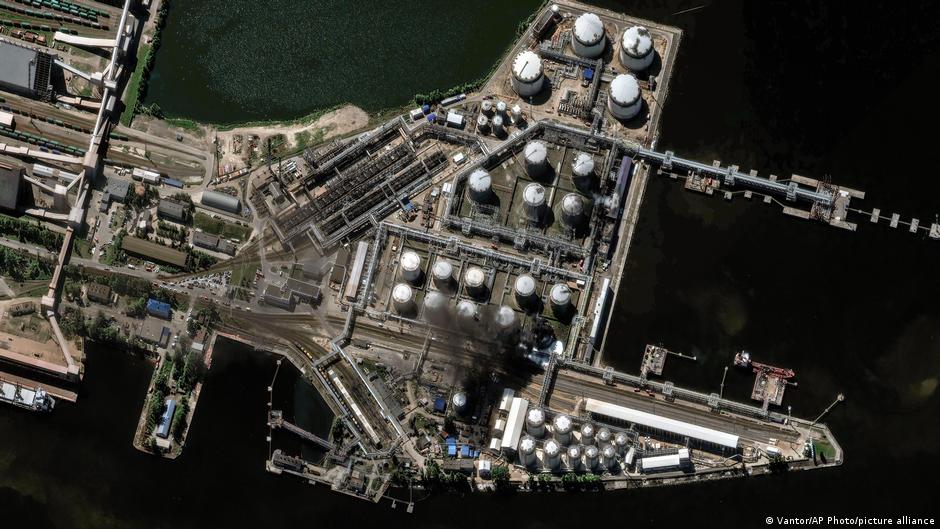
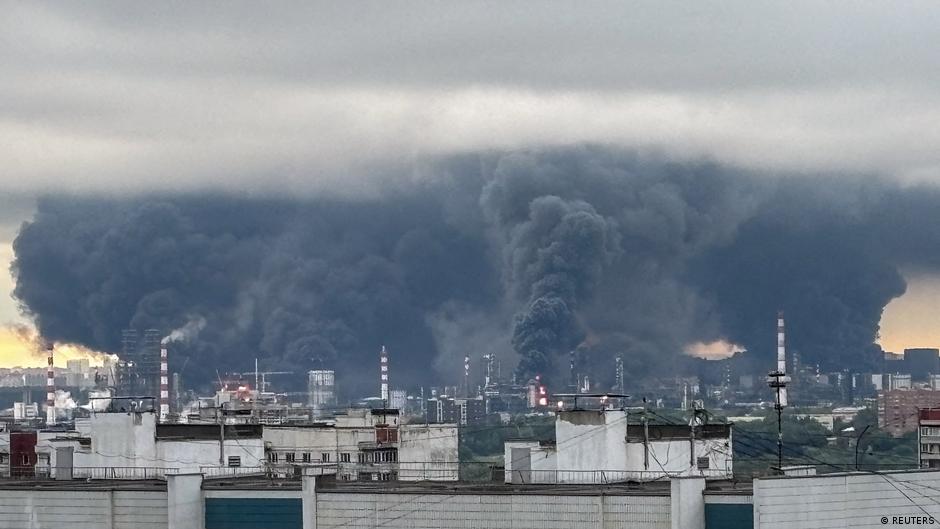
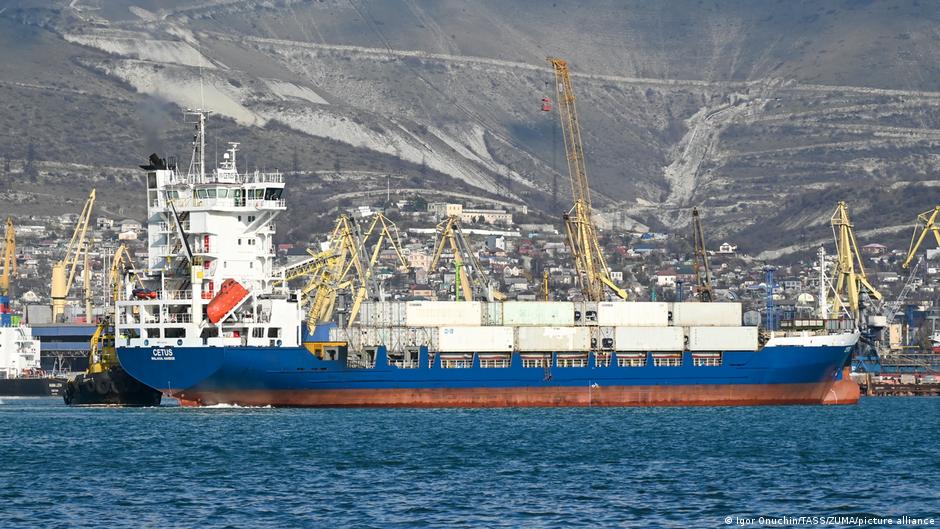
A drone attack on Novorossiysk reportedly caused fires at a fuel oil terminal and residential building, renewing focus on trade and payment risks.

Germany’s foreign minister says German defense firms should benefit from Berlin’s Ukraine support, tying aid to procurement and taxpayer accountability.

NABU and SAP searched Ukraine’s prosecutor general’s office in a probe tied to scam call centers, asset laundering and suspected official protection.

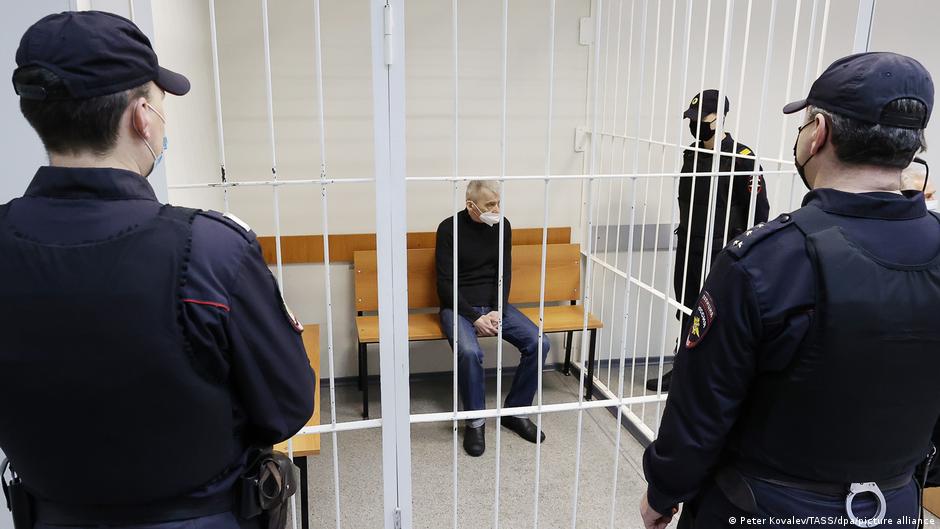
Ilya Remeslo, once a pro-Kremlin blogger, now faces up to 10 years in detention after criticizing Putin and the war, under charges of spreading fake news about the Russian military.

Russia's covert sabotage campaigns on European defense plants involve criminal groups paid via cryptocurrency, challenging NATO's cybersecurity and response strategies.

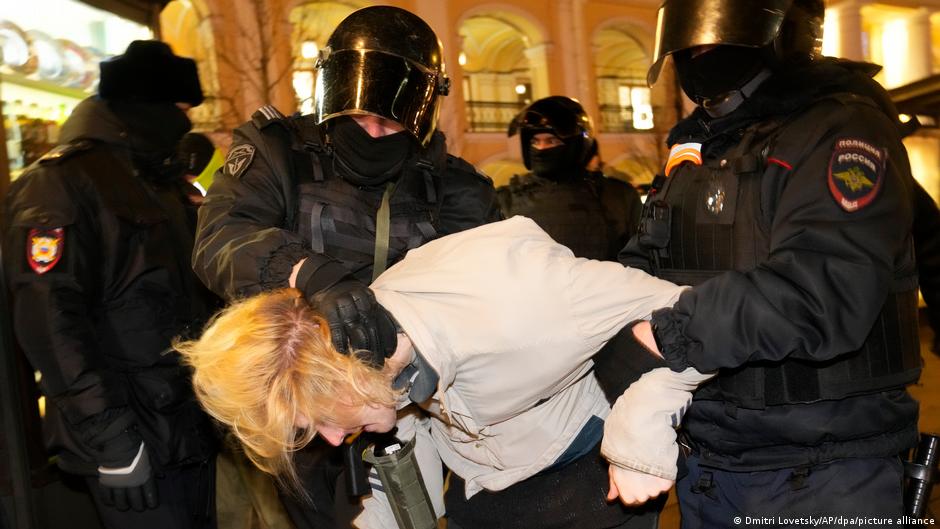
Nearly 100 people were detained at an informal music festival near Vyborg over pro-Ukraine songs and calls for regime change, as Russian authorities intensified digital surveillance efforts.

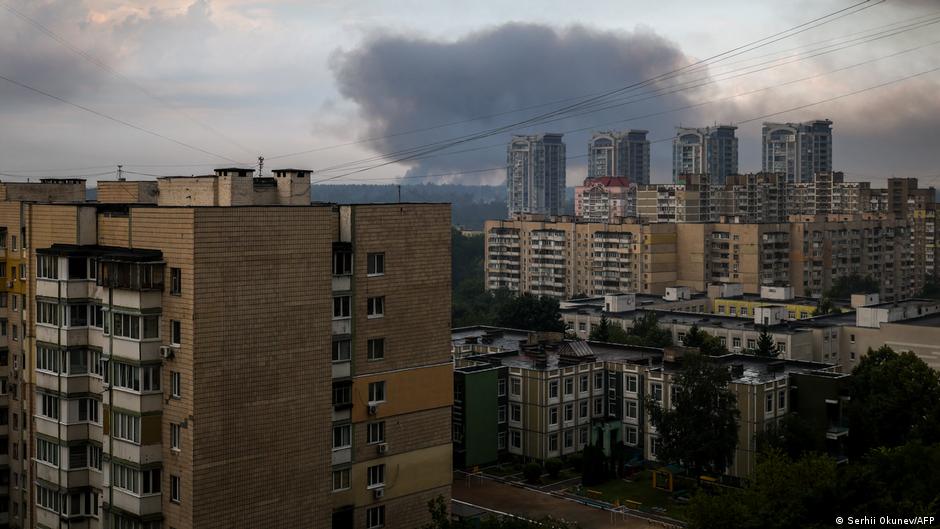
Ballistic missile strikes on Kyiv caused casualties and damaged key infrastructure, raising concerns over the security of Ukraine's digital economy and fintech resilience.

President Trump announced sweeping economic sanctions against Iran, threatening countries that do business with Tehran, impacting global trade, fintech, and digital payments.

Qatar denies holding Iranian pilots after airspace violation amid Middle East conflict, emphasizing adherence to international law and ongoing diplomatic efforts.

Russian missile and drone strikes on Kyiv and Kryvyi Rih cause casualties and threaten the stability of Ukraine’s digital economy and fintech infrastructure.

President Trump plans to declare the Strait of Hormuz U.S. territory, affecting global energy security and digital financial markets amid ongoing U.S.-Iran tensions.

Reported executions of Ukrainian POWs highlight the critical role of secure digital evidence and cybersecurity in documenting war crimes and supporting international justice.

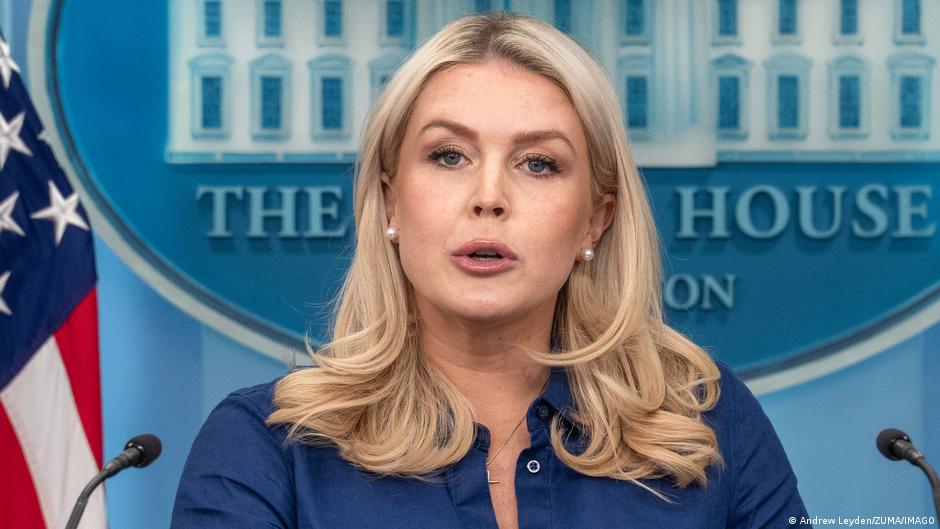
Caroline Leavitt resigns as White House Press Secretary to focus on family, prompting notable shifts in political communication during a critical period for digital economy policies.

Russian missile strikes on Kyiv region cause casualties and fires, raising concerns about the safety and cybersecurity of Ukraine’s fintech and digital economy.

Ukrainian and Serbian presidents met in Belgrade to discuss economic ties, energy cooperation, and security, signaling potential fintech and digital economy collaboration.

Russia has declared the US-based Human Rights Foundation undesirable, citing its digital projects like the Tyranny Tracker and critical content against Russian authorities.

The Ukrainian Security Service reports a 40-day campaign striking over 100 strategic sites in Russia, notably targeting energy infrastructure to undermine military capacity and impact the digital economy.

Venezuela's government and opposition will hold talks to discuss earthquake relief and election reforms, impacting the country's fintech and digital economy sectors.

The US announces a historic agreement with Hamas for full disarmament, marking a key step toward peace and potential growth in the region's digital economy and fintech sectors.

The US Senate advances a bill imposing heavy tariffs on Russia, with broad implications for fintech, digital banking, and sanctions compliance.
Montenegro will end visa-free entry for Russian and Belarusian citizens after October 2026, impacting fintech, digital payments, and cross-border economic ties amid EU integration efforts.

US forces continue 11th night of strikes on Iran, targeting military assets in a bid to secure Strait of Hormuz shipping lanes amid rising regional tensions.

The US begins delivering a $100 million humanitarian aid package to Cuba amid sanctions and military tension, impacting digital payments and financial sectors.

Darlin Graham Norton was appointed to fill her late brother Lindsey Graham’s Senate seat, securing a fragile Republican majority and influencing fintech and digital economy policies.

German President Steinmeier urges Europe to uphold international order amidst geopolitical challenges, emphasizing the impact on digital economy, fintech, and cybersecurity.

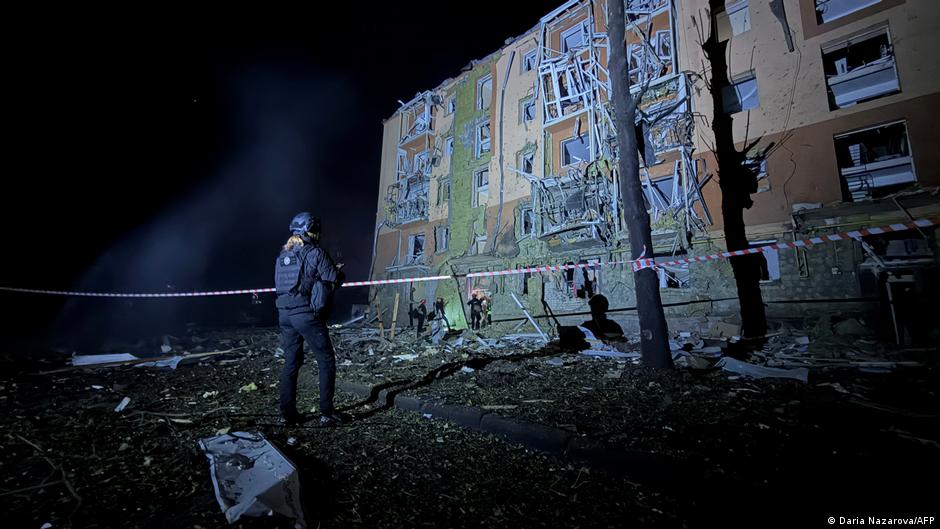
Russian drone strikes in Kharkiv and Dnipro cause civilian harm and infrastructure damage, raising cybersecurity and economic risks for Ukraine’s digital economy and fintech sector.

June 2026 saw the highest civilian casualties in Ukraine since the Russian invasion, highlighting escalating risks to the country’s digital economy and fintech infrastructure amid conflict.
US military strikes on Iran target maritime infrastructure in the Strait of Hormuz, raising risks for global trade, energy markets, and fintech payment ecosystems amid escalating tensions.

Russian missile and drone strikes caused casualties and infrastructure damage in Kyiv and Kharkiv, raising concerns about impacts on Ukraine's fintech and digital economy sectors.

A poll finds 45% of Germans oppose banning the far-right AfD, which leads the CDU/CSU by 8%, signaling political shifts that could impact fintech and digital economy sectors.

German and US foreign ministers reaffirm the critical partnership to address global economic instability and strengthen cooperation ahead of key NATO and Mercosur summits.

Yulia Navalnaya awarded European Prize by Bavaria's SPD for her courageous resistance to Russia's authoritarian regime and advocacy for human rights.

Ballistic missile attacks on Kyiv and other Ukrainian cities pose significant risks to digital infrastructure, fintech services, and cybersecurity amidst ongoing conflict.

US airstrikes on Iranian military sites followed Iran's drone attack on a commercial vessel in the Strait of Hormuz, escalating risks to maritime security and impacting global trade and fintech sectors.

The Council of Europe’s Parliamentary Assembly criticized Georgia for democratic backsliding and urged reforms amid political tensions affecting governance and the digital economy.

The US and Iran agreed on a communication channel to prevent incidents in the Strait of Hormuz, aiming to finalize broader agreements within 60 days, impacting regional security and fintech sectors.

The EU agrees to extend sanctions on Russia for one year, increasing pressure on energy and finance sectors, with implications for fintech, cybersecurity, and digital payments.

The EU has initiated discreet talks with Kremlin officials to prepare for future peace negotiations, a move that could impact digital economy sectors like fintech and cybersecurity.

Pakistan announces the Strait of Hormuz will reopen immediately following a US-Iran peace deal, signaling shifts in global trade and fintech opportunities.

Eduardo Bolsonaro was sentenced to over four years for lobbying US sanctions against Brazil, highlighting political risks that could affect Brazil's fintech and digital economy sectors.

22 countries, including the US and Europe, condemn Iran's IRGC for orchestrating attacks on dissidents and Jewish communities, with major cybersecurity and fintech implications.

A US judge has ruled the Trump-era $100,000 H-1B visa fee unlawful, easing access to tech talent critical for the fintech and digital economy sectors.

Israeli airstrikes on Iran escalate tensions amid US-led peace talks, posing risks to fintech, digital payments, cybersecurity, and tech sector stability in the Middle East.

Russian drone attacks over Kyiv and eastern Ukraine raise alarm over impacts on fintech, digital banking, and cybersecurity amidst ongoing conflict.

The US has imposed new sanctions on Cuban President Diaz-Canel and Raul Castro's family, intensifying pressure amid worsening diplomatic ties and economic challenges on the island.

The U.S. House passed a resolution limiting President Trump's ability to continue war with Iran without Congress approval, signaling shifting political dynamics and implications for fintech and cybersecurity.

Israel and Lebanon, with US mediation, agreed on a ceasefire requiring Hezbollah’s withdrawal and new security zones, aiming to stabilize the region and support economic resilience.

Russian missile strikes on Ukrainian cities have caused casualties and infrastructure damage, raising concerns over impacts on digital infrastructure, fintech, and cybersecurity.

Paxtakor Football Club reported a 50 billion UZS loss in 2025 with mounting tax debts, highlighting urgent financial restructuring and the need for sustainable revenue models in Uzbek football.