US-Iran Maritime Clash Heightens Tensions Amid Digital Economy Disruptions
US seizure of Iranian-flagged cargo ship in the Gulf of Oman escalates geopolitical conflict impacting regional trade and fintech sectors.
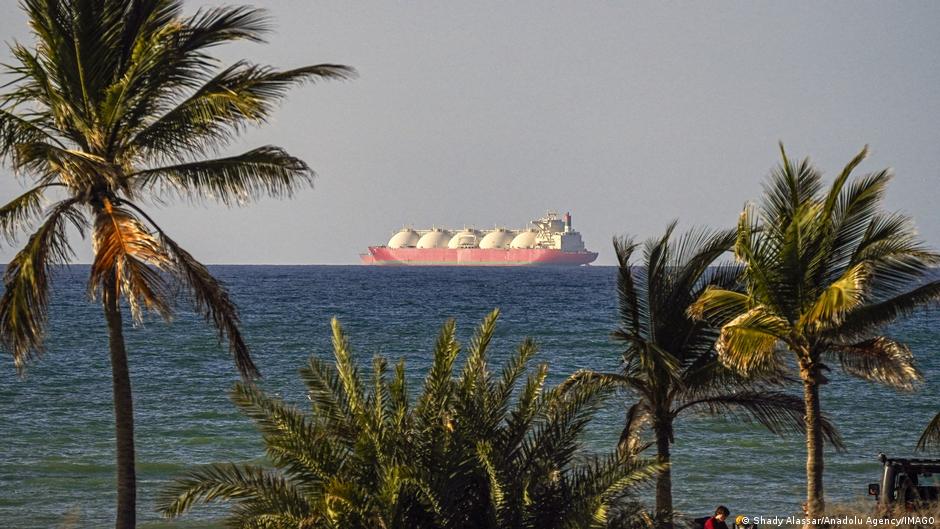
Recent military actions involving the United States and Iran have further intensified tensions in the Gulf of Oman, directly affecting regional trade routes and raising concerns over digital economic stability. The Central Headquarters of Iran's Armed Forces in Tehran condemned the US Navy's capture of an Iranian-flagged cargo vessel as an "act of piracy" and a violation of a fragile ceasefire.
This incident marks a significant escalation in the ongoing geopolitical conflict between the two nations, with far-reaching implications for fintech, digital banking, and cybersecurity, particularly in the context of disrupted supply chains and heightened maritime security risks.
Geopolitical Tensions Disrupting Digital Trade and Payments Infrastructure
Iran's military spokesperson, representing the Central Headquarters, accused the United States of transgressing ceasefire agreements and engaging in aggressive maritime actions. According to the statement, US forces not only seized the cargo ship but also launched drone strikes against US naval vessels operating in the area.
"Aggressive America violated the ceasefire and committed an act of maritime piracy," the military statement declared.
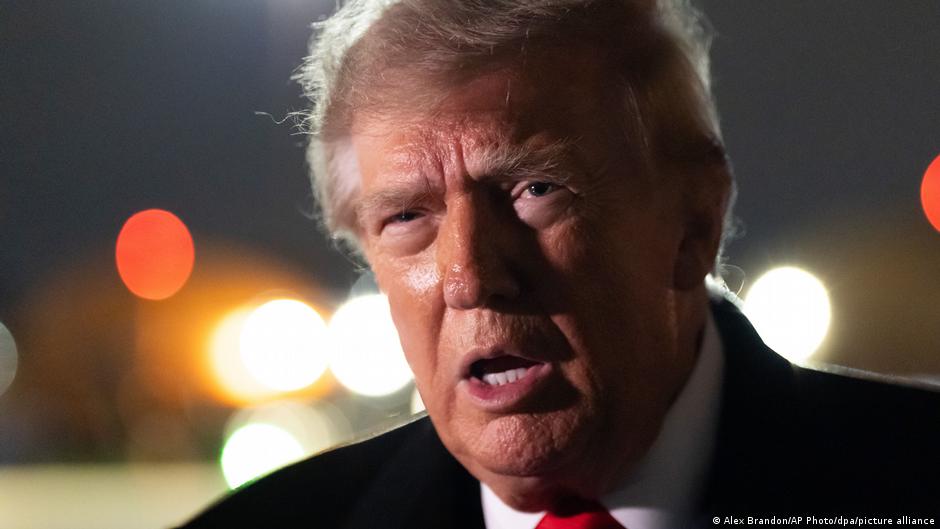
Earlier, US President Donald Trump confirmed via his Truth Social platform that the US Navy intercepted the Iranian cargo ship in the Gulf of Oman on grounds that it was attempting to circumvent a US-imposed blockade on Iranian ports, part of a broader strategy to restrict Iran's supply chain and economic activities.
The US Central Command (CENTCOM) for the Middle East corroborated the seizure, underscoring Washington’s continued military presence and enforcement of sanctions aimed at curbing Iran's economic capabilities.
These developments have serious repercussions for the digital economy. Maritime trade routes in the Gulf of Oman are vital corridors for oil and goods, with substantial volumes of digital transactions linked to the movement of commodities and financial flows passing through the region.
Disruptions caused by military confrontations can hinder payment processing systems, delay fintech transactions, and increase cybersecurity vulnerabilities as regional digital infrastructures strain under unpredictable economic pressures.
Impact on Regional Fintech and Digital Banking Sectors
The blockade and associated naval confrontations risk increasing the operational costs for digital payment gateways and fintech companies facilitating cross-border trade. Banks and digital payment platforms connected with Iranian commercial activities may face heightened regulatory scrutiny and operational challenges, including sanctions compliance and transaction monitoring complexities.
Moreover, uncertainty over the resumption of diplomatic negotiations — previously proposed by the US administration — casts a shadow over potential de-escalation and normalization of trade and digital financial interactions between the US and Iran.
Iranian authorities have declared an unwillingness to engage in talks while the US blockade remains active, signaling prolonged instability. This stalemate could exacerbate risks for tech stocks and digital financial services providers exposed to Middle Eastern trade flows and energy markets.
Industry experts warn that geopolitical risks in the Gulf region could trigger increased volatility in fintech investment and necessitate enhanced cybersecurity protocols for digital banking platforms operating in or connected to the area.
As digital payments and cryptocurrency increasingly underpin global trade, interruptions in strategic maritime routes like the Gulf of Oman underscore the critical need for resilient digital economic infrastructures that can adapt to geopolitical disruptions.