Russia's Prolonged War Outlook Spurs Calls for Economic and Cybersecurity Overhaul
Advisor to Rosneft's Igor Sechin warns Russia may face decades-long conflict requiring fortified digital and economic defenses.
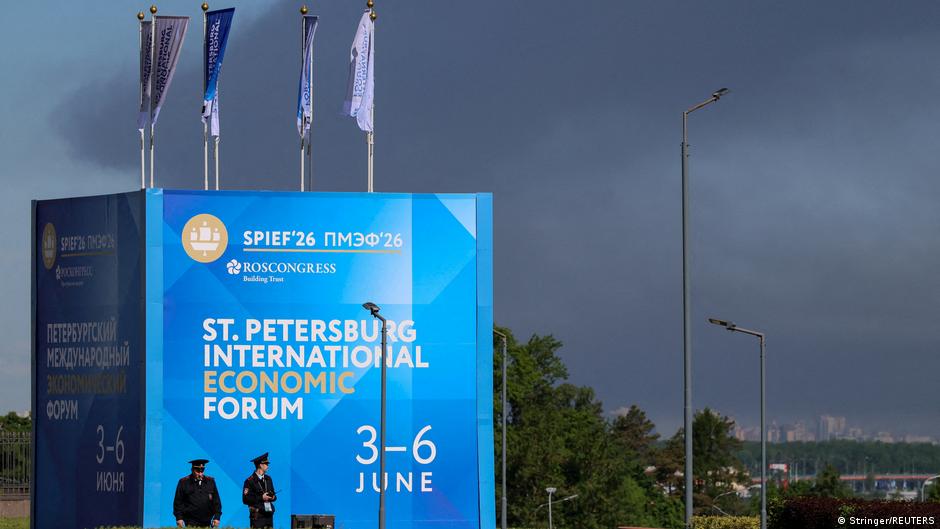
During the recent St. Petersburg International Economic Forum (SPIEF), Andrei Bezrukov, a political analyst and advisor to Rosneft CEO Igor Sechin, projected that Russia might remain in a state of war for "a couple of decades." His remarks emphasize the profound implications for the country's economy, digital infrastructure, and security landscape.
Long-term Conflict and Economic Resilience
Bezrukov highlighted the possibility of a "hot war" evolving into a prolonged, creeping conflict, potentially impacting multiple generations. "We will have two generations that can be considered practically at war," he said, underscoring the need to adapt Russia's state and economic systems accordingly. He stressed that Russia must not only focus on development but also on defense capabilities, signaling a strategic shift towards integrating security priorities into economic planning.
"We need to build the state system and economy so that it serves not only development but also defense tasks."
For the fintech and digital economy sectors, this outlook implies increased investment in cybersecurity, resilient payment systems, and digital banking infrastructures capable of withstanding ongoing geopolitical tensions.
Emerging Threats: Biowarfare and Cybersecurity Challenges
Bezrukov also raised alarms over potential biowarfare threats, suggesting that technologies exist to create viruses with devastating effects. While such claims have been controversial and disputed internationally, they reflect a broader concern about emerging security risks in biotech and cyber domains.
Given these assertions, Russian policymakers and businesses in the digital and fintech space may face heightened scrutiny and regulatory pressures to ensure cyber and biosecurity. This environment could accelerate innovation in protective technologies and cybersecurity services, pivoting the fintech sector towards fostering national resilience.
Recent Security Incidents Underscore Urgency
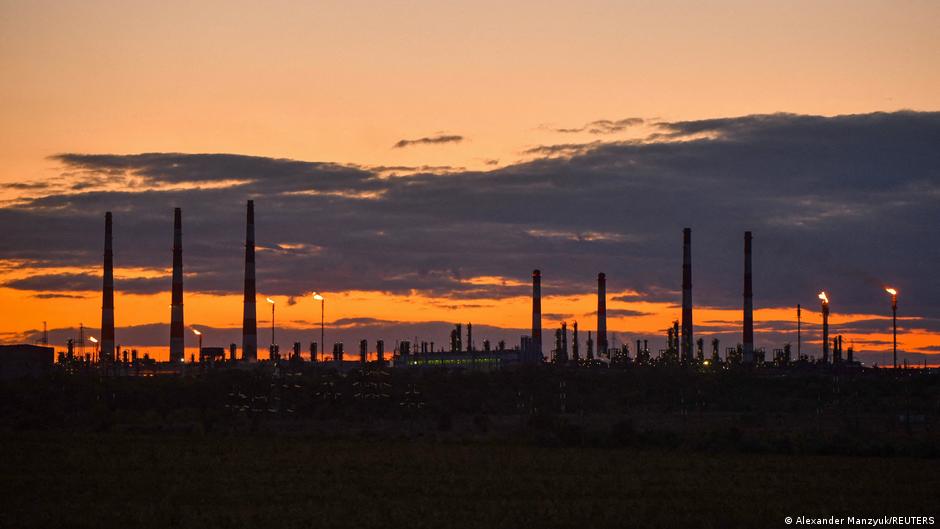
On the night of June 3, St. Petersburg and the Leningrad region experienced drone attacks that caused explosions and fires, including damage to a major oil terminal. The incident disrupted mobile internet services and led to widespread delays at Pulkovo Airport. Such attacks exemplify the growing risk of hybrid warfare tactics, further motivating the integration of cybersecurity into critical infrastructure and digital financial services.
Overall, Bezrukov's statements signal a paradigm shift for Russia's economic and digital sectors. The intersection of prolonged conflict, biotechnological threats, and cyberattacks demands an agile, secure, and robust digital economy capable of supporting national security objectives.