US Considers Allowing Saudi Arabia Uranium Enrichment, Raising Geopolitical and Tech Sector Concerns
US administration contemplates uranium enrichment permission for Saudi Arabia without strict IAEA safeguards, impacting nuclear oversight and related technology sectors.
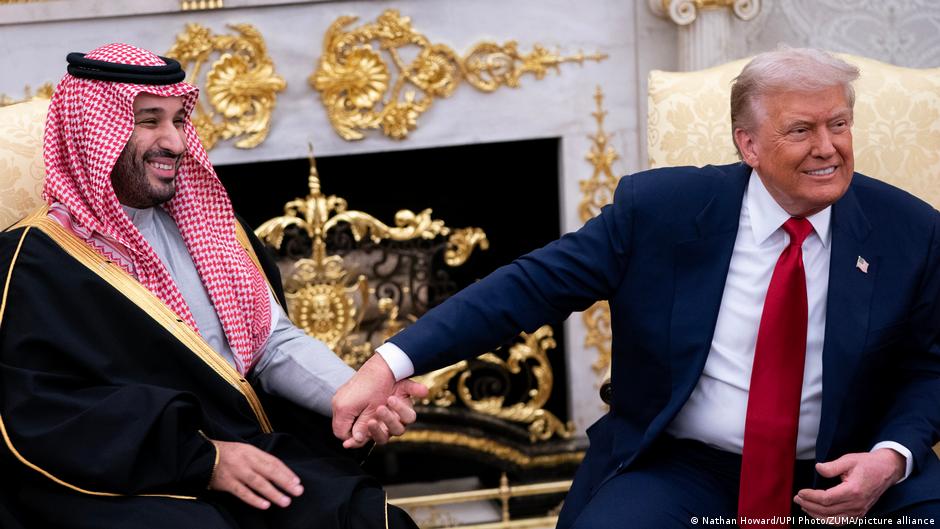
The Trump administration is reportedly considering allowing Saudi Arabia to enrich uranium without requiring adherence to the International Atomic Energy Agency's (IAEA) Additional Protocol, potentially enabling Riyadh to develop nuclear weapons capabilities. This development raises significant geopolitical concerns and may have downstream effects on the fintech and digital economy sectors, particularly in areas related to cybersecurity and technology investments.
US-Saudi Nuclear Agreement and Its Implications
According to sources familiar with the negotiations, the US and Saudi Arabia have drafted a bilateral agreement to support the kingdom's development of civilian nuclear energy. However, this agreement would not mandate Saudi Arabia to accept the stringent inspections under the IAEA's Additional Protocol, which provides for expanded monitoring powers to detect undeclared nuclear activities.
"The absence of comprehensive safeguards could open a pathway for Saudi Arabia to pursue nuclear weapons, destabilizing the Middle East security landscape and affecting global tech markets," experts have noted.
The move comes amidst escalating regional tensions, especially considering Saudi Crown Prince Mohammed bin Salman's prior statements that the kingdom would seek nuclear capabilities if Iran were to develop nuclear weapons. This backdrop intensifies concerns over nuclear proliferation and the integrity of international non-proliferation frameworks.
Potential Impact on Fintech, Cybersecurity, and Tech Investments
From a fintech and digital economy perspective, the evolving geopolitical risk landscape can influence cybersecurity priorities and investment flows in technology sectors. Increased regional instability often drives demand for robust cybersecurity infrastructure to protect critical payment systems, digital banking platforms, and sensitive data.
Additionally, heightened geopolitical risks can lead to volatility in tech stocks, particularly those involved in defense technologies, cybersecurity solutions, and digital infrastructure. Investors in fintech companies and digital payment platforms may also reassess risk exposure due to potential sanctions, regulatory changes, or disruptions in international partnerships.
Furthermore, nuclear proliferation concerns could prompt governments and private sector entities to enhance digital surveillance and monitoring technologies, including blockchain-based tracking systems for nuclear materials and supply chain security, thereby influencing innovation and investment in these niche fintech applications.
Conclusion
While the US-Saudi nuclear agreement aims to advance civilian energy cooperation, its leniency on safeguards introduces complex risks with broader implications. For stakeholders in fintech and the digital economy, staying informed about such geopolitical developments is crucial, as they indirectly shape cybersecurity priorities, tech investment climates, and the stability of critical digital infrastructure.