US Brokered Ceasefire Agreement Between Israel and Lebanon to Stabilize Regional Security
Israel and Lebanon agreed to a ceasefire mediated by the US, including Hezbollah’s withdrawal and new security zones under Lebanese army control.
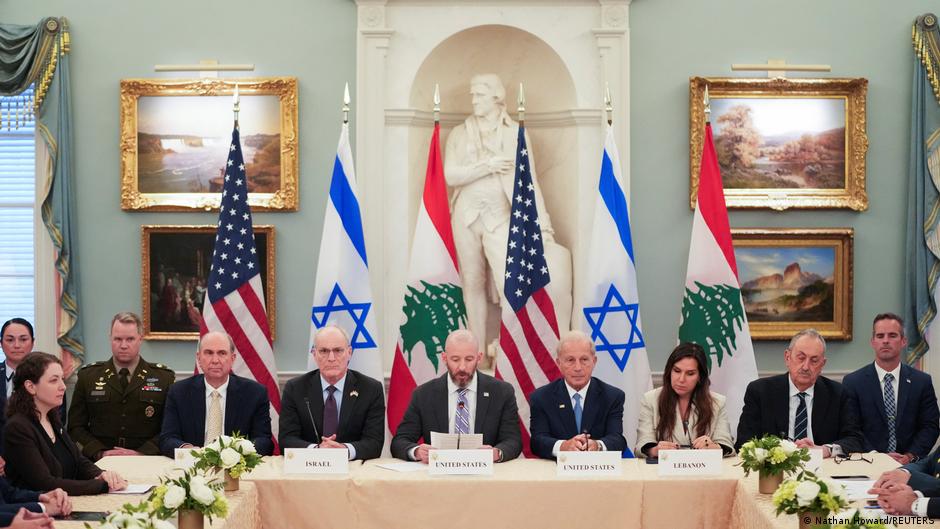
The United States Department of State announced a ceasefire agreement between Israel and Lebanon, brokered through US mediation. The agreement requires a full cessation of hostilities by the Lebanese militant group Hezbollah and the withdrawal of its fighters from the area south of the Litani River.
This trilateral statement, released on June 3, follows two days of negotiations held in Washington involving representatives from both countries. The pact aims to halt ongoing conflict and establish conditions conducive to peace in the region.
Security Measures and Future Negotiations
The agreement stipulates the creation of pilot zones exclusively controlled by the Lebanese Armed Forces to enhance security oversight. The success of the ceasefire depends on Hezbollah’s compliance with the terms, particularly the cessation of rocket attacks on Israel and troop withdrawals.
Lebanon and Israel plan to continue direct talks starting the week of June 22 to reach a comprehensive agreement addressing outstanding issues. This ongoing dialogue is critical to sustaining stability and preventing further escalation.
"The ceasefire's durability hinges on strict adherence to its conditions, including the full withdrawal of Hezbollah militants from the southern sector," the US State Department emphasized.
The recent conflict escalation traces back to March, following US-Israeli strikes that killed Iran’s Supreme Leader Ayatollah Ali Khamenei and subsequent rocket attacks by Hezbollah. Israel responded with extensive airstrikes targeting Hezbollah positions and Beirut, alongside a ground operation aimed at establishing a buffer zone along its northern border.
The violence has resulted in significant casualties. According to Lebanon’s Ministry of Health, approximately 2,200 people, including many civilians, have died. The Israeli military reports over 1,700 Hezbollah fighters killed since March, although civilian casualty figures remain uncertain.
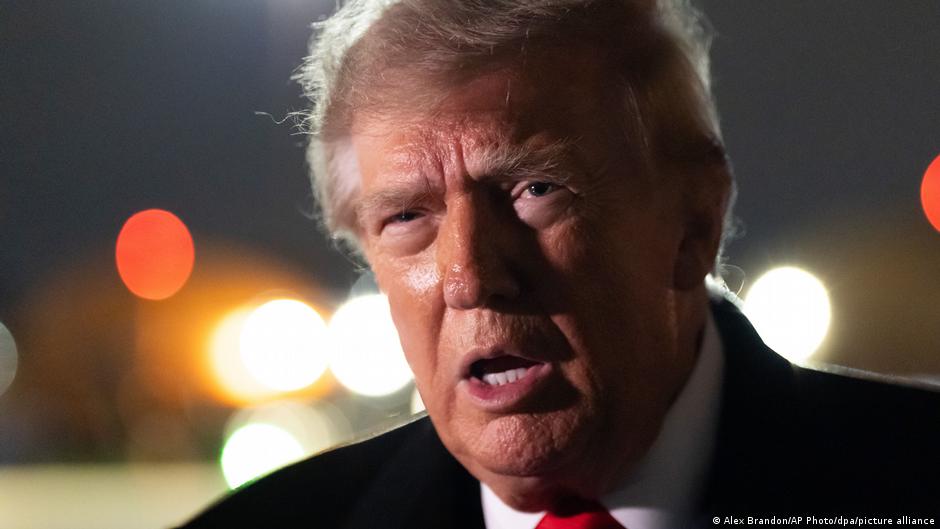
Efforts to deescalate began earlier this year with the first direct talks between Israeli and Lebanese diplomats since 1993, followed by temporary ceasefire declarations. However, intermittent fighting resumed, including a notable incident on June 1 when Israeli strikes near Beirut’s southern suburbs drew criticism from US President Donald Trump, who continued to support negotiations.
From a fintech and digital economy perspective, the ceasefire could positively impact regional stability, which is crucial for digital payment systems, cryptocurrency markets, and technology investments in both Israel and Lebanon. Conflict often disrupts financial infrastructure and investor confidence, so improved security may pave the way for enhanced digital banking services, fintech innovation, and safer cybersecurity environments.
Furthermore, the normalization of relations and reduced hostilities may encourage cross-border digital trade and economic collaborations, fostering growth in emerging tech sectors. Investors and fintech companies monitoring Middle Eastern markets will likely view this ceasefire as a favorable development for future prospects.