Palestinian Election Delay Adds Governance Risk for Gaza’s Digital Economy
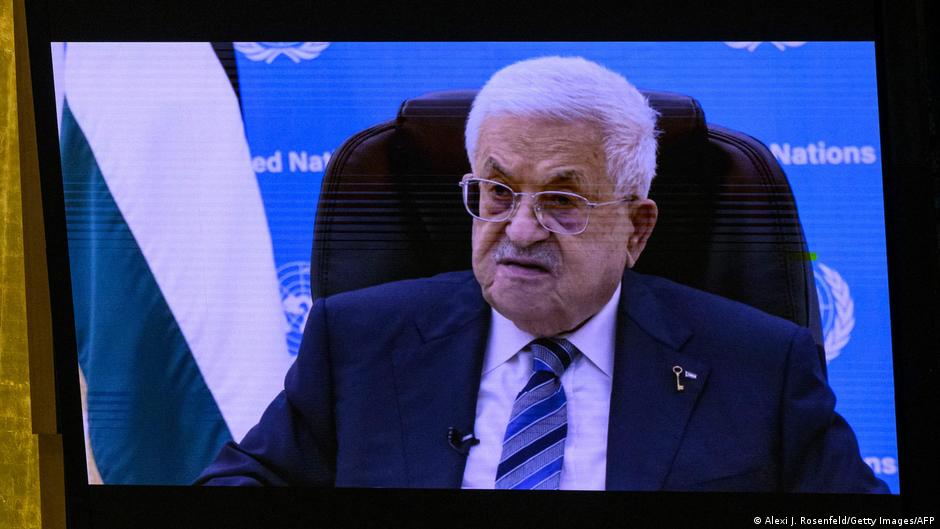
Abbas delayed Palestinian elections to September 2027, extending governance uncertainty for Gaza’s payments, banking and digital economy outlook.

Abbas delayed Palestinian elections to September 2027, extending governance uncertainty for Gaza’s payments, banking and digital economy outlook.

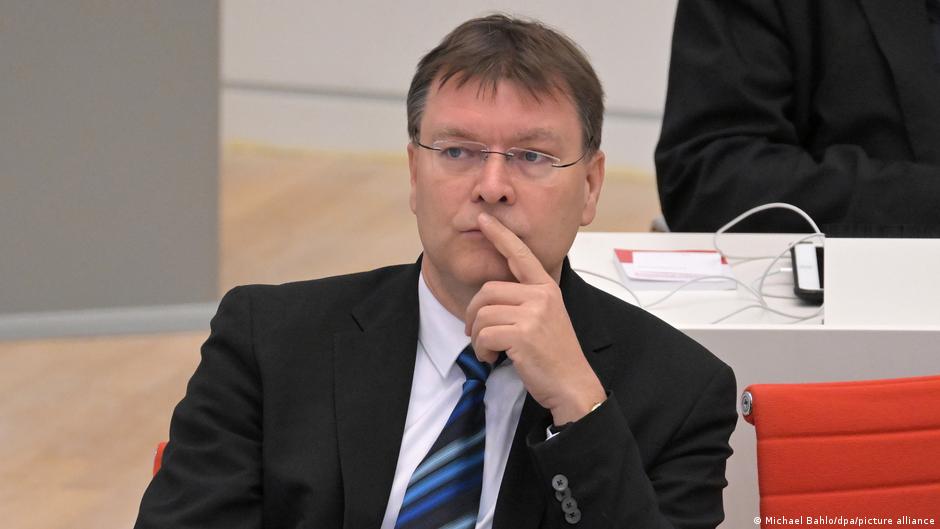
BSW lawmaker Sven Hornauf plans Belarus and Russia trips to revive sister-city ties, raising wider questions for compliance and security.

Flydubai halted Israel flights after an alleged cockpit attack forced a Dubai-Tel Aviv service to land in Saudi Arabia.

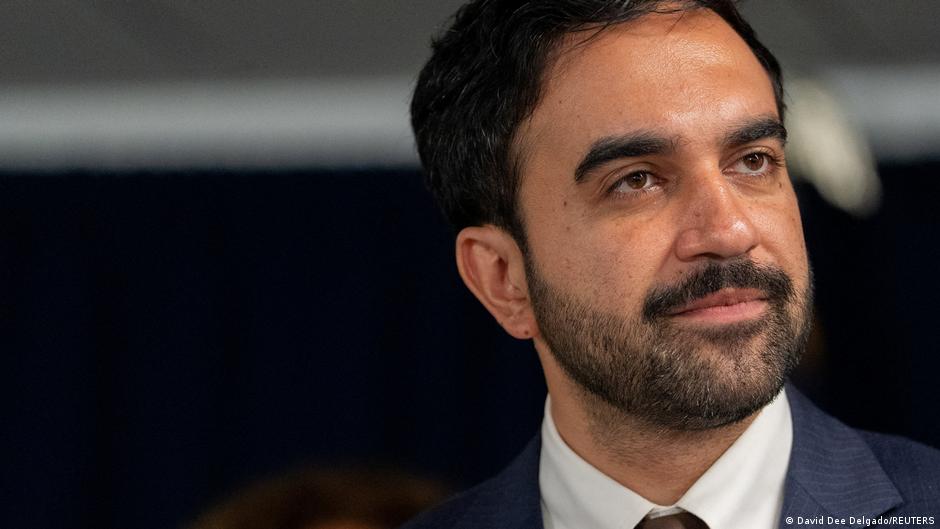
New York Mayor Zohran Mamdani proposed raising hate-crime funding to $29 million, with added synagogue security and Jewish cultural support.

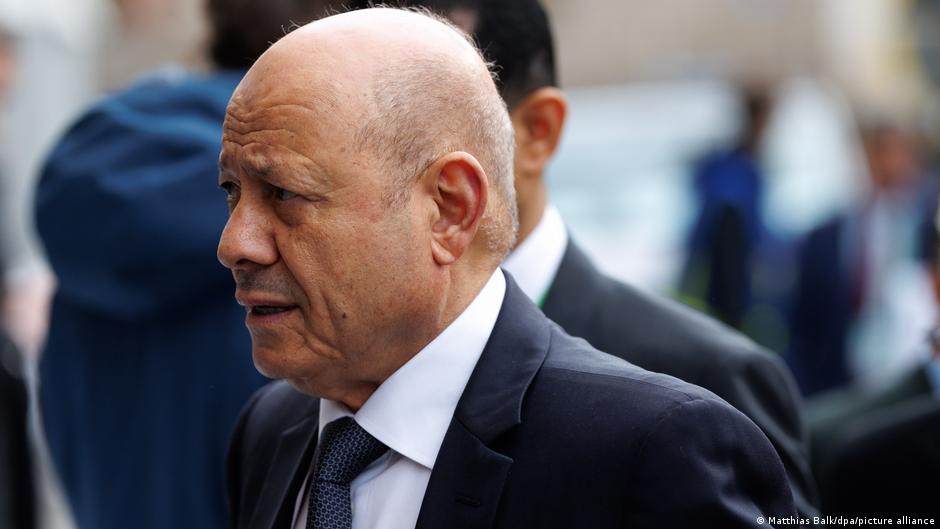
Yemen’s mobilization call adds pressure to Red Sea trade routes, energy costs and market risk as Houthi forces advance near Bab el-Mandeb.

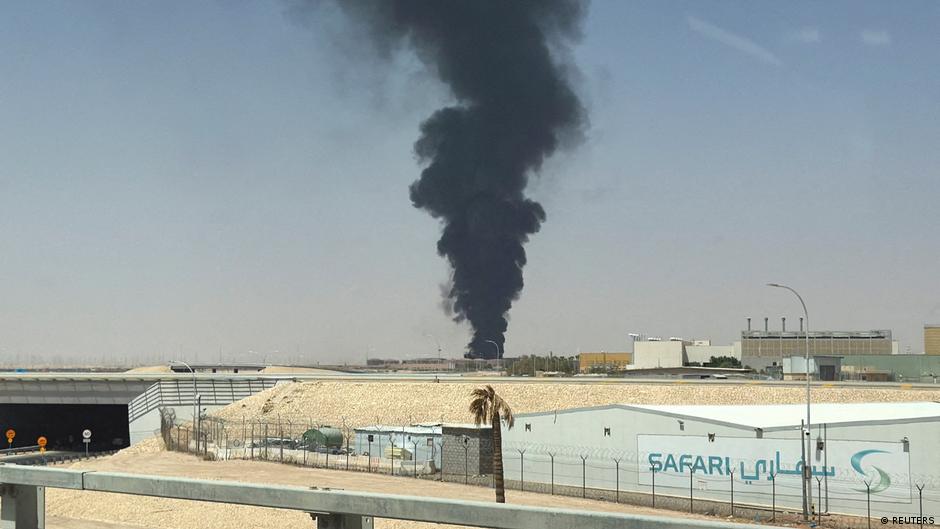
Saudi Arabia said it intercepted a Houthi missile aimed at Riyadh, adding pressure to oil routes, payments, crypto markets and tech stocks.

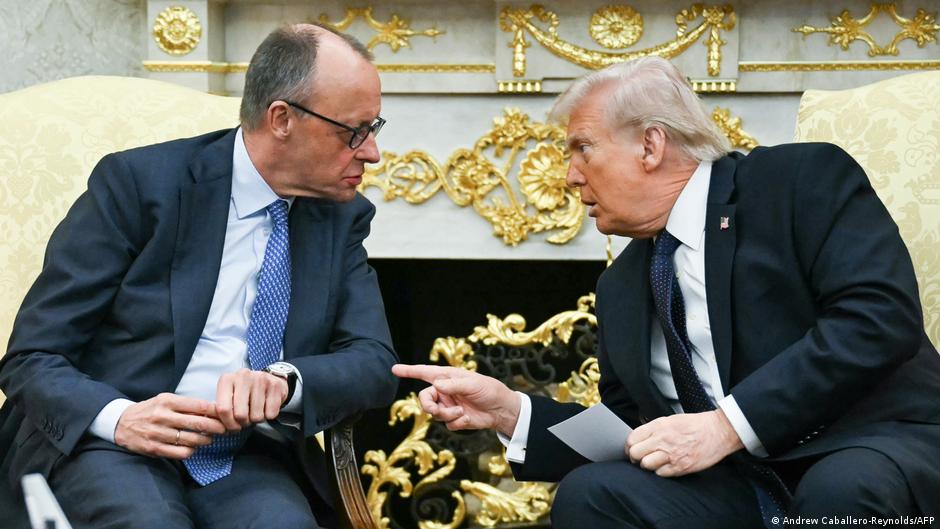
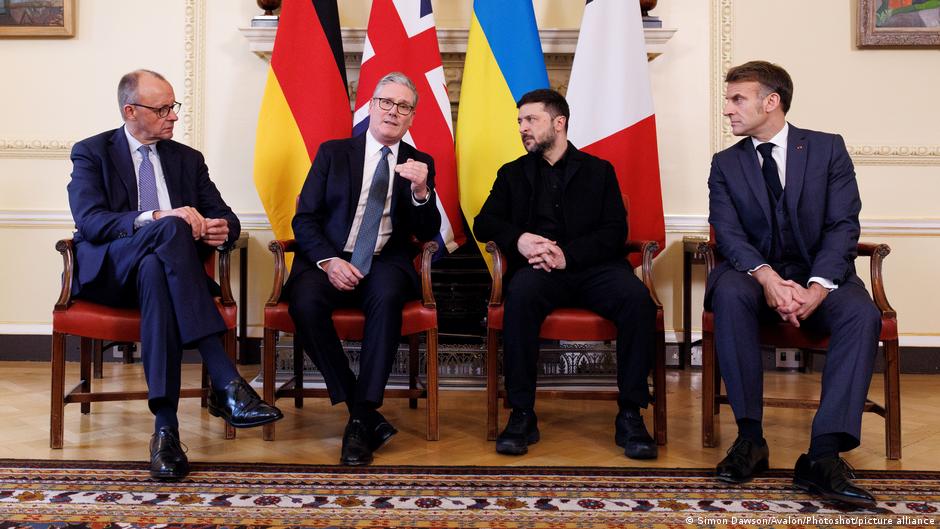
Friedrich Merz says unconditional transatlantic friendship may be over, with implications for Germany’s economy, security and digital sectors.

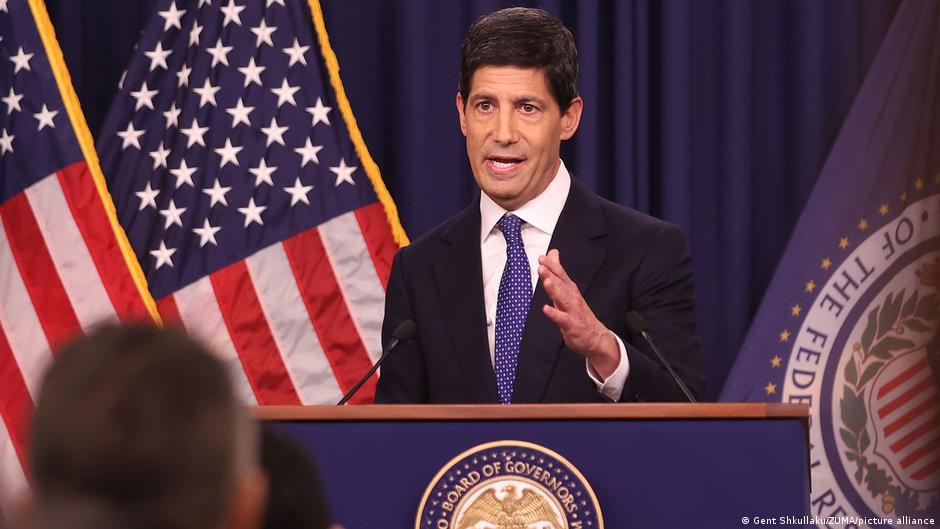
The Fed lifted rates to 3.75%-4%, its first increase in three years, putting fintech, crypto, payments and tech stocks under pressure.

Houthi control near Bab el-Mandeb could disrupt oil flows and ripple through payments, crypto, digital banking and tech stocks.

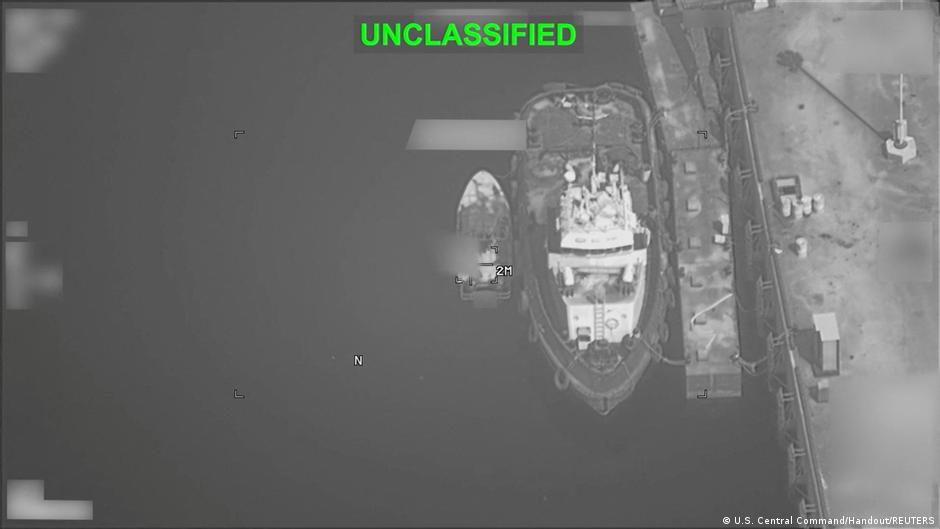
CENTCOM said five Iranian oil tankers were destroyed after missile attacks on a U.S. Navy ship, raising Gulf energy and finance risks.

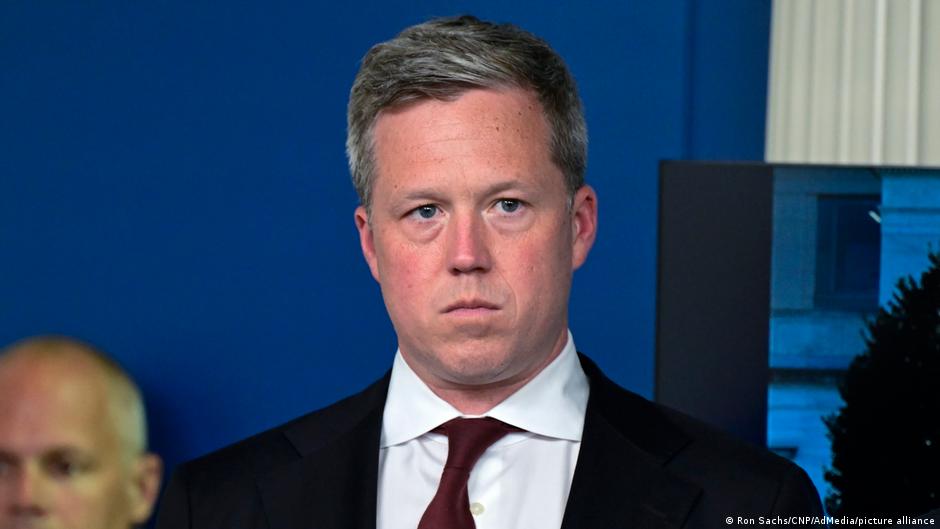
Daniel Driscoll's reported resignation adds uncertainty around Pentagon procurement, cybersecurity priorities and defense-tech market signals.

The US removal of Syria from the terrorism sponsor list opens pathways for economic integration, fintech growth, and digital banking expansion amid complex regional geopolitics.

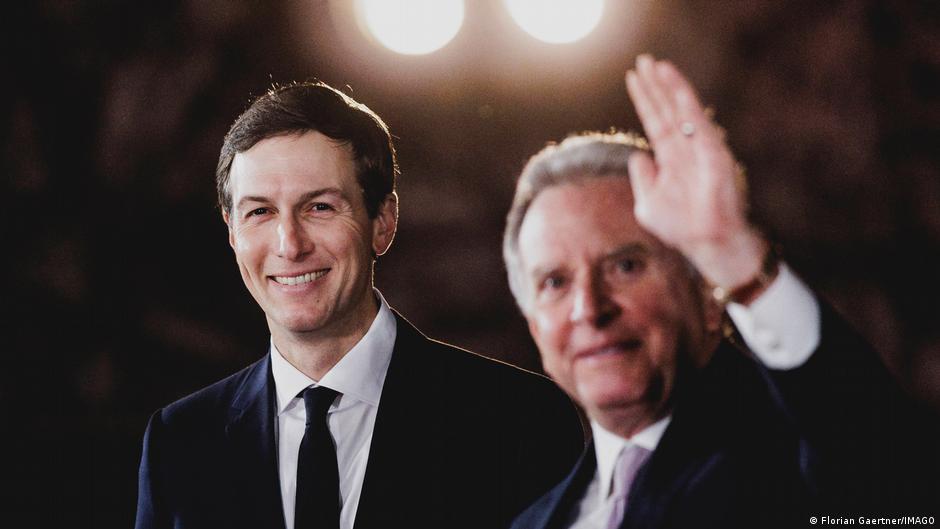
Jared Kushner’s talks with Hamas leaders highlight how Middle East geopolitical tensions affect fintech, digital banking, and cybersecurity amid ongoing Gaza conflict.

President Trump plans to declare the Strait of Hormuz U.S. territory, affecting global energy security and digital financial markets amid ongoing U.S.-Iran tensions.

US-Iran talks resume August 3 with postponed strikes, impacting fintech, digital banking, and cybersecurity amid ongoing regional tensions.

The US announces a historic agreement with Hamas for full disarmament, marking a key step toward peace and potential growth in the region's digital economy and fintech sectors.

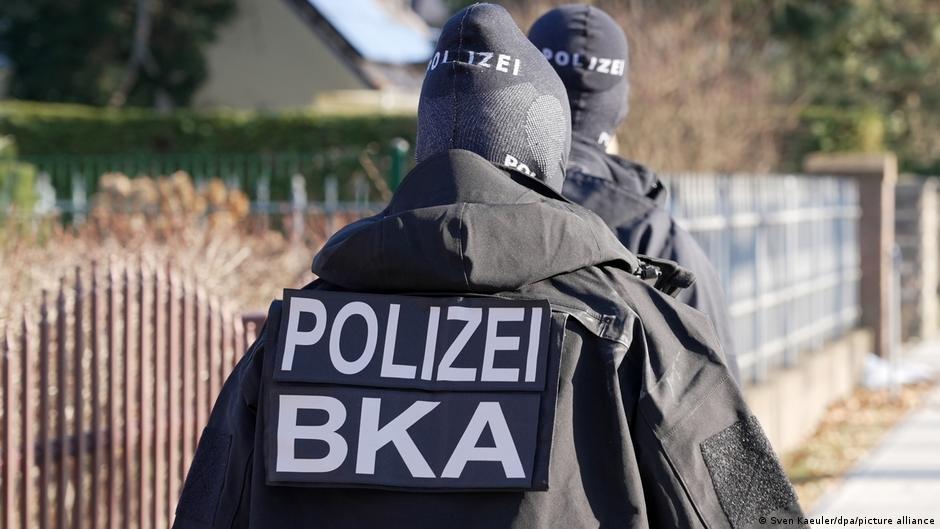
Germany reports 410 individuals deemed Islamist threats, with rising consultations on radicalization and concerns over extremist influences on digital security and fintech sectors.

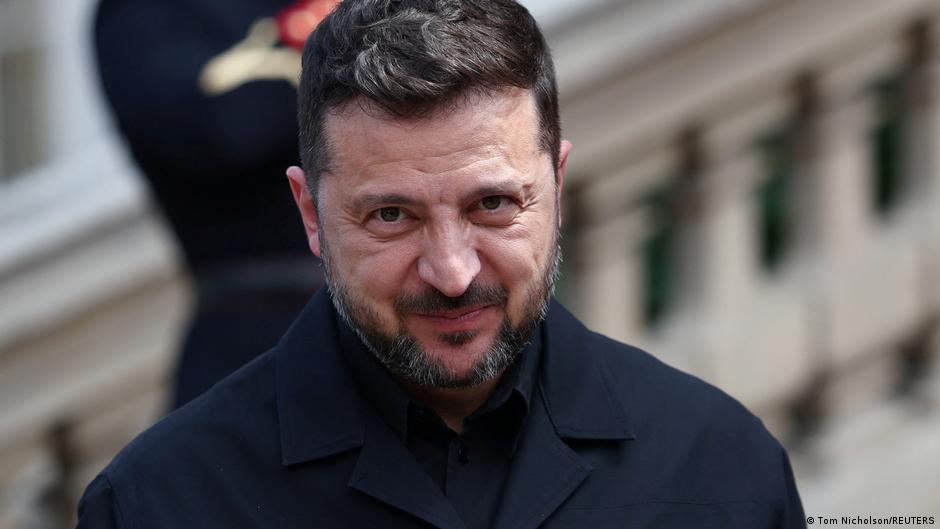
President Zelensky visits Washington where the US Senate will vote on new sanctions against Russia, underscoring rising geopolitical tensions impacting fintech and global payments.

Iran’s Revolutionary Guard mined and attacked an oil tanker in the Strait of Hormuz, impacting global energy trade and digital financial networks connected to maritime oil shipments.

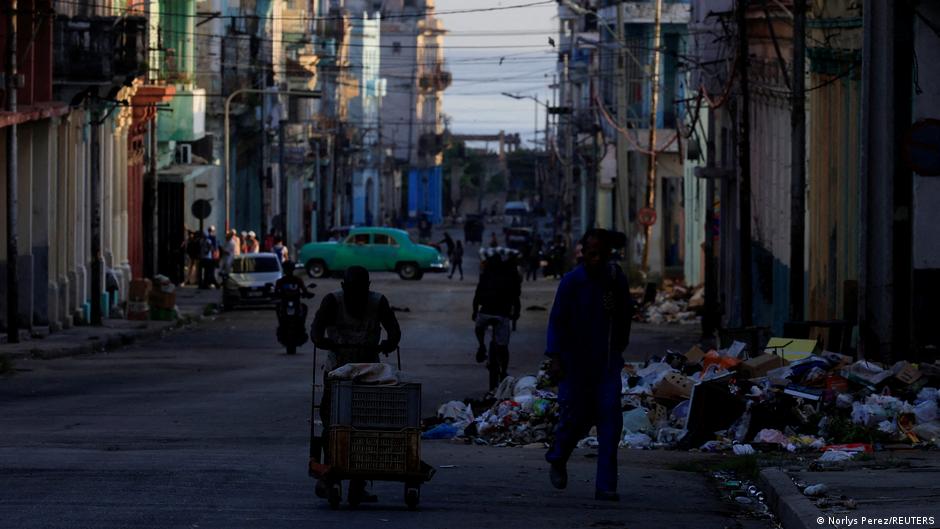
The US begins delivering a $100 million humanitarian aid package to Cuba amid sanctions and military tension, impacting digital payments and financial sectors.

The IMF has approved a €604 million disbursement to Ukraine following satisfactory progress in its Extended Fund Facility program, supporting economic and digital sector resilience.

The death of Iran’s Supreme Leader Ali Khamenei and subsequent regional tensions pose risks to digital banking, payments, and cybersecurity in the Middle East’s fintech sector.

Russian drone and missile strikes in Ukraine fell 29% and 15% respectively in June, signaling potential shifts in military tactics and industrial constraints amid ongoing conflict.

Former President Trump praised Zelensky's resilience in the Russia-Ukraine war and criticized European diplomatic stances, highlighting potential impacts on global fintech and economic stability.

The US Senate approved a resolution urging troop withdrawal from Iran conflict zones amid peace talks, highlighting potential impacts on sanctions, digital payments, and fintech sectors.

Far-right businessman Abelardo de la Espriella wins Colombia's presidency, promising economic deregulation and enhanced security cooperation with the U.S.

The US may impose fees on ships passing through the Strait of Hormuz amid Iran deal uncertainty, affecting energy trade and digital payment systems in a key maritime corridor.

US intelligence warns that Israeli Prime Minister Netanyahu may try to disrupt the US-Iran deal, raising concerns about regional stability and potential impacts on fintech and digital economy sectors.

US envoy Stephen Whitlock arrives in Switzerland to resume Iran nuclear deal talks amid regional conflicts affecting financial and digital economy prospects.

The US has lifted its naval blockade of the Strait of Hormuz, enabling record oil shipments and initiating a 60-day negotiation period with Iran to finalize a peace deal.

France, Germany, UK, and Italy endorse the US-Iran peace deal, stressing rapid implementation, nuclear non-proliferation, and restoring fuel supply through the Strait of Hormuz.

Iran has replenished its missile arsenal to three-quarters of pre-conflict levels, likely aided by Russian weapons transfers during a truce with the US, impacting regional security and energy markets.

Trump cancels planned US strikes on Iran amid diplomatic progress, impacting energy flows, cybersecurity risks, and fintech markets in the Middle East.

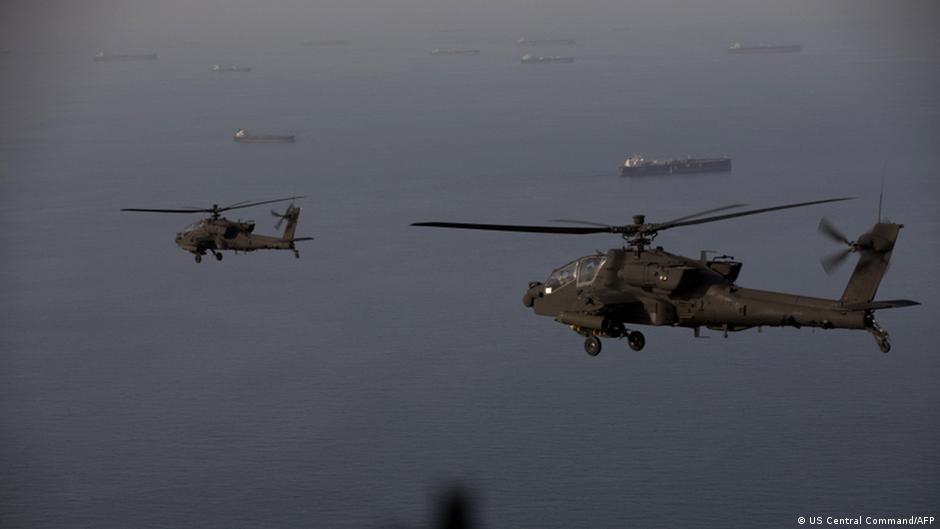
US forces struck Iranian air defenses after Iran downed a US Apache helicopter near the Strait of Hormuz, heightening regional security and financial market risks.

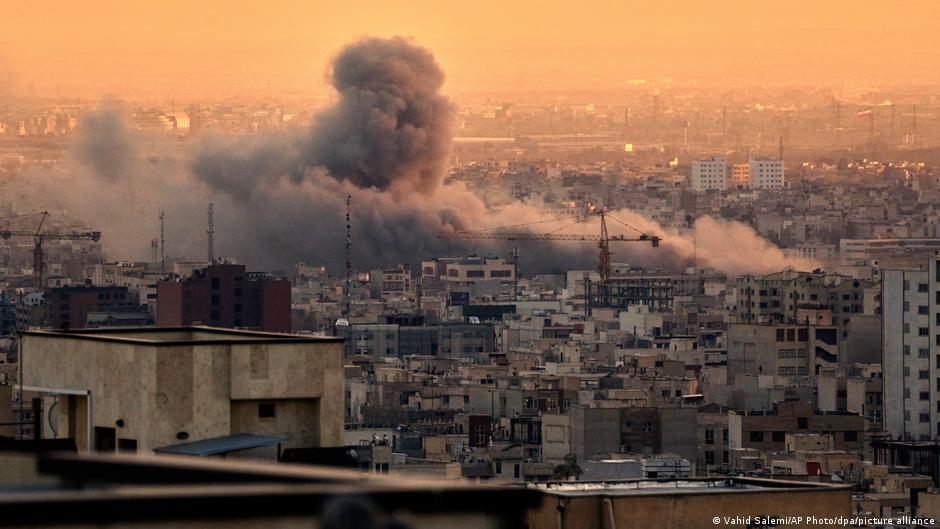
Israeli airstrikes on Iran escalate tensions amid US-led peace talks, posing risks to fintech, digital payments, cybersecurity, and tech sector stability in the Middle East.

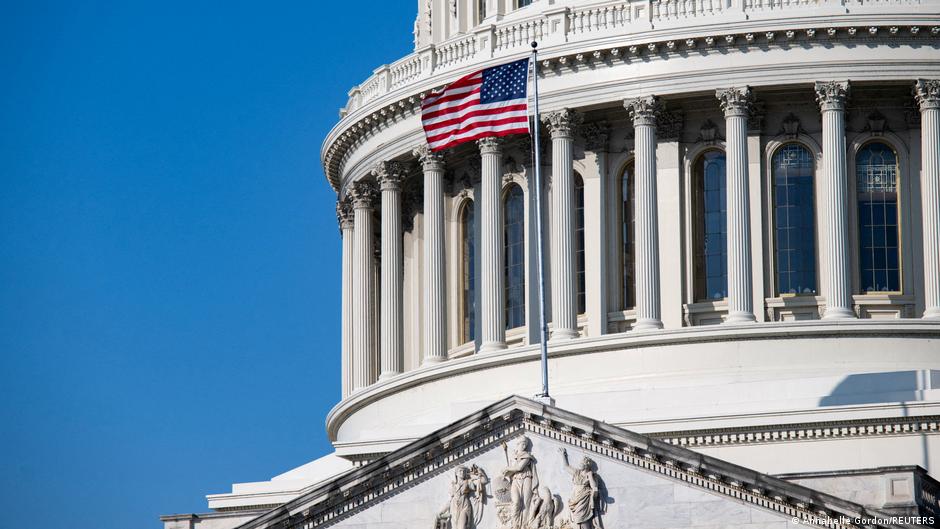
The U.S. House passed a resolution limiting President Trump's ability to continue war with Iran without Congress approval, signaling shifting political dynamics and implications for fintech and cybersecurity.

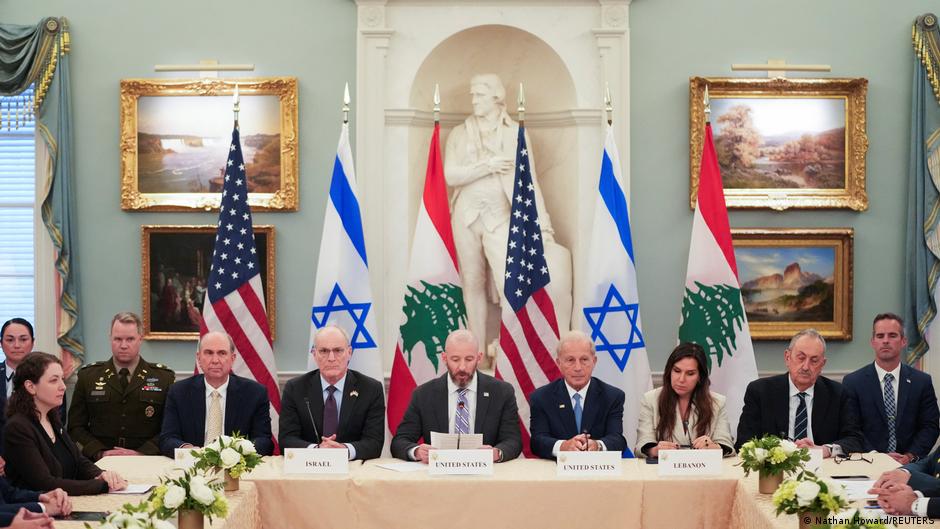
Israel and Lebanon, with US mediation, agreed on a ceasefire requiring Hezbollah’s withdrawal and new security zones, aiming to stabilize the region and support economic resilience.

Donald Trump harshly criticized Israeli PM Netanyahu over Lebanon strikes, highlighting risks to regional stability and US diplomatic efforts amid escalating conflict.

Trump's statement on Iran's uranium stocks underscores geopolitical risks impacting fintech, digital banking, and cybersecurity amid escalating tensions.

Ukraine and European leaders discuss enhanced diplomatic efforts and defense support to end Russia's war, highlighting shifts in geopolitical and digital economic dynamics.

Hungary reinstates its ban on Ukrainian agricultural imports after a procedural error led to its lapse, affecting regional trade and fintech payment ecosystems.

President Trump announces deployment of 5,000 additional US troops to Poland, reversing earlier plans and reflecting shifts in US military posture in Europe.

EU and US condemn Israeli minister's video humiliating detained Gaza flotilla activists, raising ethical and diplomatic concerns over digital media use in conflict.

The UK has authorized indefinite imports of diesel and kerosene refined from Russian oil in third countries, easing sanctions to stabilize fuel supplies amid rising energy costs and geopolitical tensions.

Moscow has approved Clemens von Goetze as the new German ambassador amid heightened Russia-Germany tensions affecting fintech and digital economy relations.

Two major London rallies on May 16 exposed social divides that may influence the UK's fintech sector through regulatory, cybersecurity, and investment channels.
Donald Trump reveals China’s interest in US oil and soybean purchases, signaling shifts in trade relations with implications for energy, commodities, and fintech sectors.

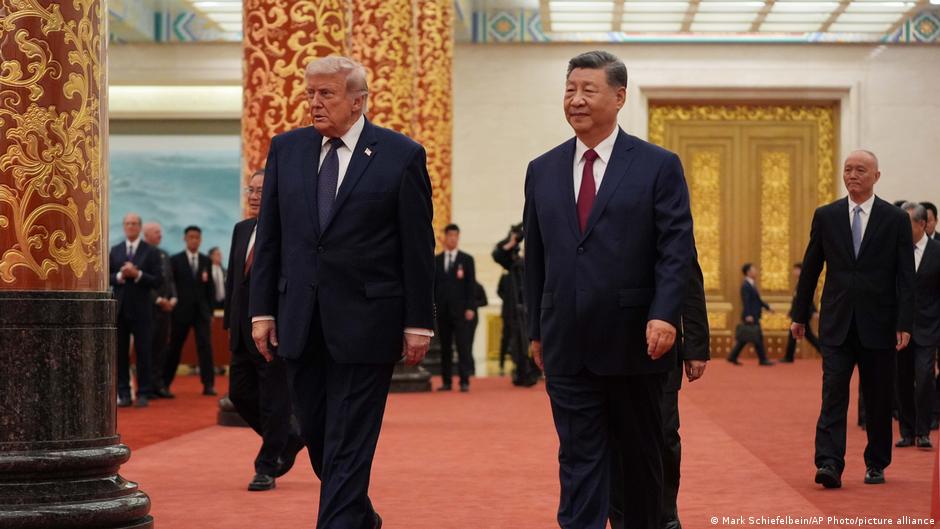
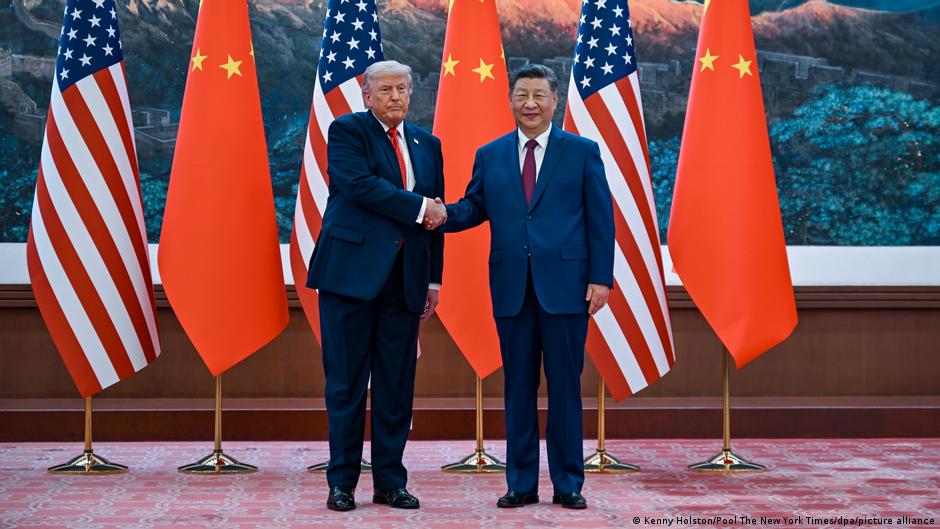
Trump's Beijing visit with Xi Jinping focuses on trade, energy security, and tech cooperation, influencing global fintech and digital economy sectors.

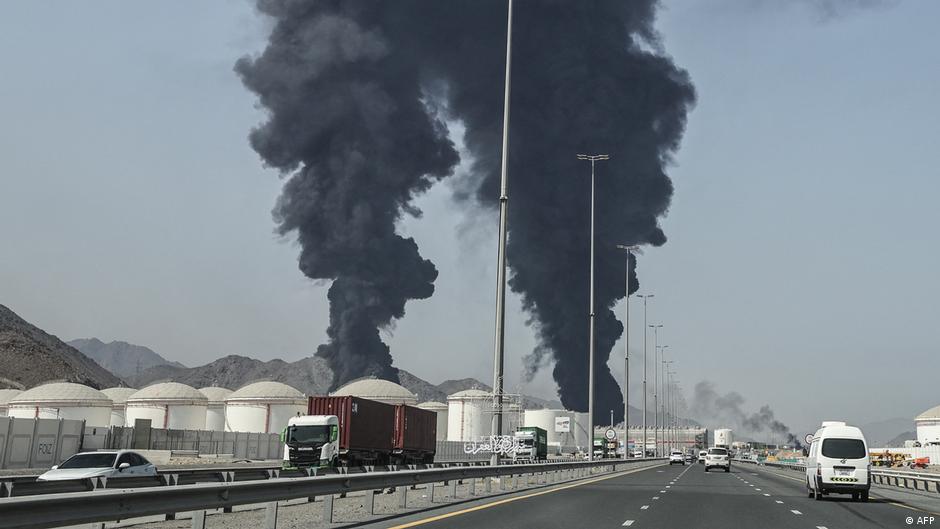
The UAE conducted secret military strikes on Iran’s oil facilities, escalating Gulf tensions and impacting regional economic and security stability amid ongoing drone attacks.

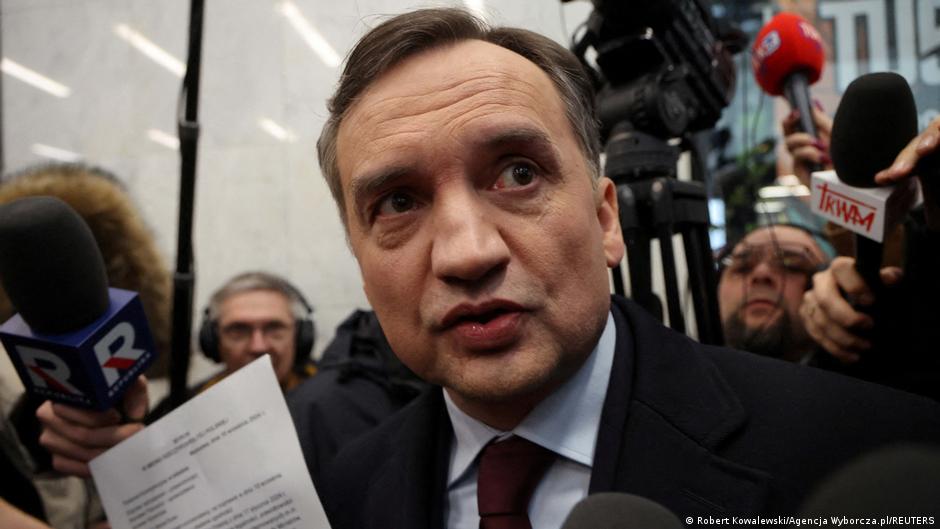
Following Hungary's political shift, former Polish Justice Minister Zbigniew Ziobro, wanted for corruption, has relocated to the US, raising fintech and cybersecurity concerns.