US Military Strikes Iran Following Apache Helicopter Downing Amid Rising Geopolitical Tensions
US forces launched retaliatory strikes on Iranian air defenses after the downing of an Apache helicopter near the Strait of Hormuz, escalating regional security risks.
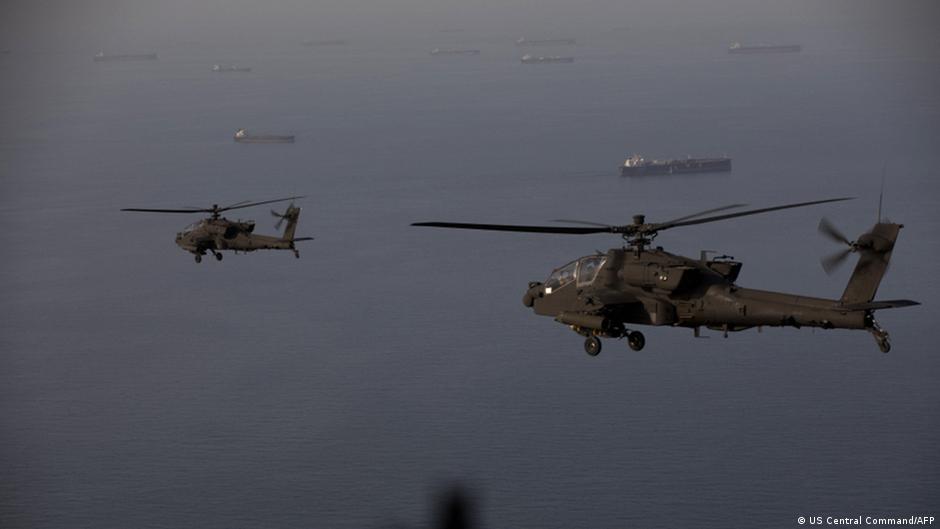
The United States military resumed strikes against Iranian targets on June 9 in response to the downing of an American Apache attack helicopter over the Strait of Hormuz. The Central Command of the US Armed Forces (CENTCOM) described the operation as a proportionate response to Iran's unprovoked aggression.
President Donald Trump emphasized the necessity of a strong and decisive response during an interview with ABC News, stating, "The response must be very strong, very powerful, and it is exactly that." According to US media outlet Axios, the strikes targeted several Iranian air defense systems and radar stations near the strategically vital Strait of Hormuz.
Iranian media reported explosions on the southern coast proximate to the Strait, specifically in the cities of Sirik and Minab, as well as on Qeshm Island. The semi-official Tasnim News Agency noted these blasts, which came amid escalating military tensions in the region.
Escalating Military Actions Impact Regional Stability and Tech Infrastructure
Iranian Foreign Minister Abbas Araghchi issued a stern warning on social media, promising retaliatory measures and urging US forces to vacate the region to ensure their safety. "Our powerful armed forces will not leave any attack or threat unanswered," he declared.
"Despite battlefield setbacks, the US chose to test our determination. Our powerful armed forces will respond to any attack or threat without exception." — Abbas Araghchi, Iranian Foreign Minister
The Islamic Revolutionary Guard Corps (IRGC) later confirmed missile and drone launches aimed at US targets in the region, marking a significant escalation in hostilities. CENTCOM announced the completion of the strike campaign within hours, having targeted Iranian air defense installations, ground command posts, and radar facilities.
The Apache helicopter was reportedly downed following a collision with an Iranian drone, although official statements have not clarified whether this was accidental or deliberate. Both helicopter pilots survived unharmed.
This confrontation occurs amid a backdrop of ongoing hostilities involving the US, Israel, and Iran. Just days prior, Iran launched missile strikes on Israel for the first time since April, citing Israeli attacks on Hezbollah strongholds in Beirut as the provocation. Israel responded with renewed strikes on Iranian positions, though both parties declared a ceasefire on June 8.
Interestingly, mere hours before the retaliatory strikes, President Trump indicated optimism about a potential peace agreement with Tehran, suggesting the deal was nearing completion within days. This juxtaposition of diplomatic overtures and escalating military actions underscores the fragile and complex nature of geopolitical dynamics in the region.
From a fintech and digital economy perspective, these escalating geopolitical tensions carry significant risks for payments infrastructure and digital banking in the Middle East. The Strait of Hormuz is a critical chokepoint for global oil shipments, and instability can disrupt financial markets and increase volatility in tech stocks, particularly those linked to energy, cybersecurity, and defense sectors.
Moreover, increased hostilities raise cybersecurity risks, as state and non-state actors may intensify cyber operations targeting critical financial and communications infrastructure. Financial institutions and digital payment platforms operating in or linked to the region should remain vigilant to mitigate emerging threats.