Putin Says Armenia’s EU Membership Bid Would Mean Exit From EEU
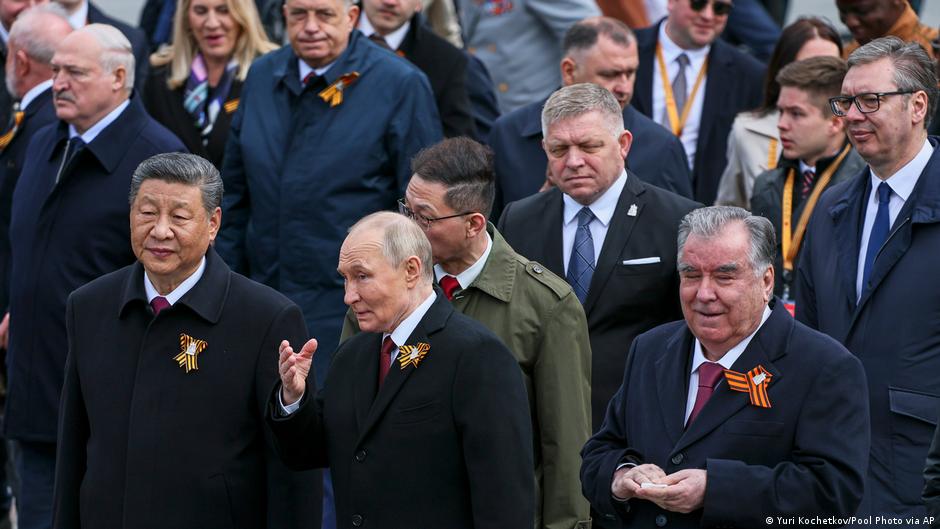
Putin told Pashinyan that Armenia’s move toward EU membership would amount to leaving the EEU, escalating a dispute with implications for trade and finance.

Putin told Pashinyan that Armenia’s move toward EU membership would amount to leaving the EEU, escalating a dispute with implications for trade and finance.

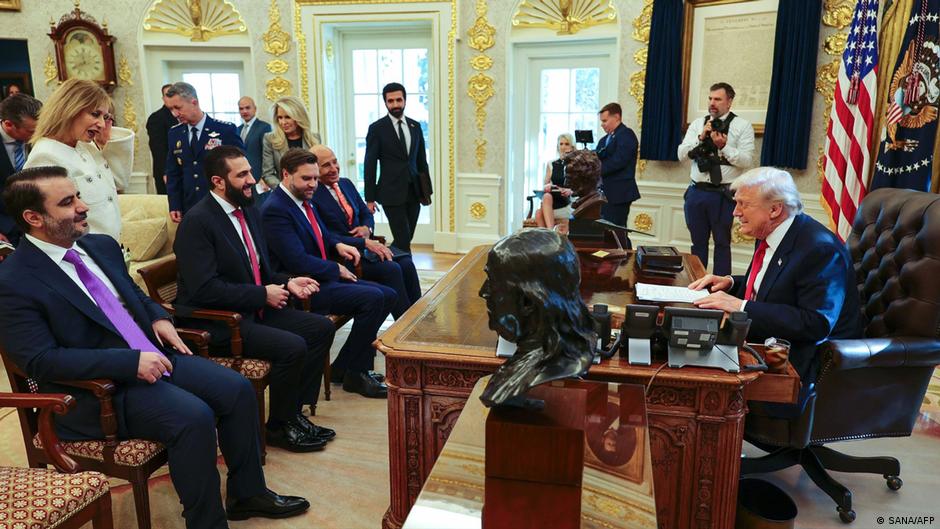
The US removal of Syria from the terrorism sponsor list opens pathways for economic integration, fintech growth, and digital banking expansion amid complex regional geopolitics.

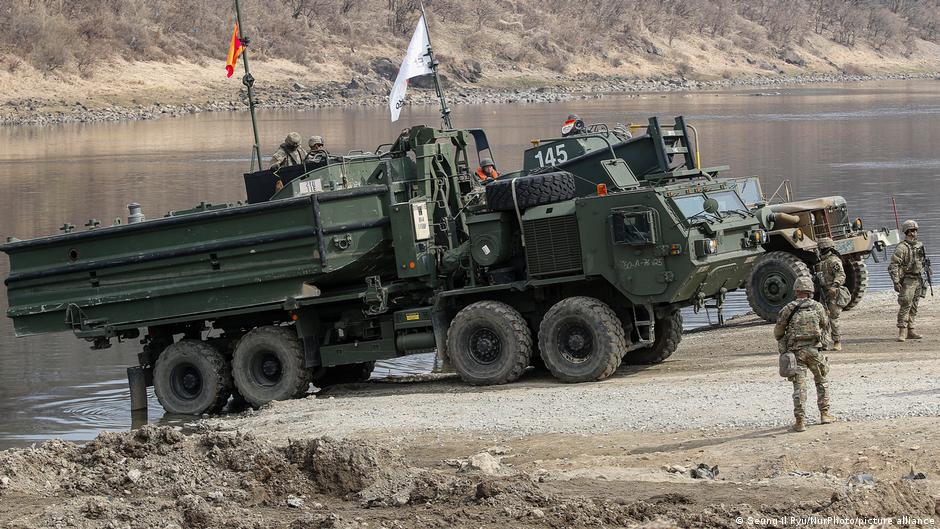
The US will reduce joint military exercises with South Korea, citing costs and diplomacy with North Korea, impacting regional stability vital to fintech and cybersecurity sectors.

Jared Kushner’s talks with Hamas leaders highlight how Middle East geopolitical tensions affect fintech, digital banking, and cybersecurity amid ongoing Gaza conflict.

The US announces a historic agreement with Hamas for full disarmament, marking a key step toward peace and potential growth in the region's digital economy and fintech sectors.

Greece's spike in Schengen visa denials for Russians challenges travel and fintech sectors amid stricter EU security policies impacting payments and digital banking.

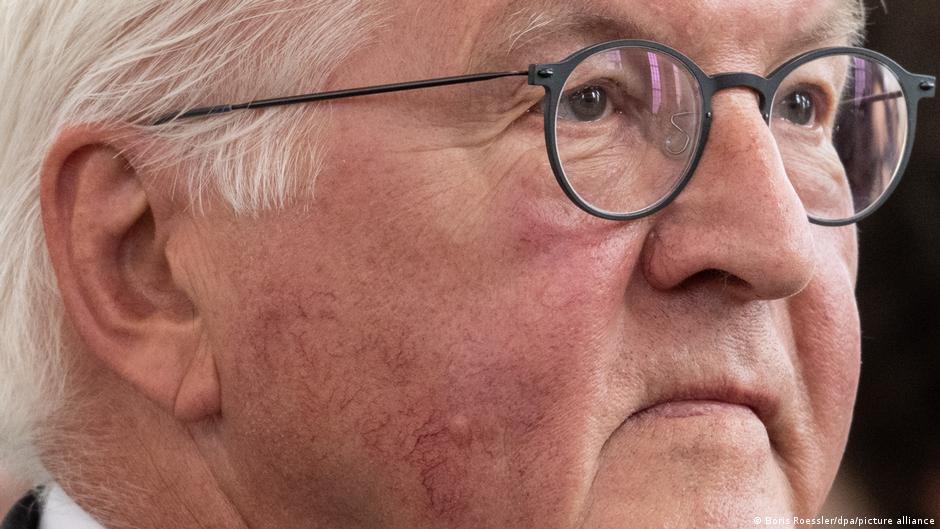
German President Steinmeier urges Europe to uphold international order amidst geopolitical challenges, emphasizing the impact on digital economy, fintech, and cybersecurity.

France and Italy question the EU's proposed ban on Russian combatants' entry, fearing it may extend to all Russian nationals, complicating fintech compliance amid sanctions.

Russia imposes fuel purchase limits in 53 regions due to refinery attacks, disrupting oil production and challenging digital payment systems linked to fuel sales.

The US and Iran agreed on a communication channel to prevent incidents in the Strait of Hormuz, aiming to finalize broader agreements within 60 days, impacting regional security and fintech sectors.

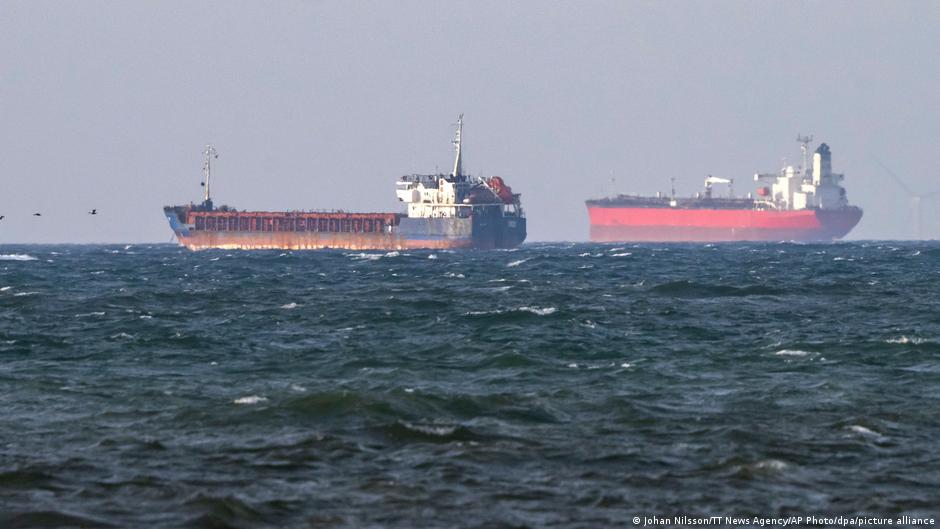
The US may impose fees on ships passing through the Strait of Hormuz amid Iran deal uncertainty, affecting energy trade and digital payment systems in a key maritime corridor.

22 countries, including the US and Europe, condemn Iran's IRGC for orchestrating attacks on dissidents and Jewish communities, with major cybersecurity and fintech implications.

Germany pledges an additional €300 million to support the Czech initiative supplying 50,000 rounds of ammunition to Ukraine amid fewer NATO donors.

Georgia arrests Russian Tatiana Kurashkevich over sanctions evasion amid FBI request, spotlighting risks in cross-border fintech compliance and financial crime enforcement.

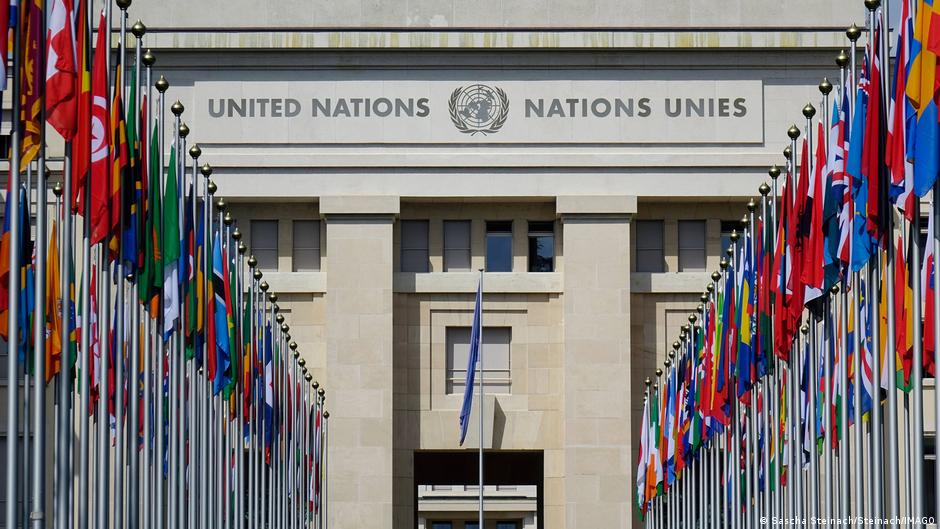
Delayed payments from the US and China threaten the UN's budget stability, forcing drastic cuts and operational changes with broader fintech sector implications.

Ukraine imposes sanctions on 32 Russian firms and 34 individuals tied to military production, extending measures to curb Russia's defense supply chains and financial networks.

US Chargé d’Affaires Julie Davis to leave Kyiv amid tensions with Trump policies, raising concerns over diplomatic stability and impacts on Ukraine’s digital economy.

The US-mediated truce extension between Israel and Lebanon offers potential stability to enhance fintech and digital economy growth in the region.

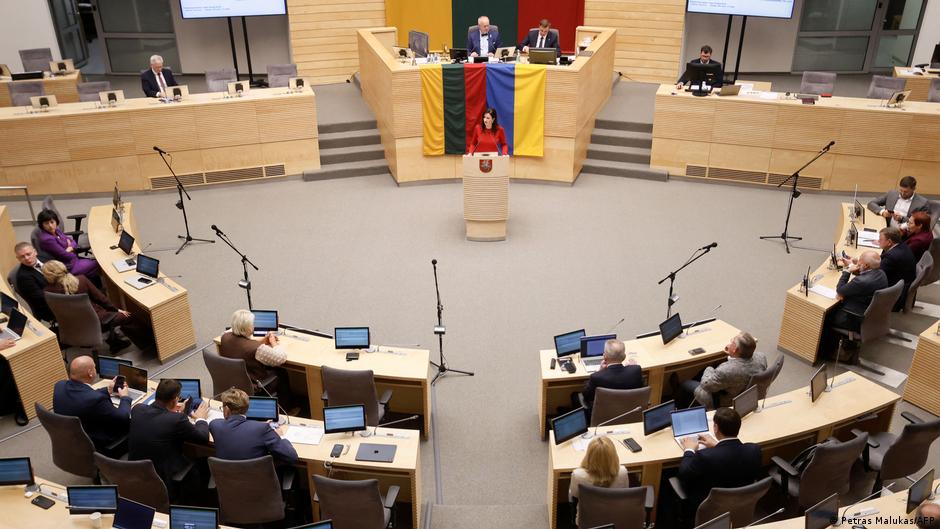
Lithuania and Latvia have blocked Slovak PM Robert Fico’s flight to Moscow on May 9, reflecting geopolitical tensions impacting European airspace and regional fintech sectors.

The US has extended its waiver on sanctions for Russian oil shipments until May 16, raising concerns about sanction evasion and implications for fintech compliance and digital payments.