US Extends Suspension of Sanctions on Russian Oil Shipments Until May 16
Washington prolongs license allowing sale of Russian oil already loaded on tankers amid global energy market tensions.
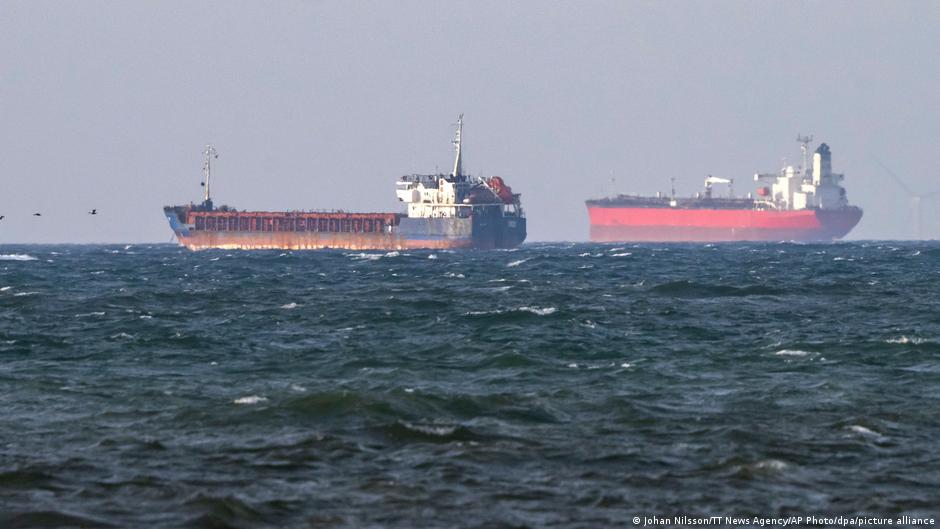
The United States has extended the suspension of sanctions on Russian oil and petroleum products already loaded onto tankers until May 16, according to recent reports. This extension comes despite earlier statements from the US Treasury Secretary indicating that the waiver would not be renewed.
The original exemption was introduced on March 13 as a temporary, narrowly tailored measure aimed at mitigating rising energy prices triggered by geopolitical tensions in the Middle East. The waiver was set to expire on April 11, after 30 days of implementation.
Temporary Relief Amid Energy Market Volatility
US Treasury Secretary Scott Bessent initially described the concession as a short-term action unlikely to significantly affect Russian oil revenues. However, subsequent analyses revealed a substantial impact on Russia's earnings from oil exports during this period.
"Following the easing of US sanctions, Russia reportedly gained over $100 million in additional daily revenue from oil sales," reports indicate.
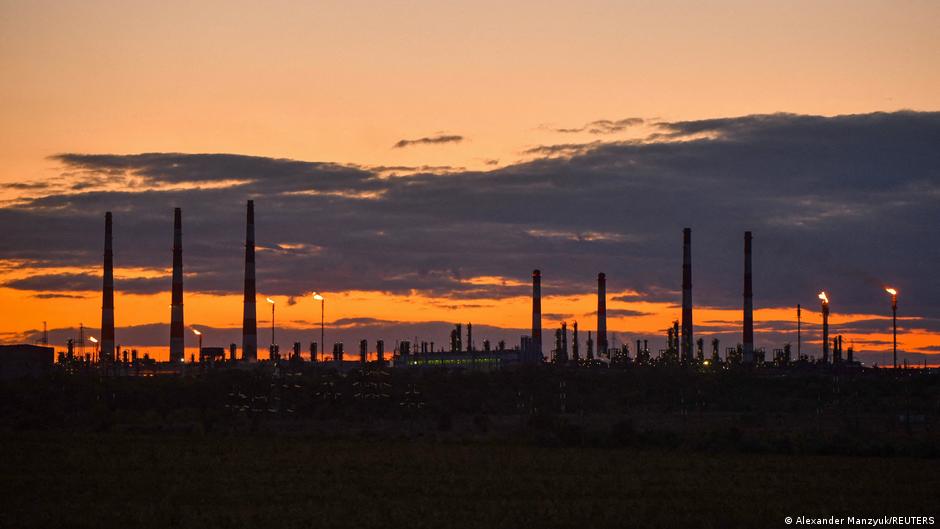
Data from the International Energy Agency (IEA) confirms that Russian oil revenues nearly doubled in March compared to February, reaching approximately $19 billion. This surge corresponds with the escalation of conflict in the Middle East.
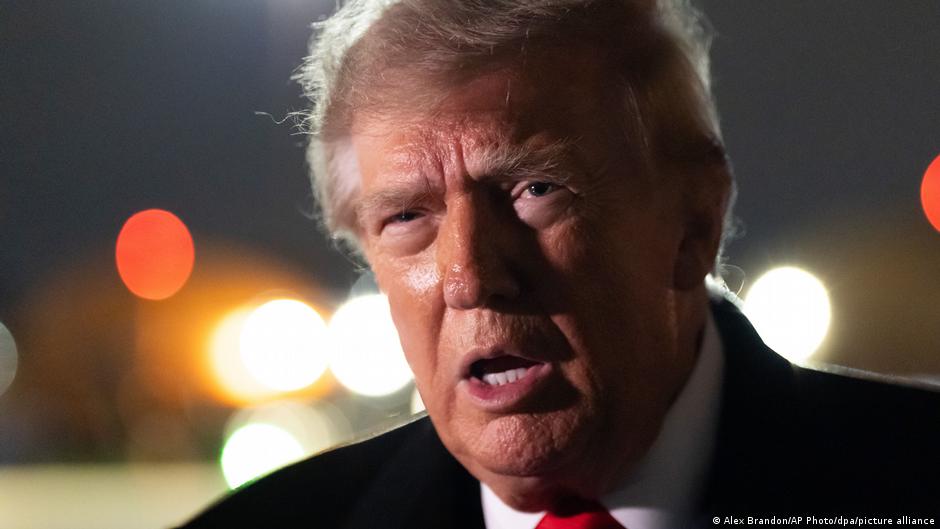
Despite these increased revenues for Russia, the easing of sanctions has had limited influence on global oil prices. The US administration under former President Donald Trump had sought to stabilize oil markets, but a significant portion of Russian oil continues to be transported via a so-called "shadow fleet" of tankers circumventing international sanctions, thereby complicating enforcement efforts.
Implications for Fintech, Digital Payments, and Sanctions Enforcement
From a fintech perspective, the extension of sanctions waivers highlights ongoing challenges in tracking and regulating international commodity payments and trade flows. The use of shadow shipping fleets and complex financial transactions to evade sanctions intensifies the need for advanced digital monitoring and compliance tools.
Financial institutions and payment processors involved in cross-border energy trade must enhance their cybersecurity and anti-money laundering (AML) frameworks to detect and prevent illicit transactions linked to sanctioned commodities. Additionally, digital banking platforms and crypto exchanges face growing pressure to implement robust know-your-customer (KYC) measures to avoid facilitating unauthorized payments.
This development also underscores the broader intersection between geopolitics and the digital economy. Sanctions enforcement increasingly relies on sophisticated data analytics, blockchain transparency solutions, and real-time transaction monitoring to maintain the integrity of financial systems.
As sanctions regimes evolve, fintech companies and regulators alike are tasked with adapting their tools and policies to address the complexities of sanction circumvention, including shadow logistics and obfuscated payment networks.