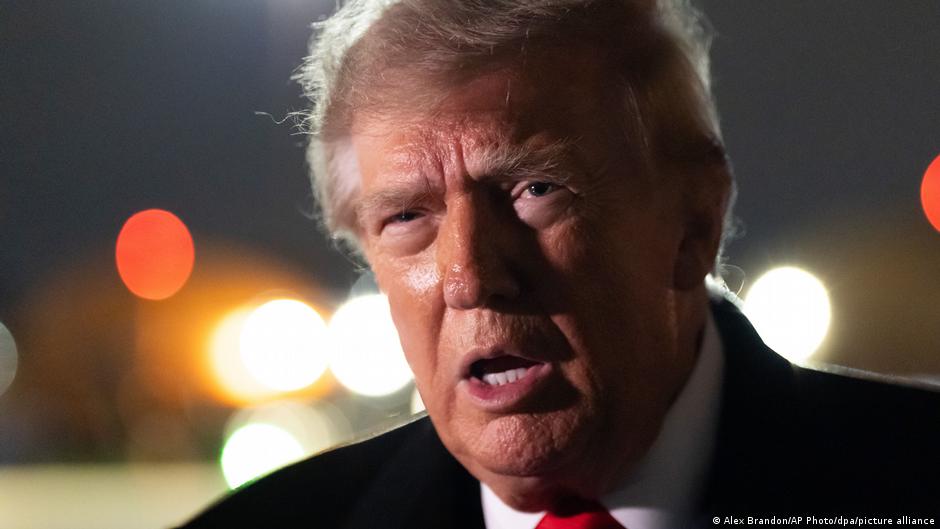
US Cuts Back Joint Military Exercises with South Korea Amid Geopolitical Shifts
President Trump orders significant reduction of US-South Korea drills, citing diplomatic and financial concerns impacting regional stability.
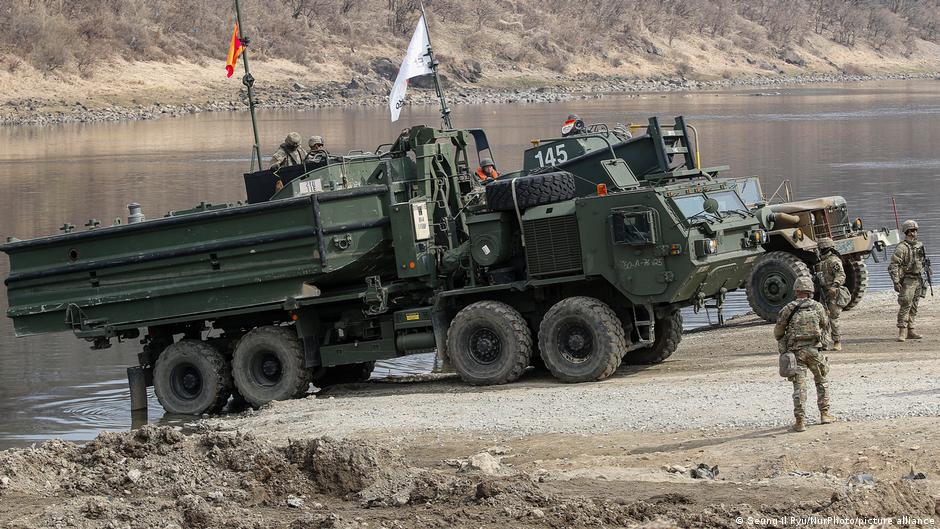
The United States will significantly reduce the scale of its joint military exercises with South Korea, a move announced by President Donald Trump via his social media platform on August 16. The decision marks a notable shift in US military engagement in the Asia-Pacific region and carries potential implications for the security environment, which consequently affects regional digital and fintech sectors sensitive to geopolitical stability.
Strategic and Financial Rationales Behind the Reduction
President Trump emphasized that the joint exercises, traditionally conducted to prepare for potential threats from North Korea, are not only costly but also send what he calls an "unnecessary and hostile signal" to Pyongyang. The president highlighted that the US shoulders the majority of the financial burden, underscoring an imbalance in defense contributions. Furthermore, Trump referenced his "very good relationship" with North Korean leader Kim Jong Un as a factor in reconsidering the scale of these maneuvers.
"These exercises not only are expensive, with the US bearing most of the cost, but they also send a completely inappropriate and hostile signal to a country that, while I am president, has posed no threat and has behaved respectfully," Trump wrote.
Trump also pointed out South Korea's reluctance to support Washington in its conflict engagements against Iran, suggesting a reevaluation of alliance dynamics that influence broader geopolitical and economic ties.
Implications for Regional Stability and the Digital Economy
The joint military drills, known as Ulchi Freedom Shield, slated to begin on August 17 and lasting 11 days, have historically been a cornerstone of US-South Korea security cooperation aimed at deterring North Korean aggression. These exercises have significant strategic importance, given that nearly 28,500 US troops are stationed in South Korea and the ongoing absence of a formal peace treaty since the 1953 armistice.
From a fintech and digital economy perspective, geopolitical stability in the Korean Peninsula is crucial. Heightened tensions often lead to increased cybersecurity risks, disruptions in digital payments infrastructure, and volatility in tech stock markets. South Korea is a leading hub for digital banking innovation and fintech adoption, and any shifts in security posture can affect investor confidence and cross-border digital commerce.
President Lee Jae-myung of South Korea has been pursuing rapprochement with North Korea since taking office last year, including a recent proposal for peace talks on August 15. However, no response has been received from Pyongyang as of this report. Successful diplomacy could reduce regional military tensions, fostering a more favorable environment for digital economy growth and fintech expansion.
Looking Ahead
Reducing the scale of military exercises may ease immediate geopolitical frictions but also raises questions about deterrence effectiveness. For fintech firms, payment platforms, and cybersecurity providers operating in or with South Korea, monitoring these developments is critical. Changes in regional security dynamics can influence regulatory priorities, risk assessments, and investment flows in the digital economy.
As the US recalibrates its military footprint and South Korea navigates its diplomatic path, the intersection of geopolitics and technology sectors will remain a key area to watch.