US Considers Charging Transit Fees for Strait of Hormuz Passage Amid Iran Deal Uncertainty
President Trump signals potential fees for Strait of Hormuz transit as geopolitical tensions with Iran impact regional trade routes.
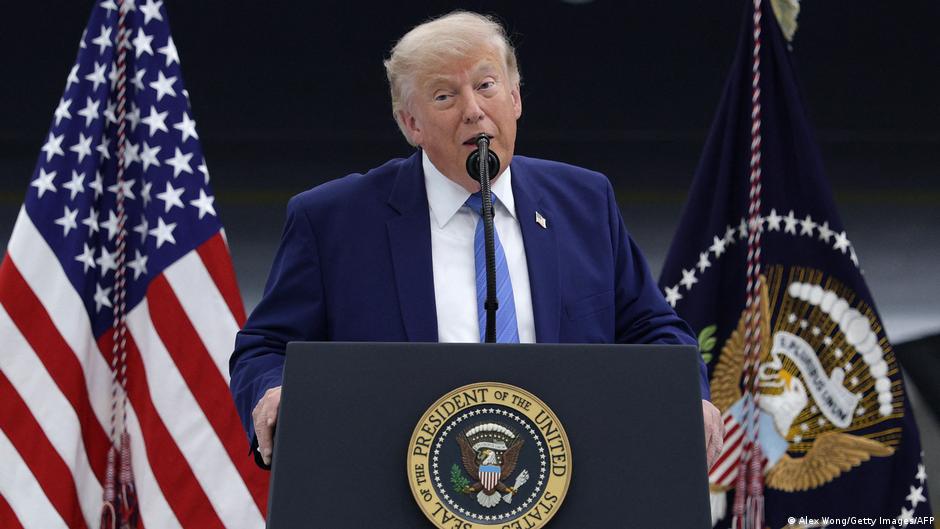
The United States has hinted at introducing fees for ships passing through the Strait of Hormuz if a nuclear deal with Iran fails to materialize, according to recent statements from President Donald Trump. This development underscores the growing intersection of geopolitical risks and economic controls in one of the world's most critical maritime chokepoints.
Implications for Global Energy and Digital Payment Systems
The Strait of Hormuz is a strategic waterway through which a significant portion of the world's oil supply is transported. Any imposition of fees or restrictions on passage could ripple through global energy markets, affecting not only traditional commodity trading but also the fintech ecosystems supporting cross-border payments and trade finance.
President Trump described the potential fee as a form of compensation for the "services" provided by the U.S., which he dubbed the "guardian angel" of Middle Eastern countries. The fee would act as a new revenue stream, potentially facilitated by advanced digital payment platforms that can handle secure, transparent transactions in politically sensitive contexts.
"The fee will serve as a reward for services provided by the United States, the guardian angel of Middle Eastern countries," President Trump stated on social media.
However, the U.S. administration has indicated that no fees would be collected during the 60-day ceasefire period agreed with Iran, emphasizing that the arrangement could continue without charges as long as the peace holds. The uncertainty surrounding long-term enforcement of such fees highlights the need for robust digital infrastructure to manage these evolving payment requirements efficiently.
Recent military and political developments have a direct bearing on maritime security in the region. The U.S. Central Command (CENTCOM) announced the lifting of the blockade on the Strait earlier this month, with record volumes of oil passing through—up to 12.5 million barrels in a single day, the highest since the onset of hostilities in February. This reflects a temporary easing of tensions but also signals volatility that fintech platforms and digital banks must monitor to assess risk in trade financing and payment settlements.
Iran, however, has responded by imposing new restrictions on ship passage following Israeli military actions in southern Lebanon, which Tehran claims breach the ceasefire terms signed on June 17. This tit-for-tat escalation threatens to disrupt maritime traffic and complicate payment flows in global energy markets further.
For the fintech sector, this confluence of geopolitical risk and trade disruption underscores the importance of agile digital banking solutions and secure blockchain-based payment systems. They can offer greater resilience and transparency for transactions in regions where conventional banking is challenged by sanctions, conflicts, and regulatory volatility.
As of now, approximately 60-80 vessels have transited the Strait during the brief ceasefire, compared to about 100 daily in peaceful times. This reduction, coupled with potential new fees, could accelerate the adoption of digital trade finance tools and alternative payment mechanisms by global energy traders and shipping companies looking to mitigate risk and manage costs.
In summary, the proposed U.S. toll on Strait of Hormuz transit, if enacted, could represent a novel intersection of geopolitics and fintech, where digital payment infrastructure will play a critical role in facilitating and securing international commerce under challenging geopolitical conditions.