Russian Ballistic Missile Strikes on Kyiv Highlight Ukraine’s Growing Air Defense Challenges
Renewed missile attacks on Kyiv and other regions expose Ukraine's struggle with limited Patriot missile supplies amid ongoing conflict.
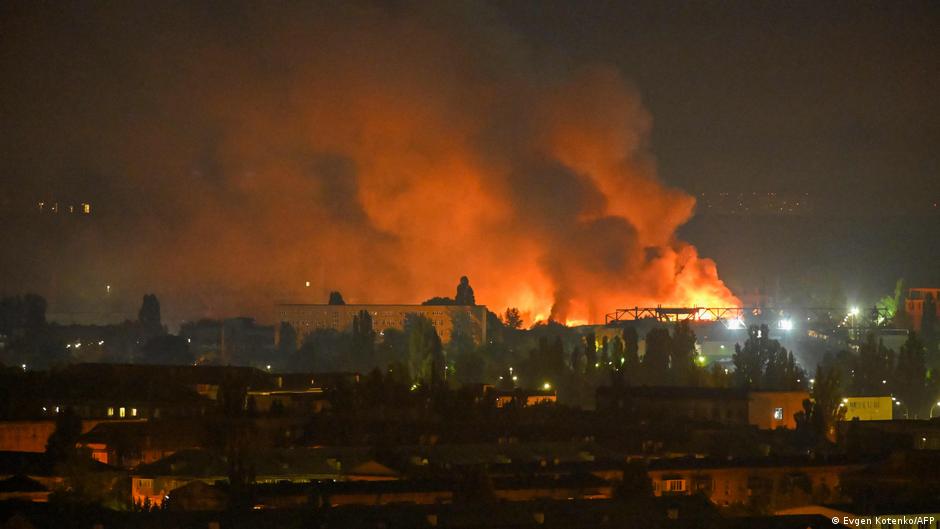
In the early hours of August 5, Russian forces launched a renewed ballistic missile strike on Kyiv and surrounding regions, resulting in casualties and significant damage. The attack underscored the increasing challenge faced by Ukraine’s air defenses, particularly due to shortages of American Patriot missiles critical for intercepting incoming ballistic threats.
Impact of the Missile Strikes on Kyiv and Adjacent Areas
Kyiv city authorities reported multiple fires and damage to non-residential buildings across several districts, including Obolon, Desnianskyi, Holosiivskyi, and one suburban area. Vitali Klitschko, Kyiv’s mayor, noted the destruction of a private residence in Holosiivskyi district, with the possibility of people trapped under rubble.
"In Kyiv alone, at least one person was killed and 12 were wounded in the missile attack," said the Kyiv City Military Administration, with the State Emergency Service of Ukraine reporting 15 injured within the city limits.
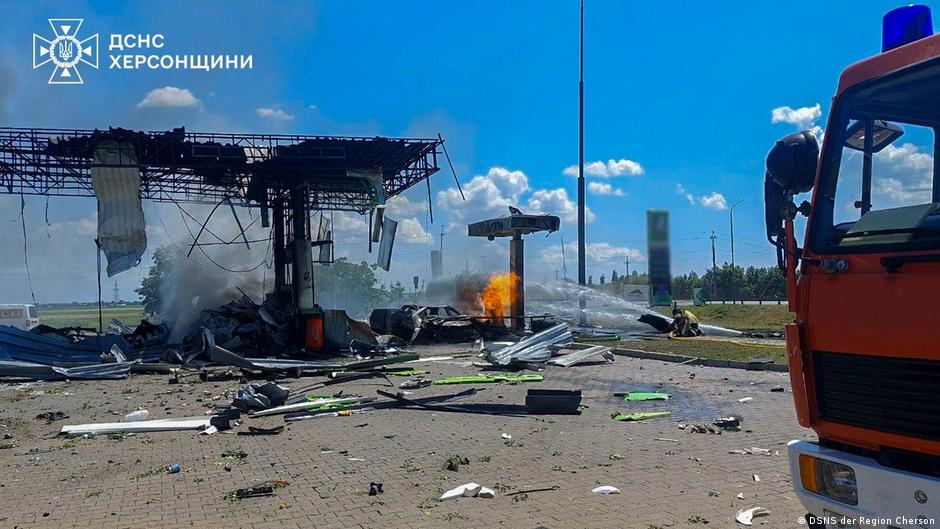
Outside the capital, the Kyiv Regional Military Administration detailed further damage and casualties in Bucha, Brovary, and Fastiv districts. A fatality was confirmed in Bucha, with a total of 21 civilians injured in the region. Brovary district recorded 13 wounded, Fastiv had three injured, and Bucha an additional five casualties. Fires broke out at logistics and warehouse complexes, industrial enterprises, and commercial facilities in Brovary and Bucha, while Fastiv saw fire damage at a local enterprise.
The Ukrainian Air Force also reported missile and drone strikes on several other regions during the same night, including Odessa, Zaporizhzhia, Dnipropetrovsk, Kharkiv, and Mykolaiv, illustrating the broad geographic scope of Russian attacks.
Strategic Implications for Ukraine’s Air Defense
Since the full-scale invasion began, Russian forces have frequently employed both ballistic missiles and unmanned aerial vehicles (UAVs) in coordinated attacks against Ukraine. On August 4 alone, Ukrainian Air Force officials confirmed an Iskander-M ballistic missile launched from Russia’s Rostov region along with a swarm of 136 attack drones. The Iskander missile evaded Ukrainian defense systems, highlighting vulnerabilities in air defense coverage.
President Volodymyr Zelensky has previously pointed out that Ukraine’s capacity to intercept such advanced missile threats is hampered by a shortage of Patriot surface-to-air missile (SAM) systems and their munitions. These American-supplied Patriots are a key component of Ukraine’s layered air defense strategy, especially against high-speed ballistic threats.
"The limited availability of Patriot missiles presents a critical challenge in protecting Ukraine’s cities from repeated ballistic missile attacks," security analysts say.
The persistent escalation in missile and drone strikes underscores the evolving nature of the conflict and the pressing need for enhanced air defenses. For Ukraine, sustaining the operational readiness of its Patriot batteries and securing additional missile supplies is essential to reduce civilian casualties and infrastructure damage. On the financial and technological front, the conflict continues to influence defense procurement policies and cybersecurity efforts, with global fintech and digital economy sectors closely monitoring the implications of warfare-driven demand for advanced missile defense technology and secure communications.
These developments have also affected regional markets and tech stocks related to defense and cybersecurity firms, as increased investments flow into companies producing advanced missile interceptors, drone countermeasures, and digital threat detection solutions.