Over 8.4 Million Ukrainians Reside Abroad Amid Ongoing Conflict, Impacting Digital Economy and Fintech
More than 8.4 million Ukrainians live outside the country, raising implications for digital payments, fintech services, and cross-border financial systems.
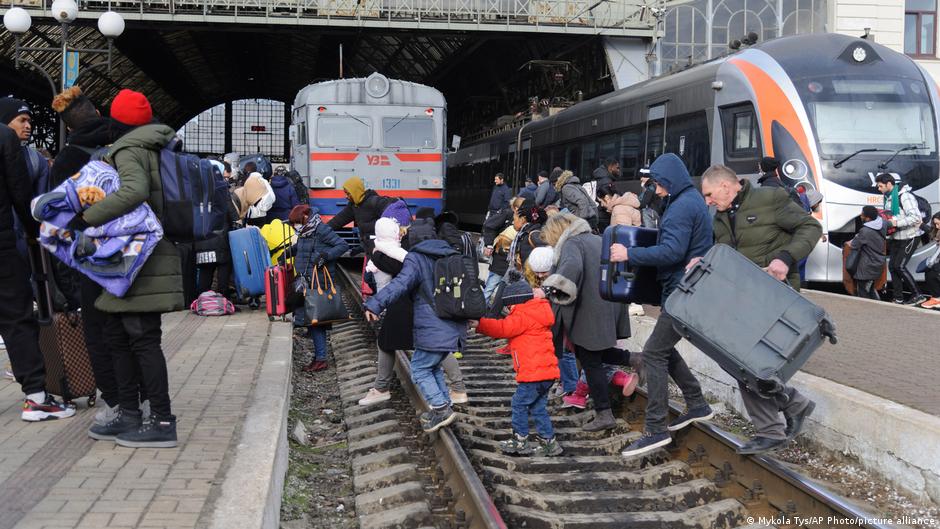
Recent statements by Ukraine's Ombudsman Dmitry Lubinets revealed that over 8.4 million Ukrainian citizens currently reside outside the country. This demographic shift has significant ramifications for the nation's fintech sector, digital banking, and payment ecosystems, particularly as Ukraine faces ongoing geopolitical challenges.
Mass Displacement and Its Economic Implications
Lubinets, addressing annual meetings of Ukrainian diplomatic missions abroad, highlighted that ensuring the rights and connectivity of expatriate Ukrainians remains a national priority. "More than 8.4 million of our citizens are outside Ukraine today. It is our duty to ensure each of them knows Ukraine remembers them and is ready to protect their rights," he stated.
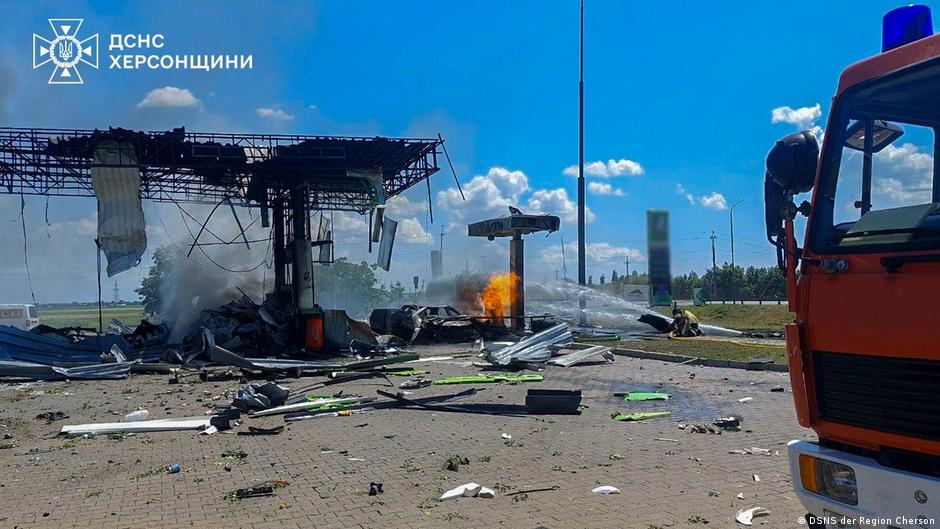
While Lubinets did not explicitly link the exodus to the conflict with Russia, the context is unmistakable. Since Russia's annexation efforts beginning in 2014 and the escalation to full-scale invasion, millions have left Ukrainian territories. The displacement figures underscore a profound impact on Ukraine's financial services industry, particularly digital banking platforms that provide cross-border money transfers and remittance services.
"Thousands of Ukrainians remain in captivity, and over 20,000 children have been unlawfully taken to Russia," Lubinets noted, reflecting the human cost intertwined with economic displacement.
According to the UN Refugee Agency (UNHCR), approximately 5.7 million Ukrainians fled the country since 2022 alone. The European Union hosts millions under temporary protection schemes, with Germany, Poland, and Spain being primary destinations.
Challenges and Opportunities for Fintech and Digital Payments
The large-scale migration presents both challenges and opportunities for fintech companies and digital payment providers. On one hand, the diaspora requires secure, efficient, and accessible financial services to send remittances back home, manage savings, or invest in Ukraine remotely. On the other, fintech firms must address cybersecurity risks heightened by geopolitical instability and ensure compliance with international financial regulations.
Furthermore, Ukraine's State Statistics Service estimates that around 27-28 million people remain in government-controlled areas, suggesting a substantial domestic market still accessible to digital financial solutions, albeit altered by population shifts.
Experts in digital economy note that integrating diaspora populations into digital financial ecosystems can stimulate economic recovery and growth. Enhanced digital banking services, blockchain-based remittances, and crypto-payment facilitations are likely to see increased adoption as displaced Ukrainians seek reliable financial connectivity.
However, the lack of up-to-date population data complicates strategic planning for fintech development. As Chief of State Statistics Arsen Makarchuk indicated, comprehensive demographic assessments can only be performed 1.5 to 2 years after the conflict's resolution.
In summary, Ukraine's substantial expatriate population presents a unique scenario for fintech innovation, demanding resilient, secure, and user-centric digital finance solutions that bridge borders and support economic stability amid ongoing conflict.