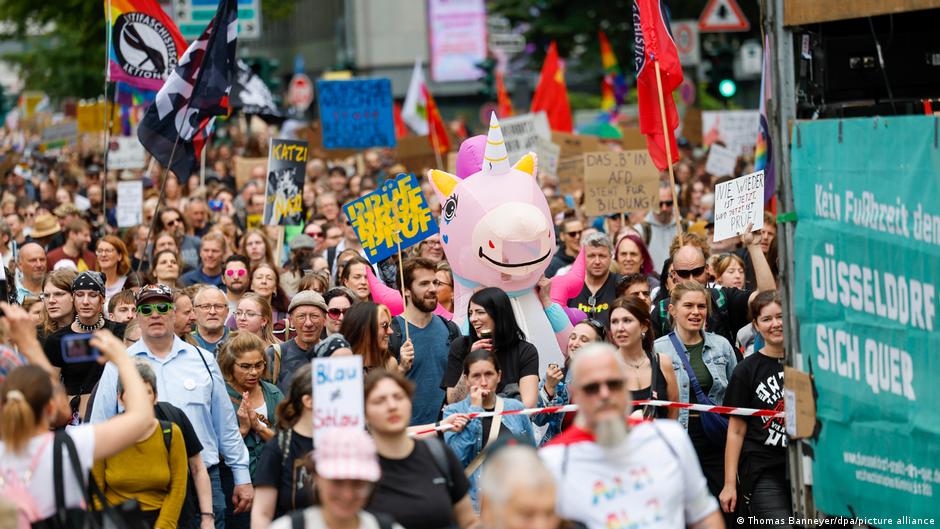
German Protests Against AfD Highlight Political Risk for Digital Economy
Mass protests against right-wing extremism in Germany underline political risk questions for fintech, digital banking and tech investors.

Mass protests against right-wing extremism in Germany underline political risk questions for fintech, digital banking and tech investors.

Finland completed a 200-kilometer Russia border fence, adding technical surveillance as Europe links physical security with digital risk.

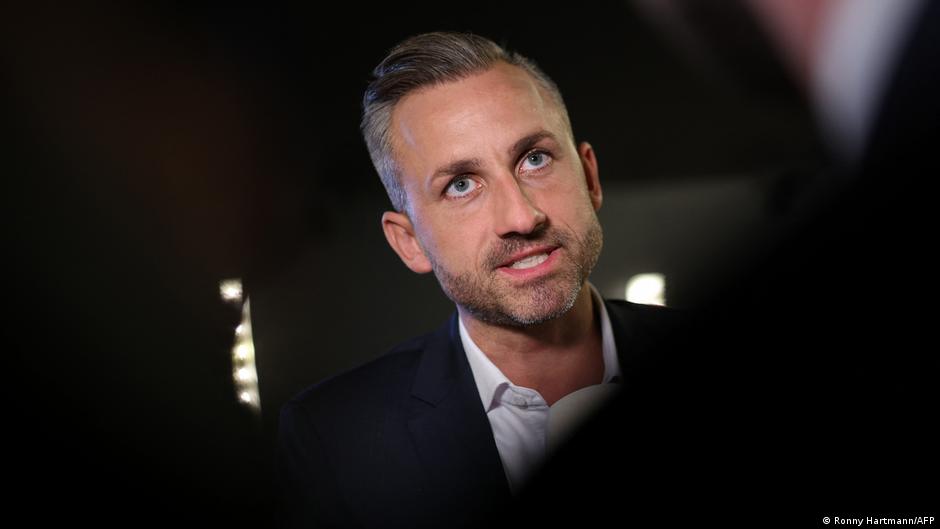
European leaders reacted sharply to AfD’s projected win in Saxony-Anhalt, a result that could heighten political risk for fintech and digital markets.

AfD won 43.8% in Saxony-Anhalt, but coalition uncertainty raises policy risk around energy, sanctions and the digital economy.

Putin backed using medically unfit volunteers for rear drone defense, signaling new pressure on Russia’s manpower, infrastructure and tech sectors.

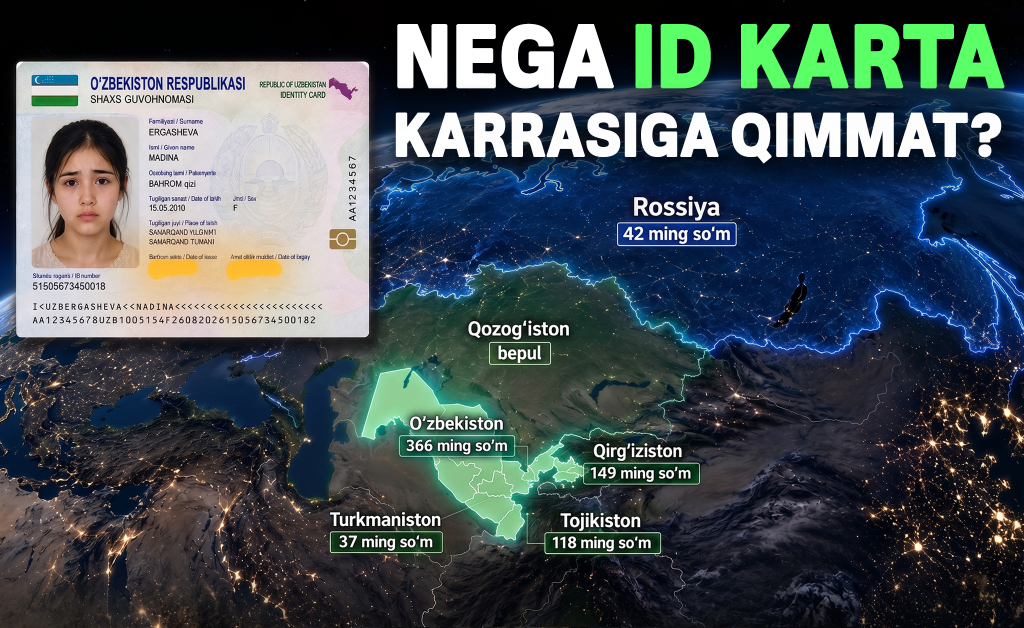
A debate over the cost of a first ID card in Uzbekistan is focusing attention on affordability, digital access and how regional peers price core identity documents.

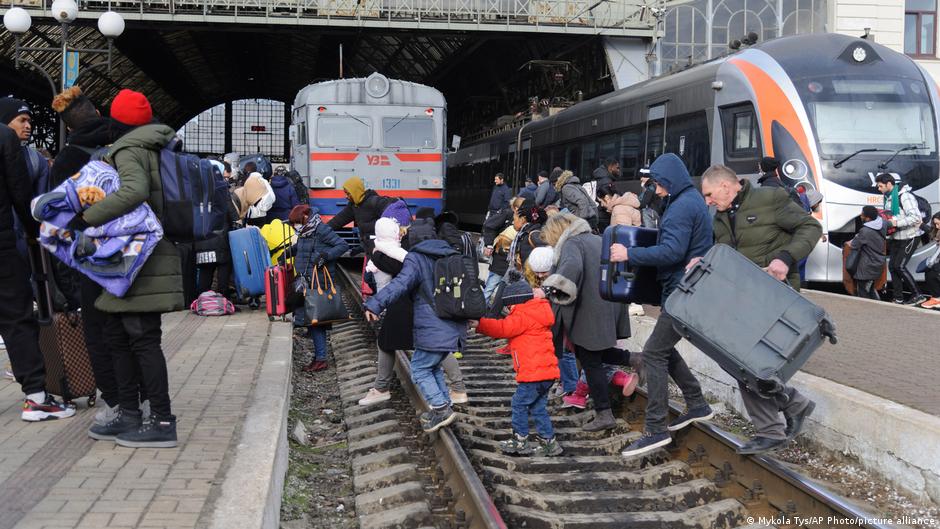
Over 8.4 million Ukrainians live abroad amid conflict, driving demand for fintech services, digital payments, and secure cross-border financial solutions.

The US will require visa bonds up to $20,000 from citizens of 50 countries to reduce visa misuse, impacting international payments and fintech solutions for cross-border travel.

An influx of nearly 60,000 migrants into the Spanish exclave Ceuta has triggered security measures, protests, and regional border suspensions, raising concerns for fintech, digital payments, and cybersecurity sectors.

Germany reports 410 individuals deemed Islamist threats, with rising consultations on radicalization and concerns over extremist influences on digital security and fintech sectors.
Montenegro will end visa-free entry for Russian and Belarusian citizens after October 2026, impacting fintech, digital payments, and cross-border economic ties amid EU integration efforts.

Russia proposes expanding military contract eligibility to convicts of serious crimes amid mobilization efforts, including banditry and drug smuggling charges.

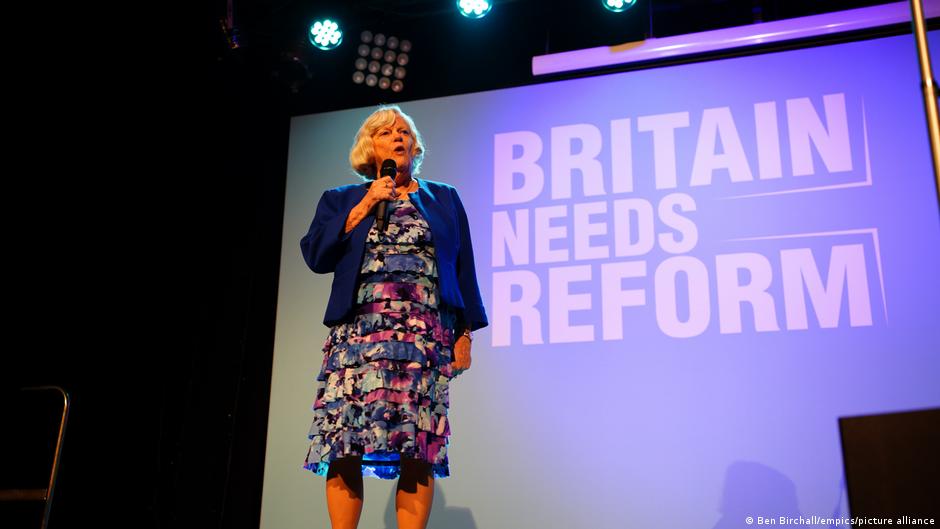
Ann Widdecombe, former UK MP and Reform UK speaker, was murdered; police do not suspect political motives. The case raises concerns about political security and digital safety.

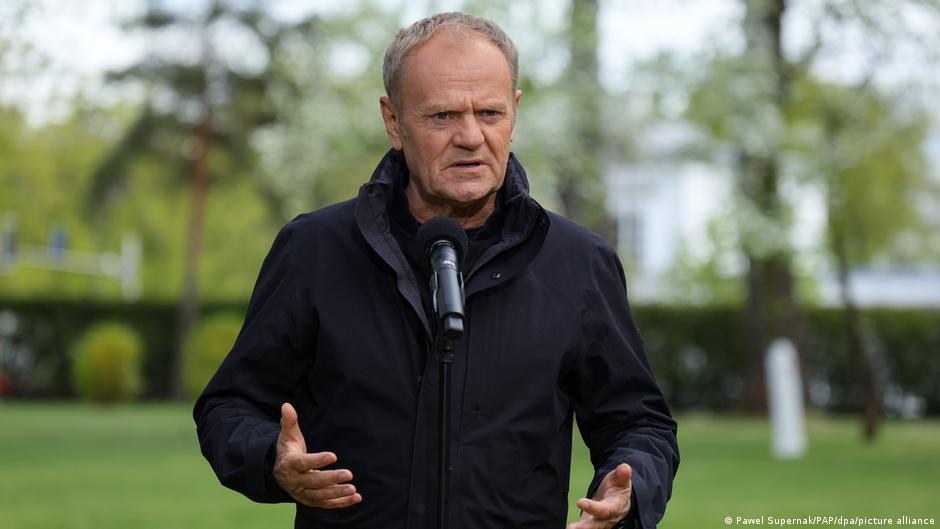
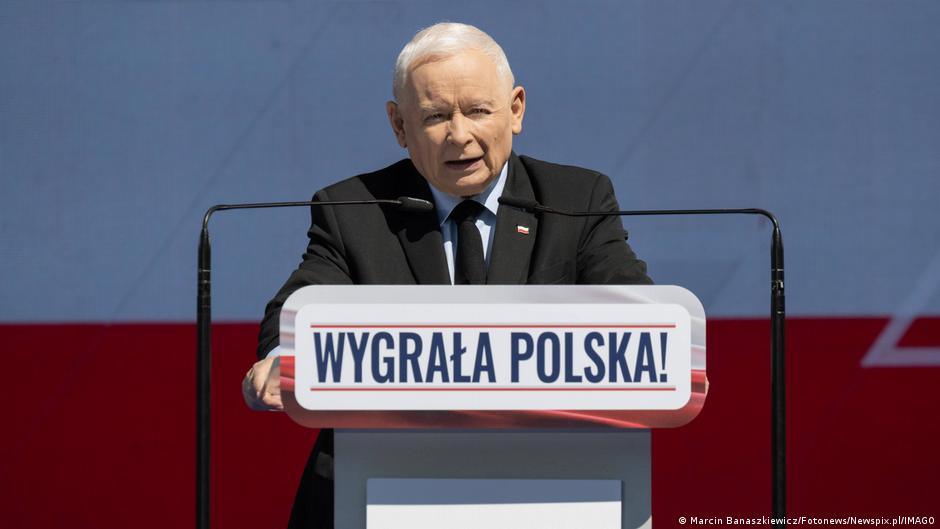
Polish opposition leader Jarosław Kaczyński urges blocking Ukraine's EU accession, citing diplomatic tensions and domestic political concerns amid ongoing regional challenges.

Russian anti-war activist Ilya Shkolny was granted asylum in Germany after multiple rejections, highlighting challenges for political refugees amid ongoing geopolitical tensions.

Belgium issued one-day visas to five Taliban representatives invited to Brussels for EU talks on Afghan deportations, highlighting complex migration and security challenges.

Far-right businessman Abelardo de la Espriella wins Colombia's presidency, promising economic deregulation and enhanced security cooperation with the U.S.

Germany’s workforce is projected to shrink by 4.3 million by 2036 due to baby boomer retirements and reduced migration, posing risks for its fintech and digital economy sectors.

The U.S. Congress approved $70 billion to fund immigration agencies, highlighting significant impacts on digital infrastructure, fintech, and cybersecurity within government operations.

A US judge has ruled the Trump-era $100,000 H-1B visa fee unlawful, easing access to tech talent critical for the fintech and digital economy sectors.

Russia warns Armenia that deepening EU ties may end duty-free gas and oil supplies, threatening energy security and economic cooperation amid geopolitical tensions.

Two major London rallies on May 16 exposed social divides that may influence the UK's fintech sector through regulatory, cybersecurity, and investment channels.

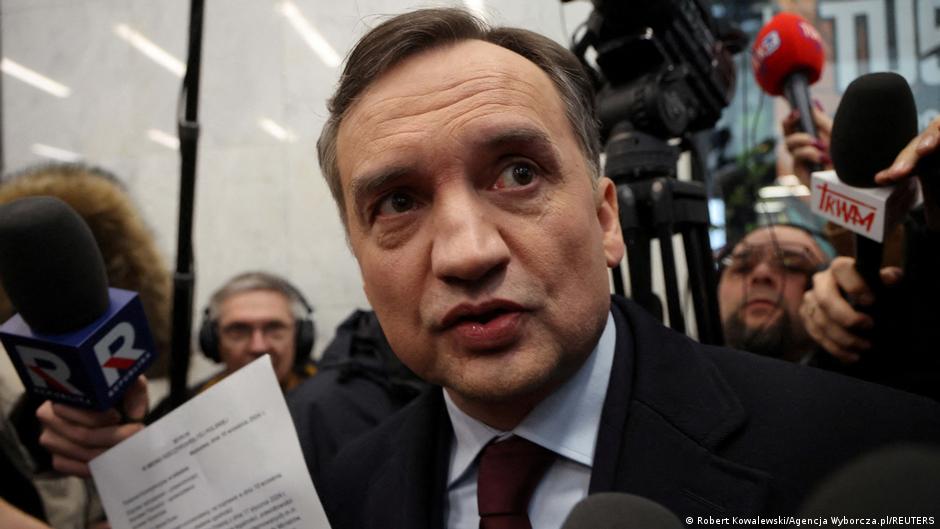
Following Hungary's political shift, former Polish Justice Minister Zbigniew Ziobro, wanted for corruption, has relocated to the US, raising fintech and cybersecurity concerns.

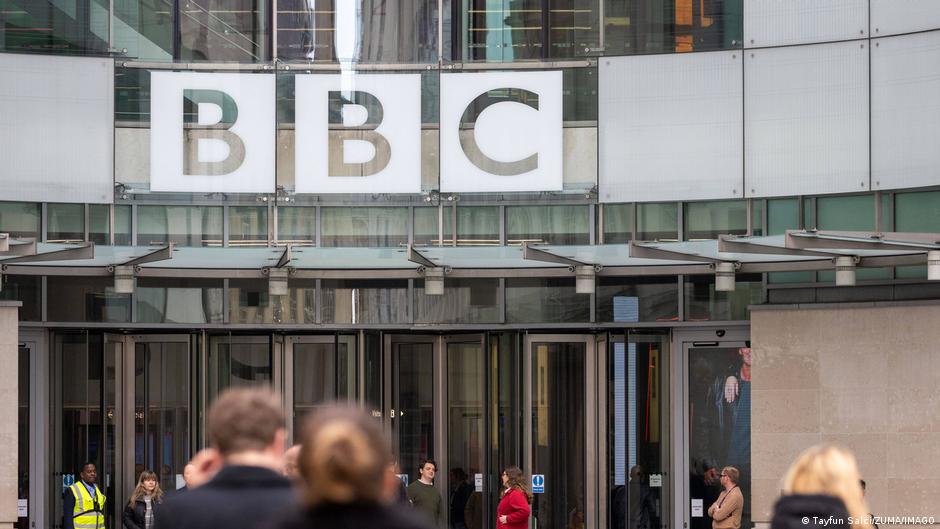
The BBC plans to cut about 10% of its staff to accelerate digital transformation amid financial pressures and changing media consumption patterns.