Germany Identifies 410 Islamist Threats Amid Rising Radicalization Concerns
Federal authorities report 410 individuals linked to Islamist extremism posing serious threats in Germany as consultations on radicalization remain high.
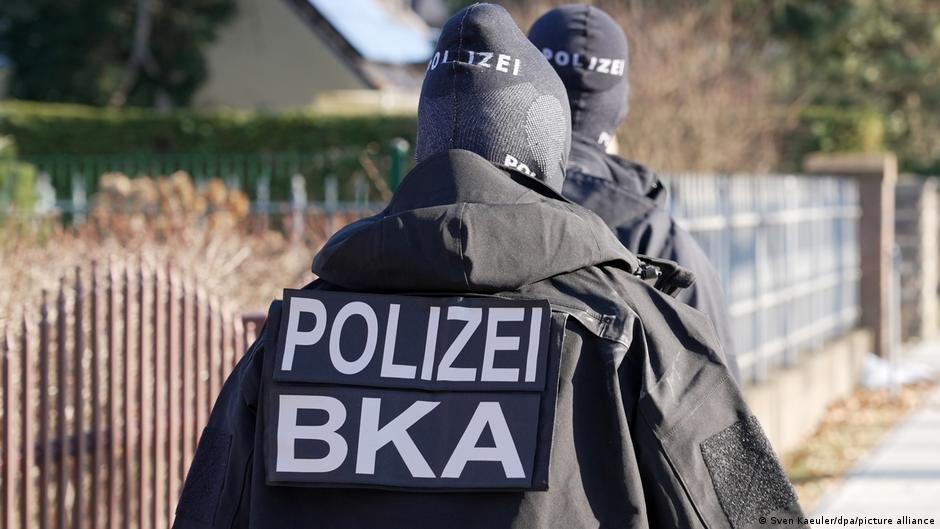
Germany's Federal Criminal Police Office (Bundeskriminalamt, BKA) has classified 410 individuals as threats due to Islamist-related activities as of July 1, 2026. This data highlights ongoing challenges in countering violent extremism and radicalization within the country.
Rising Islamist Threats and Radicalization Consultations
The Federal Office for Migration and Refugees' advisory center on radicalization recorded 165 consultation requests in the first half of 2026, signaling sustained public concern and institutional vigilance. The volume of consultations remains comparable to 2023 levels, underscoring a persistent demand for expert guidance on Islamist radicalization forms.
“The need for consultations regarding Islamist radicalization remains high, reflecting ongoing societal sensitivity and concerns,” a BKA representative commented.
Individuals assessed as threats are considered capable of committing serious violent crimes, including terrorist attacks. In addition to Islamist threats, 65 persons are categorized as potential right-wing extremists and 17 as potential left-wing extremists.
Responsibility for maintaining threat status lists lies with Germany’s federal states, with decisions to include or exclude individuals evaluated on a case-by-case basis, resulting in fluctuating numbers.
More than half of the consultation requests in 2025 came from official institutions such as schools, while nearly 43% originated from family members concerned about potential radicalization. Parents represented the largest group seeking advice. The average age of those potentially radicalized was slightly under 19 years.
Impact of the 2023 Hamas Attack and Case Study of Berlin Incident
The October 7, 2023, terrorist attack by the Palestinian Islamist group Hamas against Israel marked a turning point, heightening societal sensitivity to radicalization and increasing consultation rates.
One notable case linked to Islamist extremism is that of Abdul B., a 21-year-old Berlin native with Lebanese roots. He was involved in a violent attack during the Christopher Street Day (CSD) LGBTQ parade in Berlin on July 25, 2026, where he drove a white van into the crowd near Brandenburg Gate, injuring 29 people and killing one woman.
Abdul B. had recently been released from a juvenile detention facility where he was held on suspicion of planning a terror attack. German authorities revealed that in late 2025, he was detained at Berlin-Brandenburg Airport upon return from Lebanon and had previously attempted to travel to Syria with the intent to join the Islamic State.
Following the incident, German Interior Minister Alexander Dobrindt condemned the attack as an Islamist terrorist act. The head of the German Criminal Police Union, Dirk Peglow, criticized the handling of individuals suspected of Islamist tendencies, emphasizing the need for continuous attention and deradicalization efforts during and after incarceration.
Bavarian Interior Minister Joachim Herrmann described the court's decision to sentence Abdul B. to a suspended prison term in May 2026 as a "catastrophe," stressing the gravity of the threat posed by such individuals.
Implications for Digital Security and Financial Systems
The persistence of Islamist extremist threats in Germany poses significant challenges not only to public safety but also to the nation's digital infrastructure, including fintech and cybersecurity sectors. Extremist networks increasingly exploit digital platforms for recruitment, radicalization, and potential financing of terrorist activities, raising critical concerns around secure payments, crypto transactions, and digital banking monitoring.
Financial institutions and regulatory bodies must remain vigilant against misuse of digital economic tools by extremist actors. Enhanced cybersecurity protocols and advanced analytics in transaction monitoring are essential to detect and disrupt illicit financing channels linked to radicalization networks.
As Germany grapples with the complexities of violent extremism, coordinated efforts across law enforcement, social services, and the fintech industry will be essential to mitigate risks and protect both the digital economy and societal security.