Lula Wins Brazil Runoff as Election Challenge Clouds Digital Markets
The disputed result introduces political risk for Brazil’s payments, crypto, digital banking and technology investment landscape.

Brazilian President Luiz Inácio Lula da Silva has won a second-round presidential election, while his rival, Senator Flávio Bolsonaro, is demanding that the result be annulled. The dispute adds a layer of political uncertainty to Latin America’s largest economy and to one of the region’s most important markets for digital payments, online banking, cryptocurrency and technology investment.
According to the official results, the 80-year-old center-left incumbent secured 51.8% of the vote in the runoff held on Sunday, October 25. Bolsonaro, a right-wing populist and the son of former far-right President Jair Bolsonaro, received 48.2%.
The outcome marks the first time in Brazilian history that a presidential candidate who finished second in the opening round has gone on to win the election. Lula is now set to take the presidency for a fourth, nonconsecutive term.
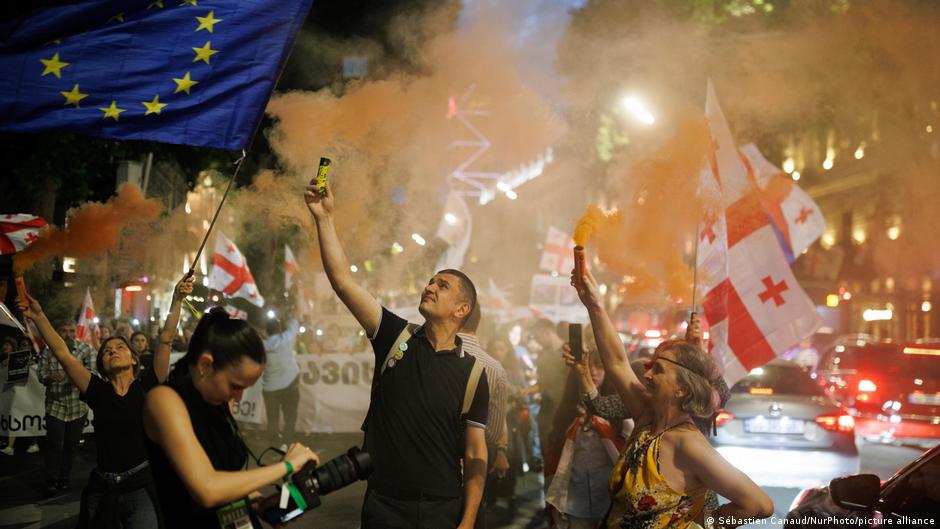
Celebrations followed the announcement of the results. Fireworks and the sound of vuvuzelas filled Rio de Janeiro, while thousands of people wearing red, the color associated with Lula’s Workers’ Party, gathered in the streets of São Paulo to celebrate his victory, AFP reported.
Election challenge raises questions for digital investors
Flávio Bolsonaro refused to concede and called for the result to be invalidated, citing the extension of voting hours, according to the Associated Press. Both Lula and Bolsonaro had earlier requested longer opening times for polling stations because of public transportation problems and adverse weather conditions in parts of Brazil.
Supreme Court Justice Cristiano Zanin ultimately ordered voting to remain open for two additional hours. The decision was issued just three minutes before polling stations had been scheduled to close.
The narrow result and the demand for annulment create a period of political uncertainty for companies and investors exposed to Brazil’s fast-moving digital economy.
The source article did not identify any immediate interruption to payment systems, banking services, crypto trading or financial-market infrastructure. Even so, a contested transition may command close attention from fintech operators and technology investors because regulatory policy, institutional stability and consumer confidence can influence funding conditions and the pace of digital adoption.
Brazil is a significant commercial arena for payment providers, digital banks and crypto businesses. For those companies, the election’s practical impact will depend on whether the legal challenge develops into a prolonged institutional dispute and how the incoming administration approaches financial regulation, competition, technology policy and cybersecurity. The reported results alone do not establish that policy will change in any specific direction.
Technology stocks and other Brazil-linked assets may also be sensitive to political risk, particularly if the challenge creates doubts about the timing or legitimacy of the next administration. Investors typically assess such uncertainty alongside broader economic conditions, but the source provided no market prices, share moves or currency data following the vote.
Economic pressure shaped the campaign
Lula’s fight for reelection was difficult amid public concern over the cost of living and rising crime. The campaign also unfolded against a backdrop of corruption scandals, economic instability and allegations of interference by the United States.
Those domestic pressures are directly relevant to the digital economy. Household finances influence demand for consumer credit, mobile commerce and digital payment products, while concerns about crime can increase scrutiny of fraud prevention, account security and the use of online financial channels. However, the election account did not specify new proposals from either candidate in these areas.
For digital banks, affordability and financial inclusion are likely to remain important commercial considerations as consumers manage elevated living costs. Payment companies will be watching for signs that political tensions affect consumer spending or merchant activity, while cybersecurity teams may prepare for heightened online misinformation, impersonation attempts or politically themed fraud. These are risk considerations rather than reported incidents linked to the election.
Crypto firms, meanwhile, face the same central question as other regulated financial businesses: whether the political dispute alters the predictability of government decision-making. The source did not report changes to cryptocurrency rules, central bank policy or enforcement, and it did not attribute a digital-asset platform to either side of the campaign.
The immediate political facts therefore remain the official 51.8%-to-48.2% result, Bolsonaro’s refusal to concede and his demand for annulment over the last-minute extension of voting. For fintech and technology markets, the next phase will be defined less by the celebratory scenes in Brazil’s largest cities than by the institutional response to the challenge and the degree of clarity surrounding Lula’s fourth term.