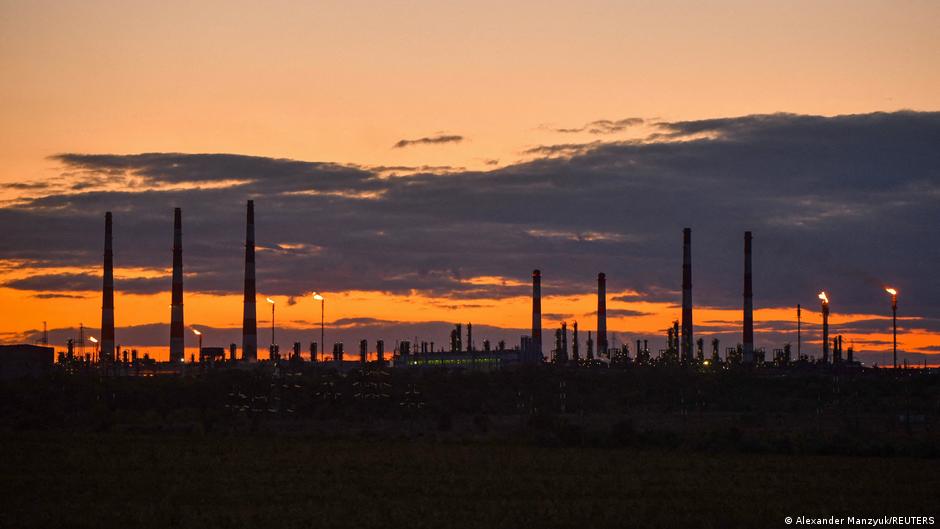
German Foreign Minister Defends International Criminal Court Amid U.S. Opposition
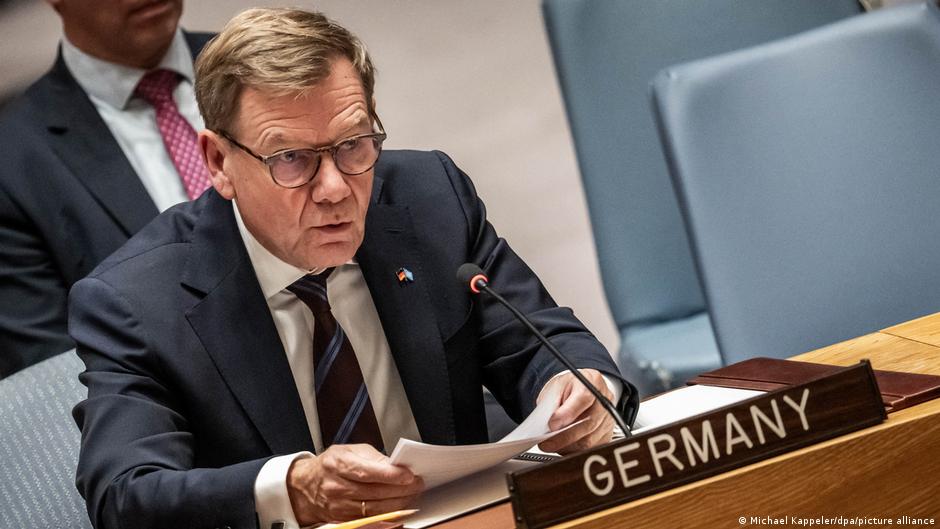
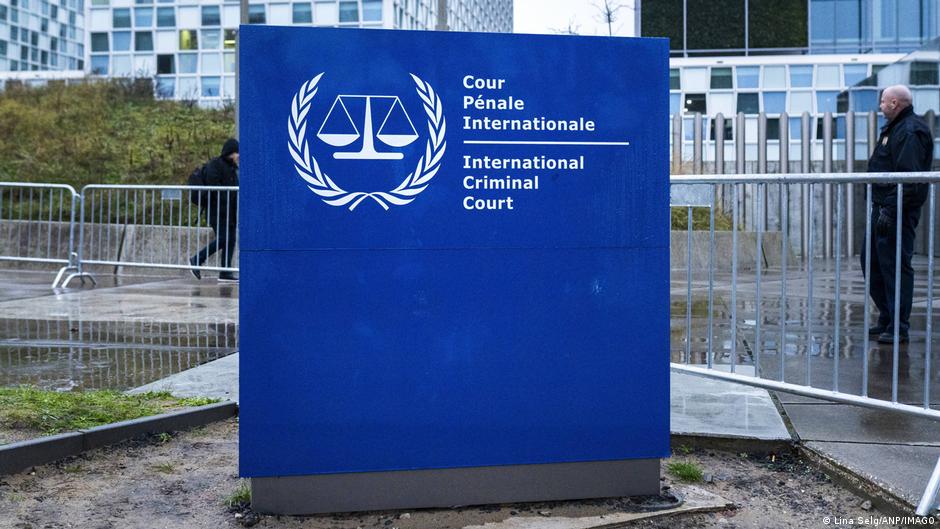
Germany defends the International Criminal Court as the U.S. escalates diplomatic and legal actions against the tribunal over investigations into American personnel.

Germany defends the International Criminal Court as the U.S. escalates diplomatic and legal actions against the tribunal over investigations into American personnel.

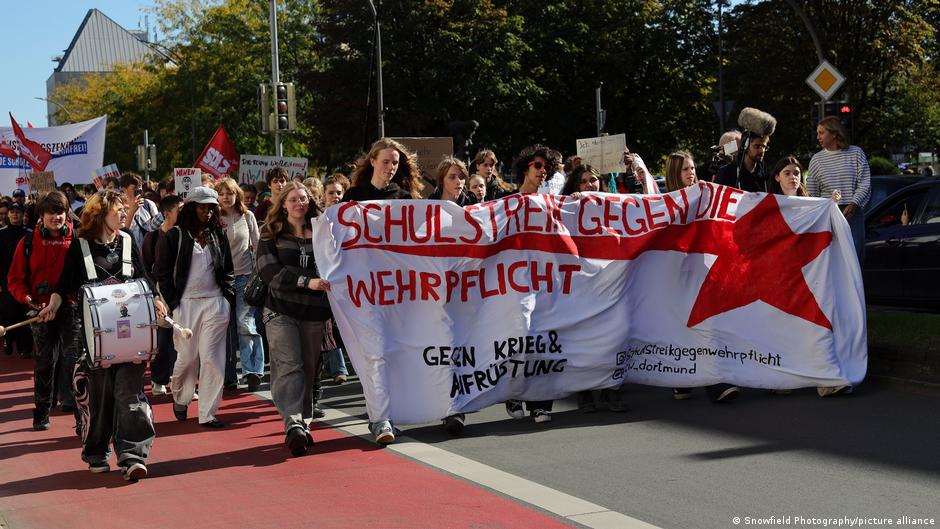
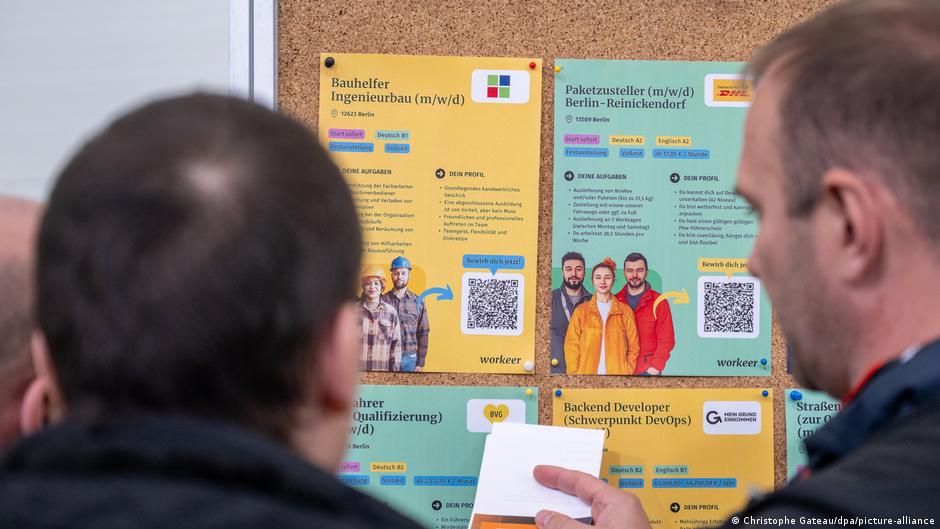
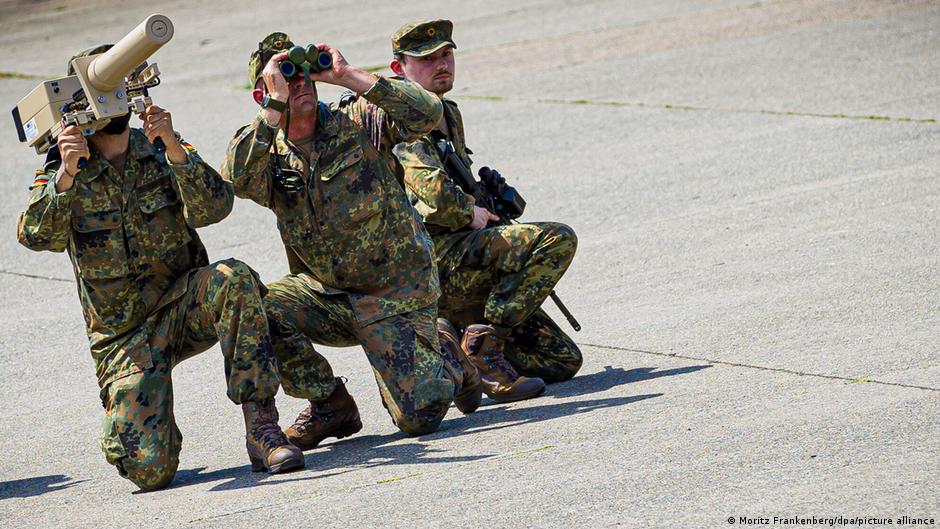
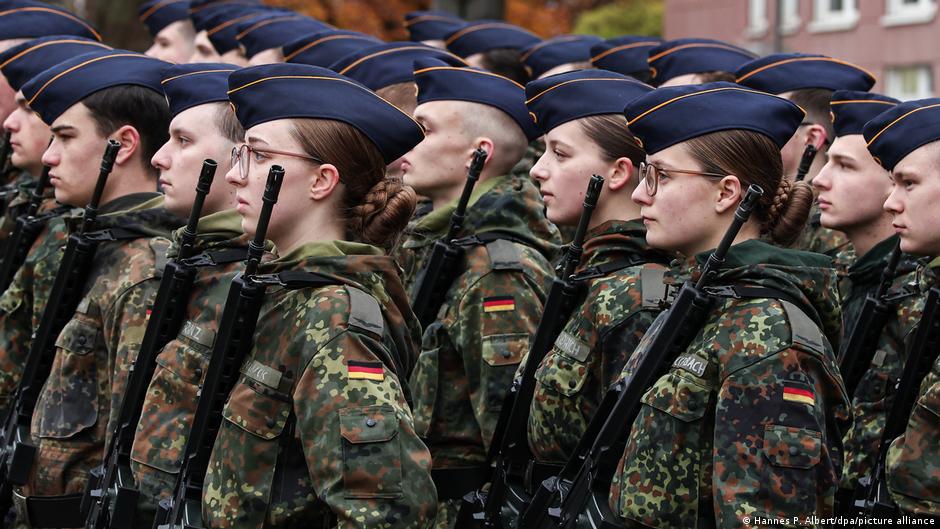
Germany reports a sharp rise in military service refusals amid security challenges and conscription reforms, impacting the digital economy and cybersecurity workforce.

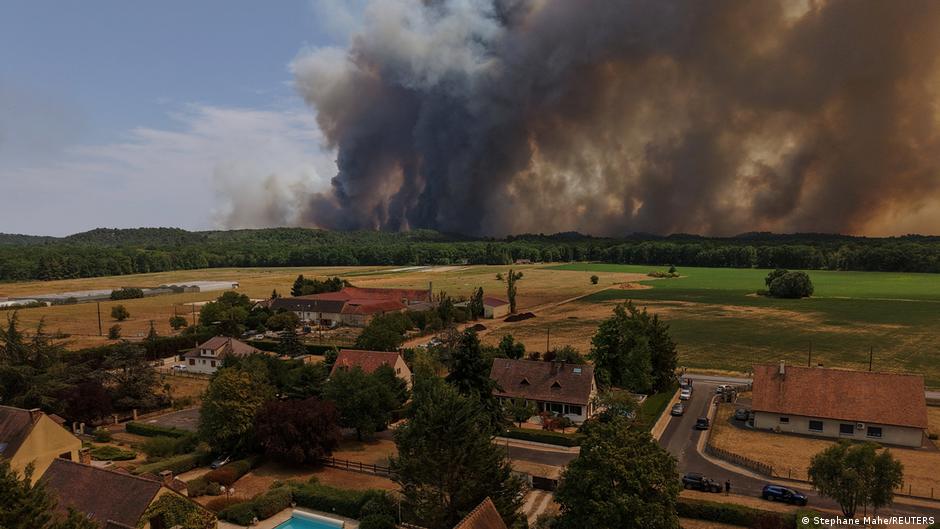
A massive wildfire near Paris scorched over 1,300 hectares, prompting arrests for suspected arson and raising concerns about climate-driven risks to infrastructure and the digital economy.

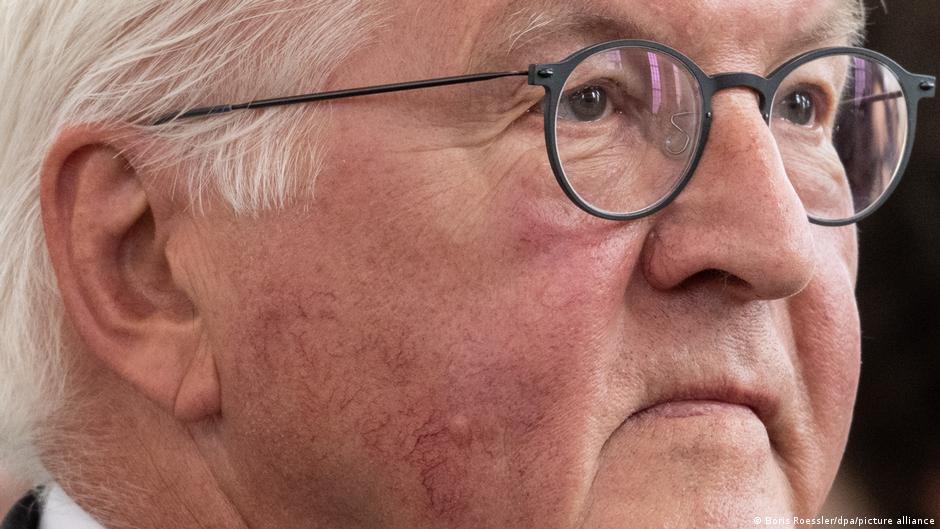
German President Steinmeier urges Europe to uphold international order amidst geopolitical challenges, emphasizing the impact on digital economy, fintech, and cybersecurity.

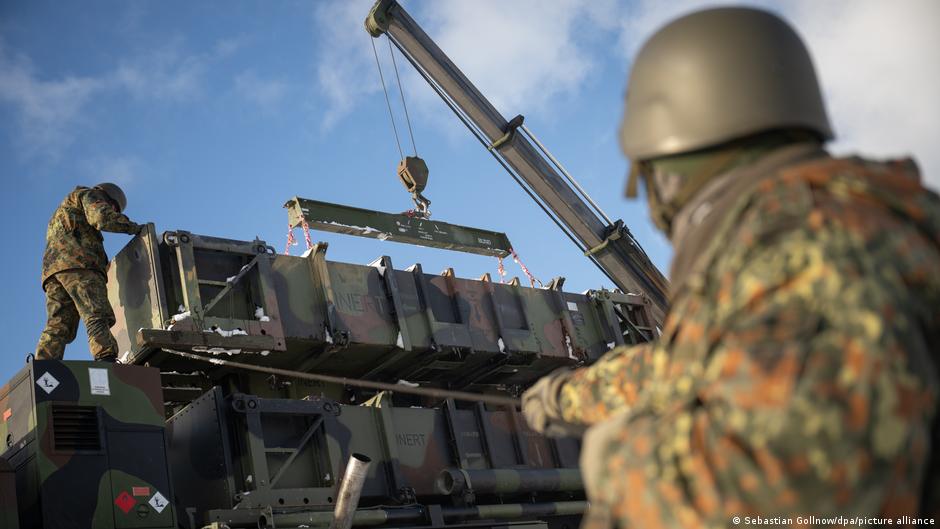
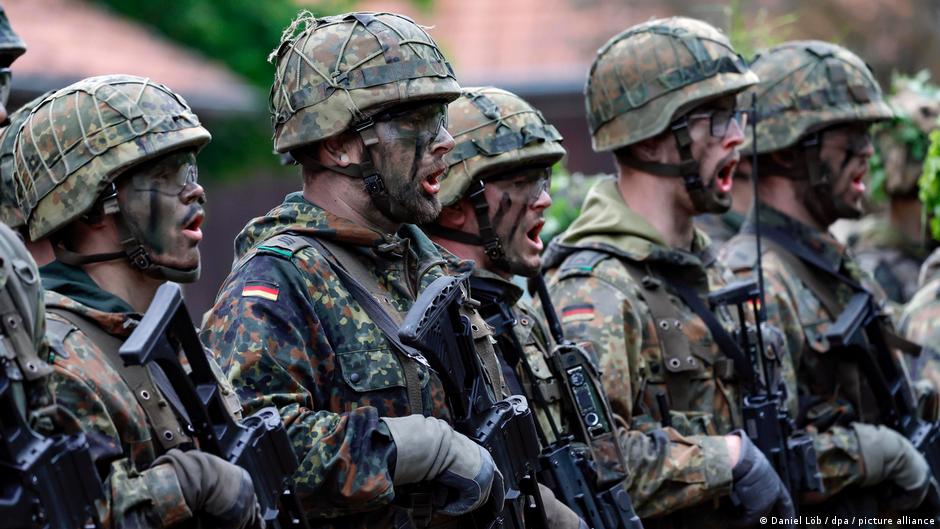
Germany's record €124.7 billion defense budget for 2026 will boost cybersecurity and digital infrastructure, influencing fintech and digital banking sectors amid NATO commitments.
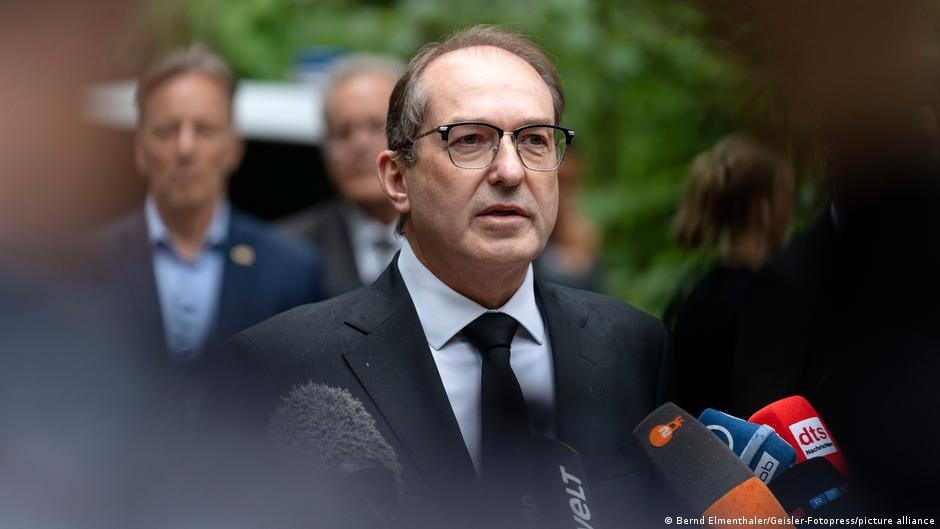
Germany's 2027 budget boosts defense spending and borrowing amid security concerns, raising fintech sector worries about future funding for digital innovation and economic growth.

Canada's contract with Germany's TKMS for 12 advanced non-nuclear submarines signals strengthened transatlantic defense cooperation and major impacts on defense tech and digital security.

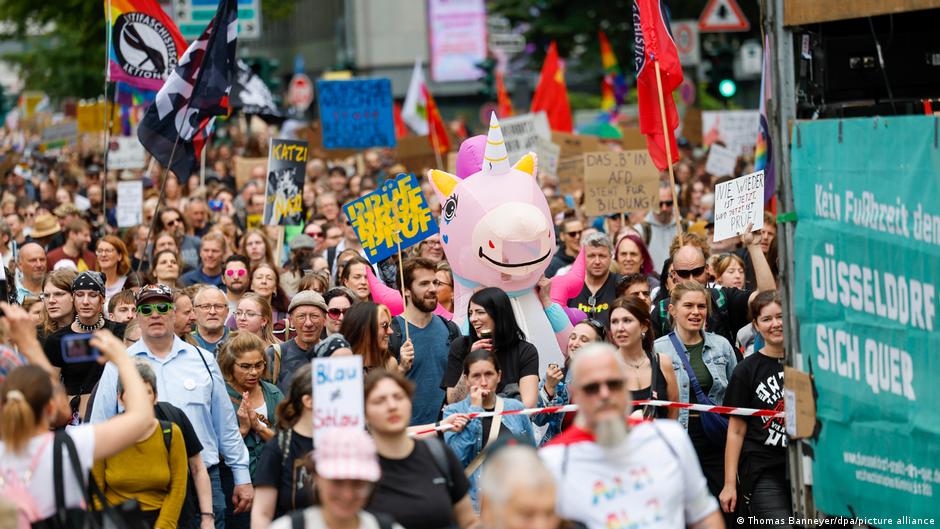
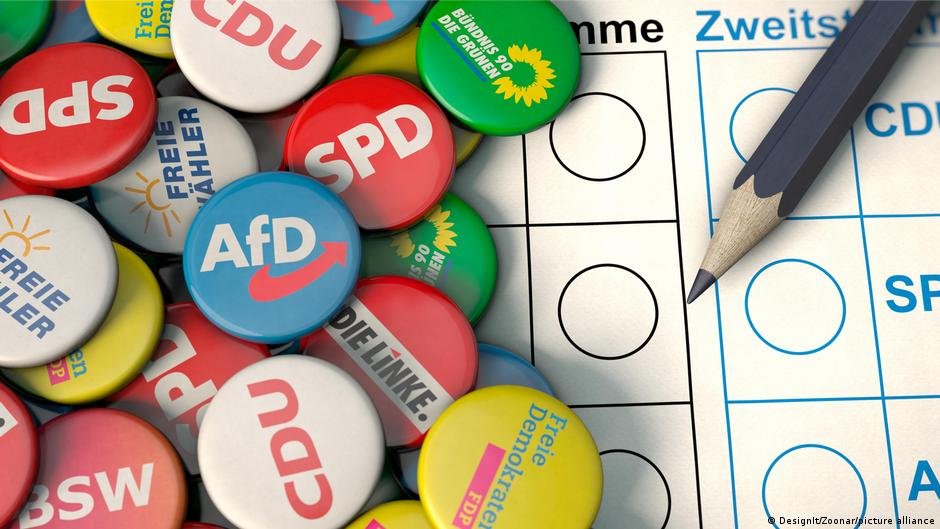
A poll finds 45% of Germans oppose banning the far-right AfD, which leads the CDU/CSU by 8%, signaling political shifts that could impact fintech and digital economy sectors.

A DGB study reveals 40% of Germans doubt they can work until retirement due to strenuous job conditions, highlighting challenges for labor and digital economy sectors.

Latvian President Edgars Rinkēvičs urges NATO to prepare for possible escalation with Russia, highlighting the need for stronger military capabilities and US partnership.

Two German brothers admitted to violating EU sanctions by sending machinery parts to Russia via shell companies in Kyrgyzstan and Turkey, avoiding detection through complex supply chains.

The EU cuts duty-free steel import quota by nearly half and imposes a 50% tariff on excess imports to protect domestic industry from cheap Chinese steel.

German and US foreign ministers reaffirm the critical partnership to address global economic instability and strengthen cooperation ahead of key NATO and Mercosur summits.

Russian anti-war activist Ilya Shkolny was granted asylum in Germany after multiple rejections, highlighting challenges for political refugees amid ongoing geopolitical tensions.

Former President Trump praised Zelensky's resilience in the Russia-Ukraine war and criticized European diplomatic stances, highlighting potential impacts on global fintech and economic stability.

Belgium issued one-day visas to five Taliban representatives invited to Brussels for EU talks on Afghan deportations, highlighting complex migration and security challenges.

A Russian drone struck a Kharkiv high-rise causing fire, while missile attacks in Odessa region led to casualties and infrastructure damage, raising digital infrastructure security concerns.

Germany urges Turkey to exclude Russian gas in future EU energy deals, impacting fintech and digital payments as Turkey aims to become a regional gas hub.

The EU has initiated discreet talks with Kremlin officials to prepare for future peace negotiations, a move that could impact digital economy sectors like fintech and cybersecurity.

The G7 summit concluded with commitments to new sanctions on Russia's oil and gas sectors and expanded military aid to Ukraine, including advanced weaponry and energy support.

Germany’s workforce is projected to shrink by 4.3 million by 2036 due to baby boomer retirements and reduced migration, posing risks for its fintech and digital economy sectors.

France, Germany, UK, and Italy endorse the US-Iran peace deal, stressing rapid implementation, nuclear non-proliferation, and restoring fuel supply through the Strait of Hormuz.

The US plans to cut fighter jets and naval vessels supplied to NATO by about a third, signaling a strategic pivot that impacts defense operations and associated technology sectors.

22 countries, including the US and Europe, condemn Iran's IRGC for orchestrating attacks on dissidents and Jewish communities, with major cybersecurity and fintech implications.

Germany pledges an additional €300 million to support the Czech initiative supplying 50,000 rounds of ammunition to Ukraine amid fewer NATO donors.

Ukrainian President Zelensky held a positive discussion with US envoys, signaling intensified diplomatic efforts to end the Russia-Ukraine war amid broader economic and security implications.

Delayed payments from the US and China threaten the UN's budget stability, forcing drastic cuts and operational changes with broader fintech sector implications.

Putin warns Armenia of tariff hikes and economic sanctions if it leaves the Eurasian Economic Union, urging a referendum amid rising geopolitical tensions and trade restrictions.

Western governesses provide language education to Putin's alleged children, reflecting significant private spending and meticulous language immersion strategies.

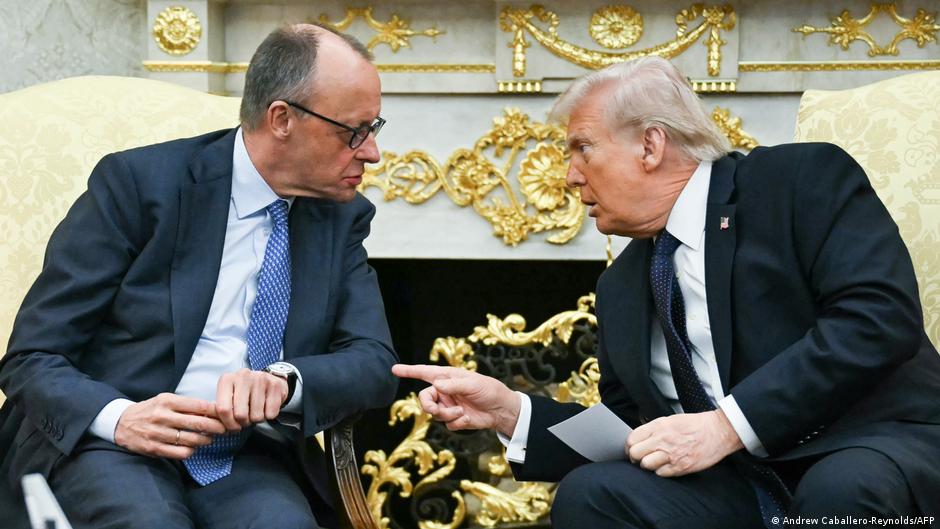
Sources close to Chancellor Friedrich Merz deny rumors of his early replacement, stressing constitutional complexities amid political challenges affecting Germany's digital economy.

The EU delays appointing a negotiator for talks with Russia, focusing on sanction strategies affecting financial and defense sectors amid the Ukraine conflict.

Ukraine and European leaders discuss enhanced diplomatic efforts and defense support to end Russia's war, highlighting shifts in geopolitical and digital economic dynamics.

The new EU-Mexico trade deal removes tariffs and trade barriers, fostering fintech growth, digital banking, and cross-border payments between the two economies.

President Trump announces deployment of 5,000 additional US troops to Poland, reversing earlier plans and reflecting shifts in US military posture in Europe.

NATO confirms ongoing delivery of US air defense missiles to Ukraine under the PURL program, strengthening Ukraine's defense and European security amid evolving threats.

Moscow has approved Clemens von Goetze as the new German ambassador amid heightened Russia-Germany tensions affecting fintech and digital economy relations.

Ukraine and Germany accelerate cooperation on air defense and drone production, including AI-driven technologies, to bolster Kyiv’s protection amid ongoing missile attacks.

Serbia hosts its first joint military exercises with NATO, balancing military neutrality and increasing cooperation with implications for cybersecurity and fintech sectors.

Ukraine offers NATO advanced long-range drones and missile systems to fill strategic gaps following shifts in missile deployments, deepening defense tech collaboration with Germany.

Germany considers President Steinmeier alongside ex-Chancellor Schröder to represent the EU in peace talks with Russia, a move with potential fintech and digital economy ramifications amid the Ukraine conflict.

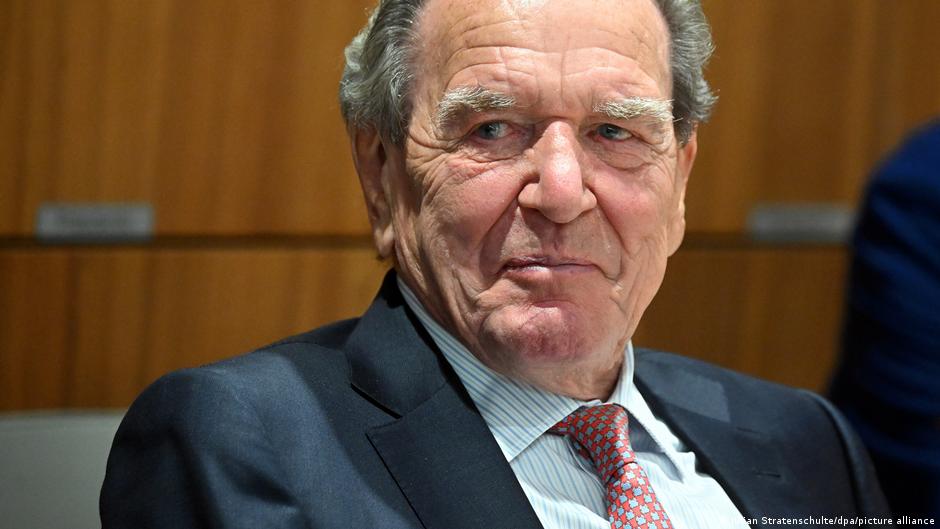
Putin names Gerhard Schröder as preferred EU negotiator on Ukraine, signaling potential shifts in diplomatic and economic landscapes affecting fintech and digital markets.

The potential relocation of US troops from Germany to Poland may accelerate digital defense investments and impact cybersecurity and fintech sectors in Eastern Europe.

Germany accelerates its own long-range missile development after US declines Tomahawk deployment, aiming to counter Russian Iskander threats and strengthen European defense.

Germany will transfer a gas-fired power plant from the Nord Stream pipeline site to Ukraine as humanitarian aid, supporting Ukraine's energy infrastructure amid the conflict.

The US announces a major troop reduction in Germany, exceeding 5,000 soldiers, impacting NATO dynamics and defense-related tech sectors amid escalating geopolitical tensions.

The ifo Institute warns Germany faces recession in 2026 due to US auto tariffs, with significant impacts on fintech, cross-border payments, and digital banking.
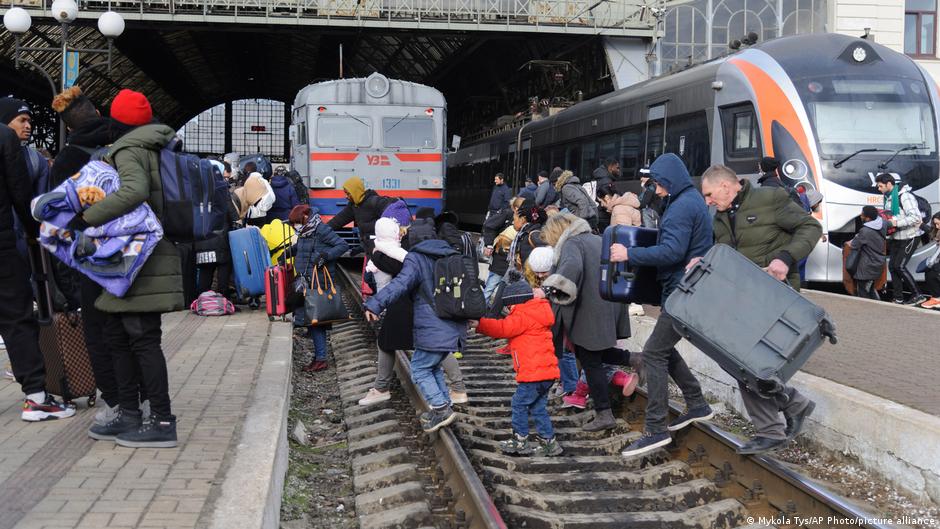
The US plans to withdraw 5,000 troops from Germany within a year, a move with potential implications for transatlantic cybersecurity and fintech collaboration.

The EU-Mercosur free trade agreement starts provisional implementation, offering new opportunities and challenges for fintech, digital payments, and tech sectors across Europe and South America.

Italy and Germany call for adherence to international law after Israel intercepts a humanitarian flotilla bound for Gaza, highlighting challenges in aid delivery and digital economy impacts.

Oxfam reports a 56% rise in CEO pay in Germany's top companies since 2019, while worker wages remain below pre-pandemic levels, intensifying income inequality.