Ukraine Poised to Supply NATO With Long-Range Drones and Missiles Enhancing Defense Capabilities
Ukraine offers NATO expertise and advanced long-range drone and missile technology to fill strategic capability gaps amid shifting defense dynamics.
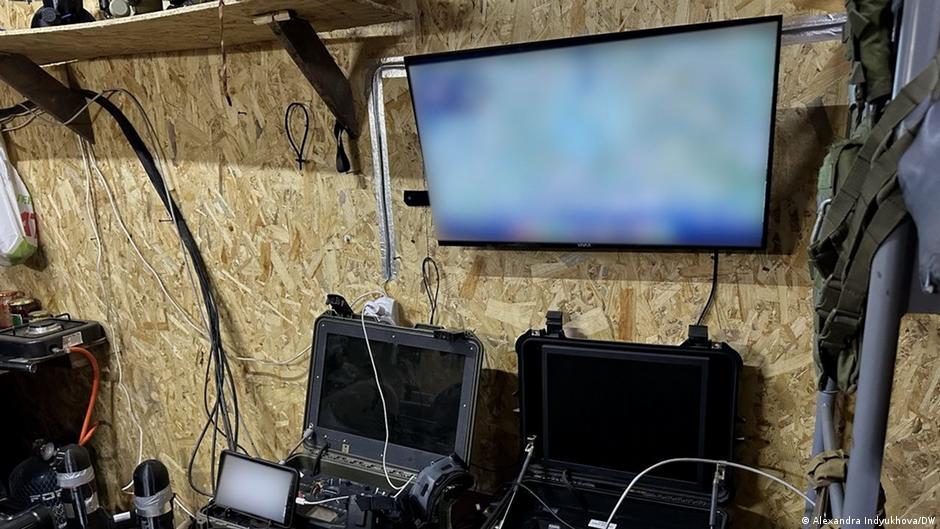
Ukraine is preparing to bolster NATO's strategic strike capabilities by offering its expertise and advanced long-range drones and missile systems, according to Alena Hetmanchuk, Ukraine's ambassador to NATO. In a recent interview, Hetmanchuk emphasized Kyiv's readiness to address NATO's operational capability gaps, particularly in precision deep-strike weapons.
Enhancing NATO’s Deep Strike Potential
Hetmanchuk stated that Ukraine can significantly enhance NATO's ability to conduct precise strikes deep within hostile territories. She highlighted that if NATO members like Germany express interest, Ukraine is capable of supplying effective weaponry, including long-range drones and missiles.
"If NATO countries such as Germany request it in the future, we can offer our experience and effective armaments: long-range drones and missiles," Hetmanchuk said.
Her remarks underscore Ukraine's unique defense solutions, which extend beyond drone countermeasures to encompass accurate strike capabilities. This offer is particularly timely following recent shifts in NATO’s missile deployment strategies.
Strategic Context: NATO’s Missile Capability Gap
The German newspaper Welt reported that the U.S. decision to cancel agreements on deploying American Tomahawk cruise and ballistic missiles on German soil has left NATO without a key weapon system in Europe. These missiles were intended to target strategic assets deep in Russian territory, such as command centers, power stations, and ammunition depots.
The cancellation removes a critical deterrent against Russian long-range missiles like the 9M729 (NATO designation SSC-8) and Iskander systems, which are capable of carrying nuclear warheads. This shift has created a capability gap within NATO’s European defenses that Ukraine’s technologies could help address.
Growing German-Ukrainian Defense Collaboration
In a sign of deepening cooperation, German Defense Minister Boris Pistorius visited Kyiv on May 11 to discuss expanding bilateral defense ties. Pistorius expressed a commitment to collaboratively develop modern unmanned systems across all ranges, with a focus on "Deep Strike" capabilities to target enemy infrastructure far behind front lines.
"This cooperation will strengthen the security of both our nations," Pistorius emphasized.
Moreover, sources cited by Welt indicate that Germany is exploring the establishment of a joint American-German manufacturing venture to produce Tomahawk cruise missiles domestically by 2028. Such a move would further complement NATO’s evolving long-range strike posture.
Implications for the Digital and Defense Economy
Ukraine’s offer to NATO highlights the increasing intersection of advanced drone technology, precision missile systems, and digital warfare capabilities in modern defense strategies. Long-range drones, integrated with sophisticated targeting software and secure communication networks, represent a growing segment of the defense tech industry with significant implications for cybersecurity and digital infrastructure resilience.
As NATO adapts to emerging threats and strategic shifts, partnerships incorporating cutting-edge Ukrainian technologies could accelerate innovation cycles in the defense sector, affecting procurement policies, defense stock valuations, and the broader fintech ecosystem that supports defense financing and cyber defense frameworks.