Europe Faces Rising Sabotage on Defense Plants Amid Russian Covert Operations
Russia's covert sabotage campaigns on European defense plants involve criminal groups paid via cryptocurrency, challenging NATO's cybersecurity and response strategies.

Russia's covert sabotage campaigns on European defense plants involve criminal groups paid via cryptocurrency, challenging NATO's cybersecurity and response strategies.

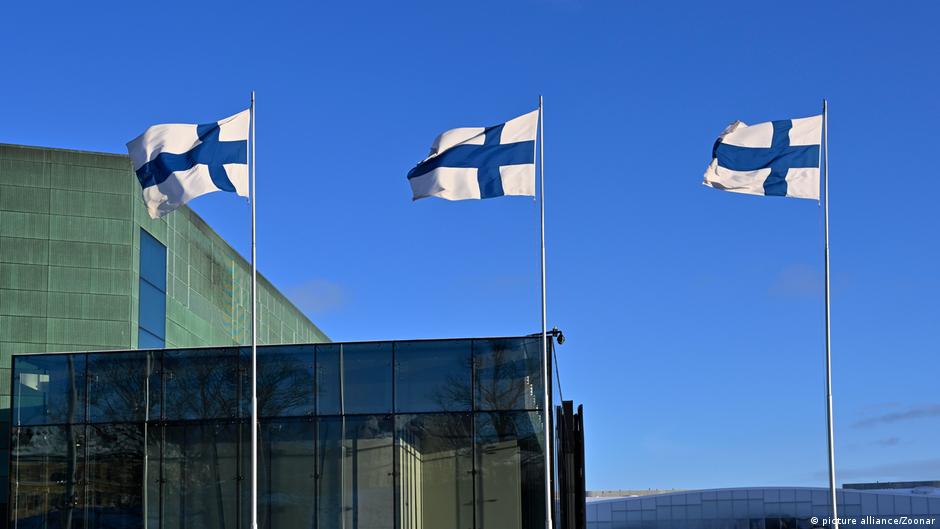
Finland summoned Russia's ambassador after an Il-20 aircraft briefly entered Finnish airspace, raising regional security and cybersecurity concerns amid rising tensions.

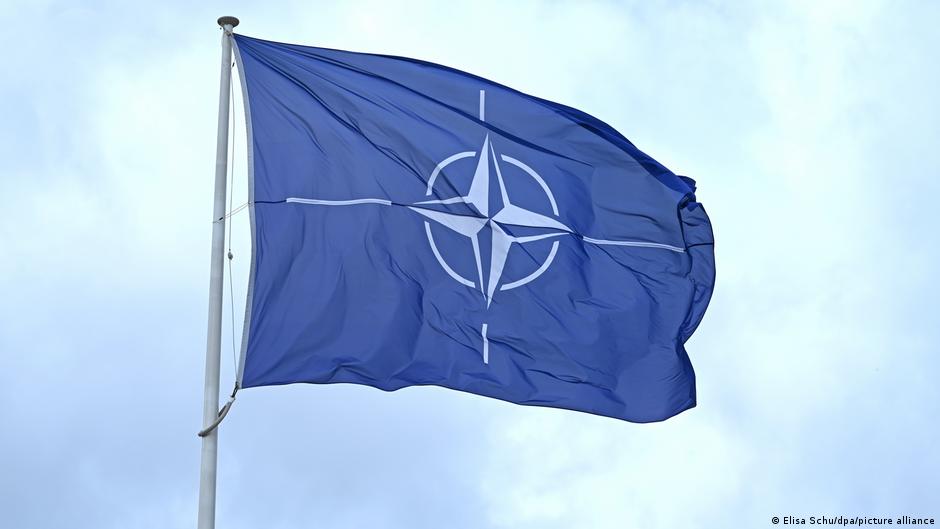
NATO affirms readiness to counter potential Iranian strikes on European military sites, highlighting cybersecurity and fintech risks amid rising geopolitical tensions.

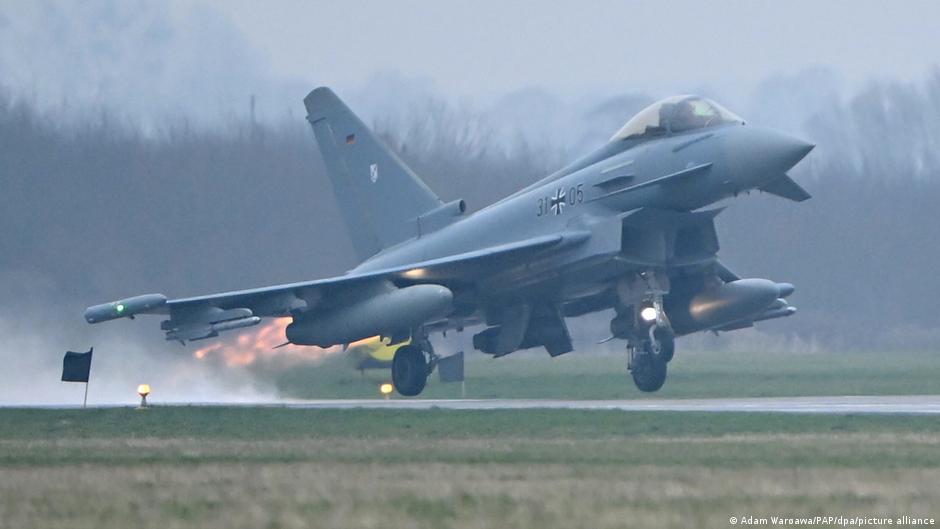
Germany reports a surge in drone activity near military bases, prompting new research and counter-UAV tech initiatives to address evolving hybrid security threats.

Germany responds to rising hybrid warfare threats by establishing a UAV research center and enhancing airport drone defenses following explosive drone incidents.

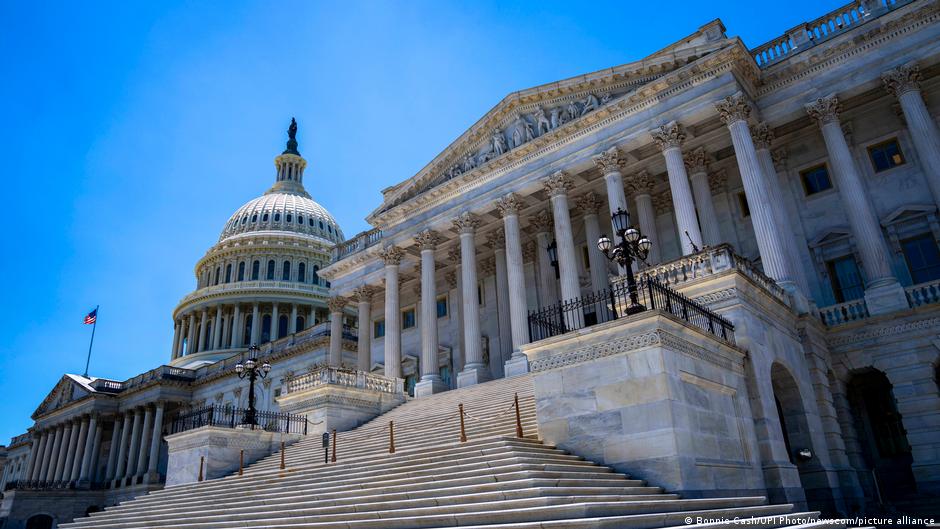
The US Senate approved stringent sanctions targeting Russia's energy and financial sectors, impacting global fintech, compliance, and energy trade dynamics.

Lithuania warns Russia may use captured Ukrainian drones to attack Baltic critical infrastructure, posing risks to digital banking, payments, and cybersecurity.

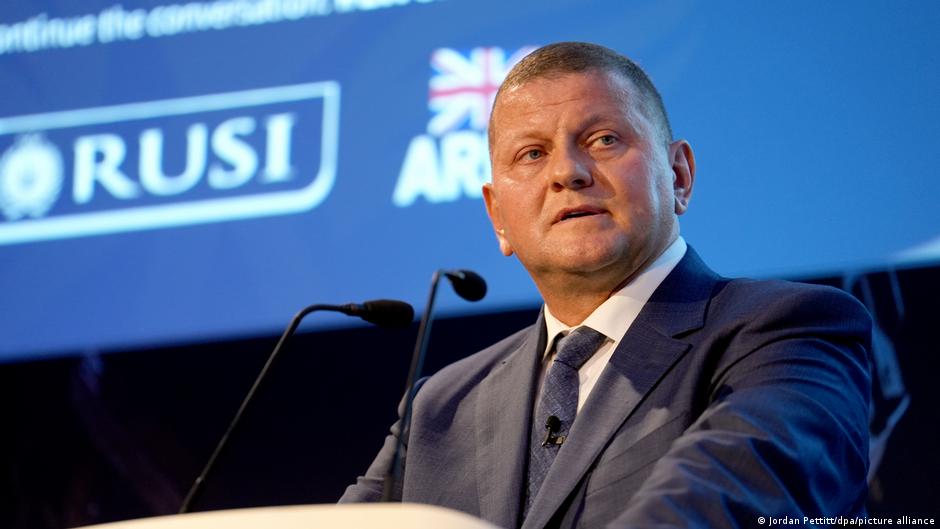
Former Ukrainian general Valeriy Zaluzhnyi says Ukraine will not join NATO but seeks advanced defense tech and new security alliances like the Joint Expeditionary Force.

NATO considers deploying tactical nuclear weapons in Finland, Poland, and Lithuania, raising security and digital economy concerns amid Russian threats.

The US Senate advances a bill imposing heavy tariffs on Russia, with broad implications for fintech, digital banking, and sanctions compliance.

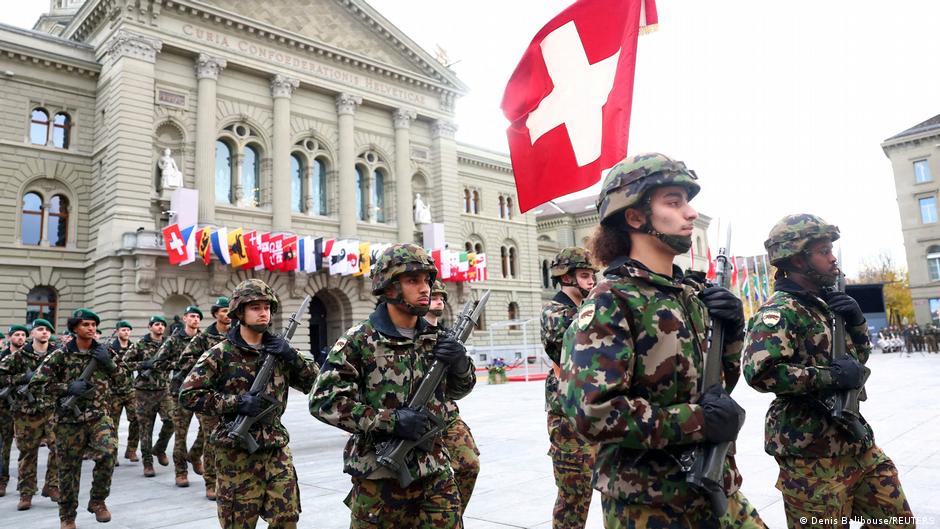
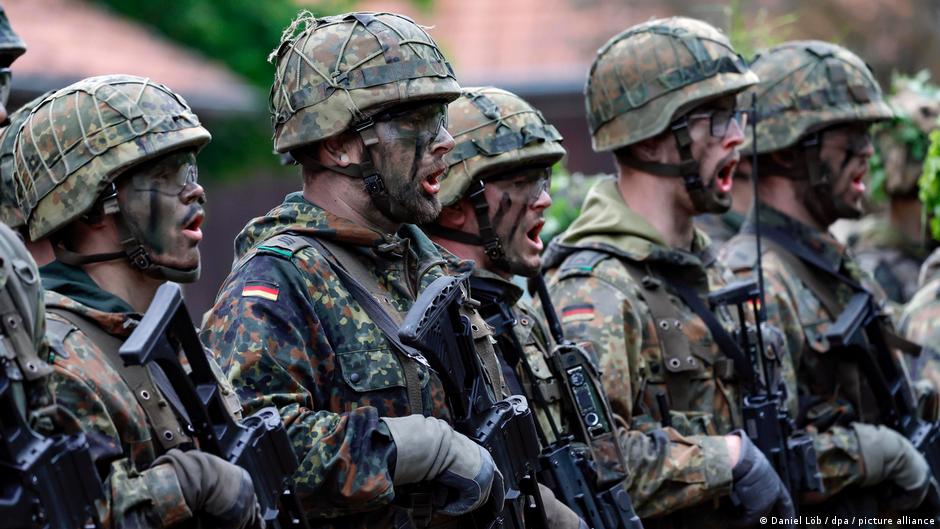
Austria plans to extend mandatory military service to nine months to address security and cyber threats, introducing field exercises and increased conscript pay.

President Zelensky visits Washington where the US Senate will vote on new sanctions against Russia, underscoring rising geopolitical tensions impacting fintech and global payments.

The US begins delivering a $100 million humanitarian aid package to Cuba amid sanctions and military tension, impacting digital payments and financial sectors.

The US has imposed 50% tariffs on Canadian imports, affecting cross-border trade and potentially disrupting fintech, digital payments, and e-commerce between the two countries.

Russia proposes expanding military contract eligibility to convicts of serious crimes amid mobilization efforts, including banditry and drug smuggling charges.

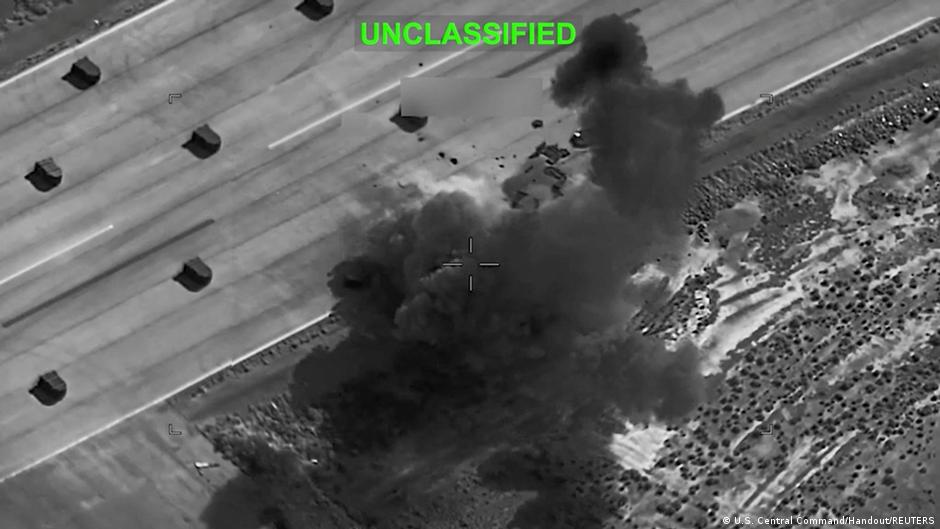
The US military intensified strikes on Iranian infrastructure, targeting bridges, airports, and energy sites, escalating regional tensions with implications for fintech and digital economy stability.

Darlin Graham Norton was appointed to fill her late brother Lindsey Graham’s Senate seat, securing a fragile Republican majority and influencing fintech and digital economy policies.

US military strikes on Iran escalate tensions, closing the Strait of Hormuz and disrupting global oil flows with significant implications for fintech, digital payments, and cybersecurity.

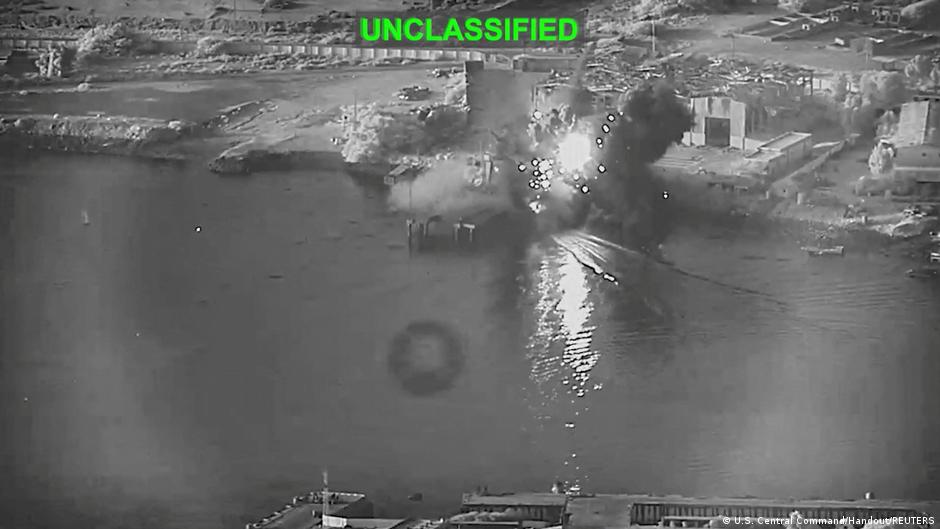
US military strikes on Iran target maritime infrastructure in the Strait of Hormuz, raising risks for global trade, energy markets, and fintech payment ecosystems amid escalating tensions.

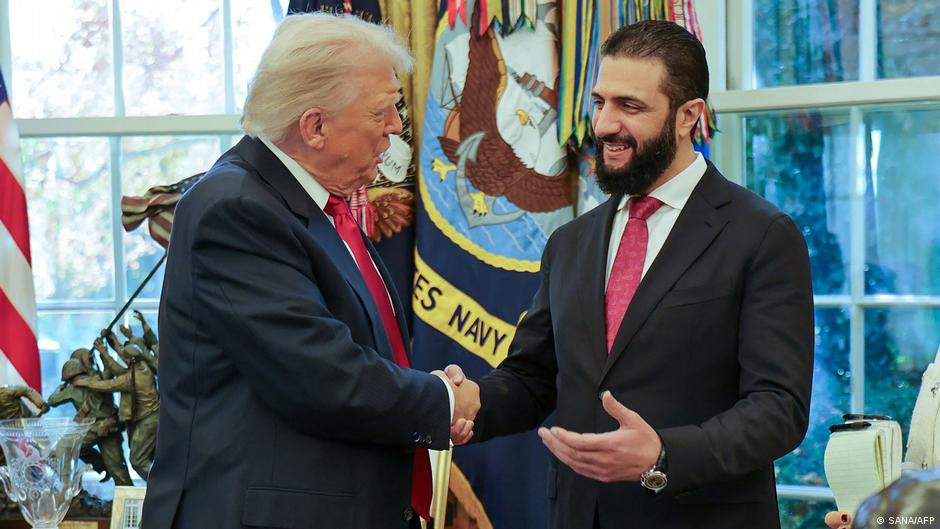
The US plans to remove Syria from the terrorism sponsorship list, opening doors for investment and digital economic integration amid new diplomatic ties.

Germany's record €124.7 billion defense budget for 2026 will boost cybersecurity and digital infrastructure, influencing fintech and digital banking sectors amid NATO commitments.

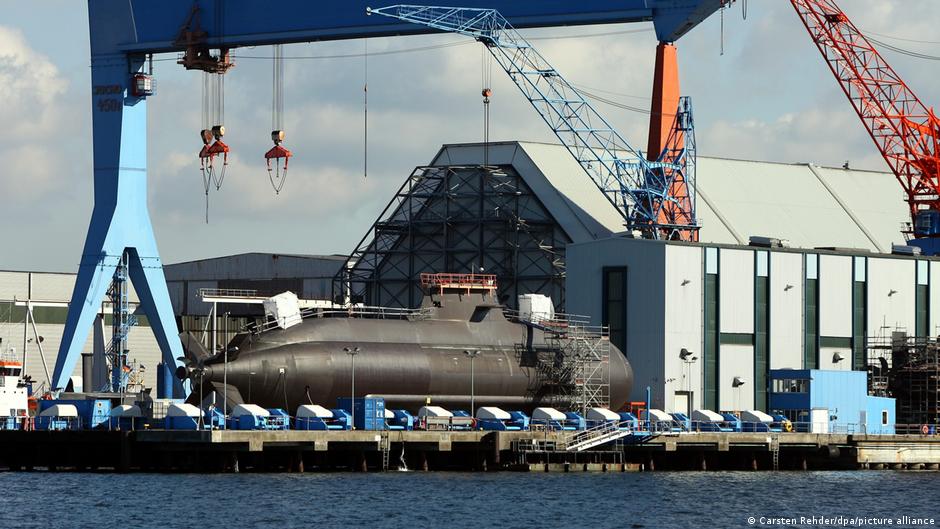
Canada's contract with Germany's TKMS for 12 advanced non-nuclear submarines signals strengthened transatlantic defense cooperation and major impacts on defense tech and digital security.

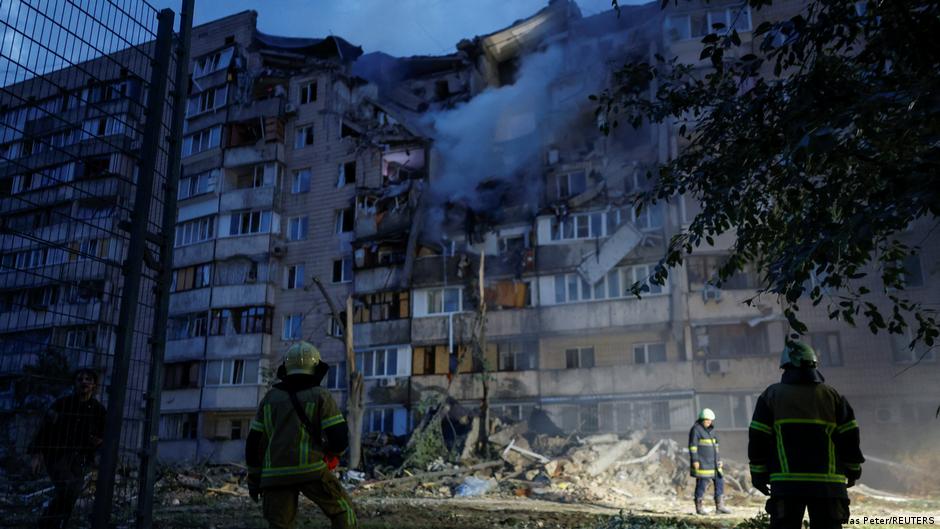
Russian missile and drone attacks on Kyiv caused casualties and infrastructure damage, posing risks to Ukraine’s digital economy and fintech systems amid ongoing conflict.

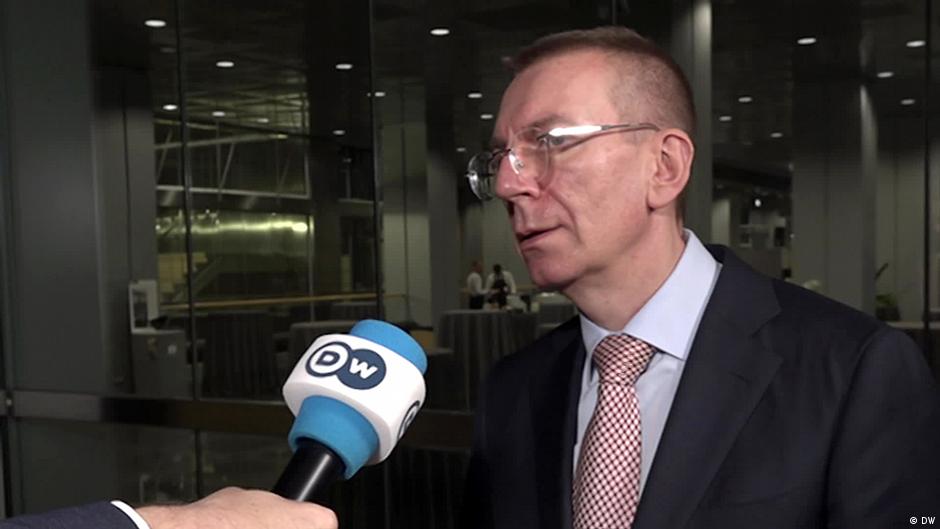
Latvian President Edgars Rinkēvičs urges NATO to prepare for possible escalation with Russia, highlighting the need for stronger military capabilities and US partnership.

Poland deported 11 individuals linked to Russia-funded protests aimed at influencing Ukrainian refugee communities, highlighting risks in digital payment systems used in geopolitical campaigns.

German and US foreign ministers reaffirm the critical partnership to address global economic instability and strengthen cooperation ahead of key NATO and Mercosur summits.

Finland has repealed its ban on importing nuclear weapons, a move that carries significant implications for national security and the fintech sector’s cybersecurity and digital payment systems.

Russian anti-war activist Ilya Shkolny was granted asylum in Germany after multiple rejections, highlighting challenges for political refugees amid ongoing geopolitical tensions.

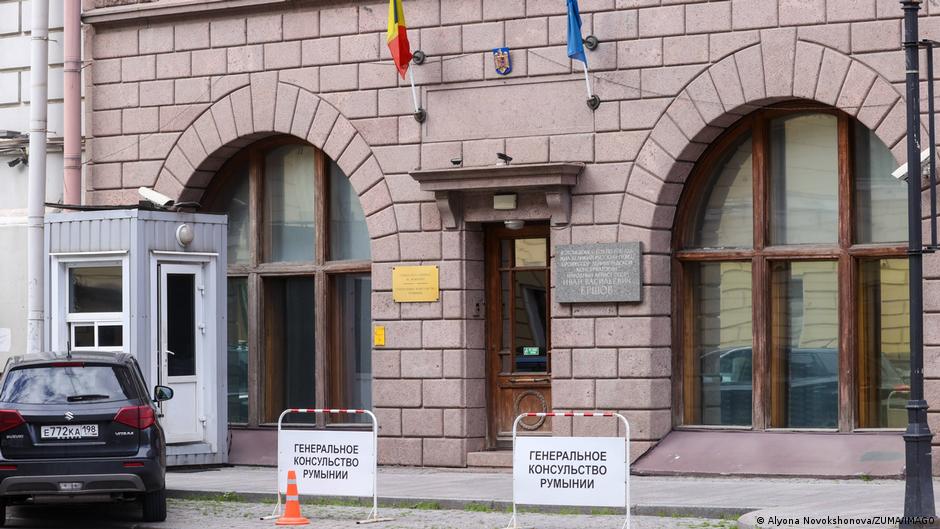
Russia closes Romania’s consulate in Saint Petersburg in retaliation for Romanian closure of Russian consulate after a drone incident in Galați, highlighting rising geopolitical and security tensions.

Former President Trump praised Zelensky's resilience in the Russia-Ukraine war and criticized European diplomatic stances, highlighting potential impacts on global fintech and economic stability.

The US Senate approved a resolution urging troop withdrawal from Iran conflict zones amid peace talks, highlighting potential impacts on sanctions, digital payments, and fintech sectors.

Far-right businessman Abelardo de la Espriella wins Colombia's presidency, promising economic deregulation and enhanced security cooperation with the U.S.

Italy's Foreign Minister Antonio Tajani cancels US visit after President Trump's offensive remarks about PM Meloni, raising concerns over impacts on transatlantic fintech and innovation cooperation.

US intelligence warns that Israeli Prime Minister Netanyahu may try to disrupt the US-Iran deal, raising concerns about regional stability and potential impacts on fintech and digital economy sectors.

Bulgaria plans to veto new EU sanctions on Russia due to economic risks and opposition to sanctions against Patriarch Kirill, raising concerns about energy and supply chain impacts.

Lithuania, Poland, and France conduct joint military exercises near the Suwalki Corridor to strengthen defense and ensure NATO connectivity, highlighting security implications for fintech and digital infrastructure.

The US plans to cut fighter jets and naval vessels supplied to NATO by about a third, signaling a strategic pivot that impacts defense operations and associated technology sectors.

Germany pledges an additional €300 million to support the Czech initiative supplying 50,000 rounds of ammunition to Ukraine amid fewer NATO donors.

The US House has passed a bill boosting military aid to Ukraine and expanding presidential powers to impose sanctions on Russia, pending Senate approval.

The U.S. House passed a resolution limiting President Trump's ability to continue war with Iran without Congress approval, signaling shifting political dynamics and implications for fintech and cybersecurity.

NATO confirms a Russian-origin drone crashed in Romania after Ukrainian air defenses intervened, escalating regional security and digital threat concerns near the Ukraine border.

Ksenia Fedorova, ex-head of RT France, now works on French conservative TV, illustrating media shifts following RT's EU broadcast ban and implications for digital information security.

NATO intelligence reveals Russia's secret 'Skif' project to deploy nuclear-capable ballistic missiles on the sea floor, posing new strategic and security challenges.

President Trump announces deployment of 5,000 additional US troops to Poland, reversing earlier plans and reflecting shifts in US military posture in Europe.

US charges former Cuban leader Raul Castro over 1996 killing of US citizen pilots amid rising geopolitical tensions that may impact digital finance and cross-border payments.
NATO confirms ongoing delivery of US air defense missiles to Ukraine under the PURL program, strengthening Ukraine's defense and European security amid evolving threats.

The US Senate advanced a resolution requiring President Trump to seek Congressional approval for military action against Iran, impacting geopolitical stability and fintech sectors.

Serbia hosts its first joint military exercises with NATO, balancing military neutrality and increasing cooperation with implications for cybersecurity and fintech sectors.

Ukraine offers NATO advanced long-range drones and missile systems to fill strategic gaps following shifts in missile deployments, deepening defense tech collaboration with Germany.

The US approved a $374M sale of JDAM-ER precision bomb kits to Ukraine, highlighting challenges from Russian electronic warfare targeting GPS guidance.