US Imposes 50% Tariffs on Canadian Imports, Impacting Trade and Digital Payment Flows
New US tariffs on Canadian goods could disrupt cross-border trade, affecting fintech, digital banking, and related payment systems.
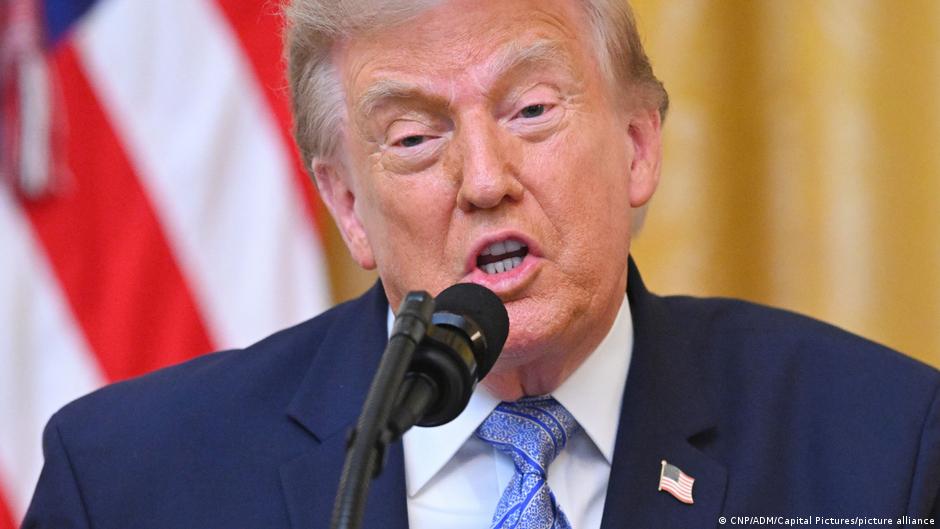
On July 20, 2020, US President Donald Trump signed executive orders imposing 50-percent tariffs on a wide range of Canadian goods. The move targets products from wine and cement to hockey sticks, citing discriminatory Canadian policies against American alcoholic beverages, automobiles, and dairy products.
The tariffs will take effect 30 days later, on August 19, but exclude energy products, potash, and goods already subject to existing tariffs. However, the new levies notably affect goods covered under the United States-Mexico-Canada Agreement (USMCA), signaling a significant shift in North American trade relations.
Trade Disputes and Digital Economy Implications
The US Trade Representative James Greer stated that the tariffs will impact roughly $20 billion worth of Canadian imports. According to Greer, Canada restricts American alcohol sales, favors European Union dairy products, and limits exports of American cars due to production shifts back to the US.
"Canada removed American alcoholic beverages from Canadian shelves, provided wider access to EU dairy products, and imposed export restrictions on American automobiles," Greer said.
Canadian Prime Minister Justin Trudeau (represented here by his trade spokesperson Mark Carney) condemned the tariffs as unilateral trade actions violating USMCA. Canada has proposed intensified negotiations to resolve the disputes and modernize the trade agreement. Ottawa has also responded with reciprocal measures against US goods.
For the fintech sector and digital payments ecosystem, these tariffs could introduce volatility in cross-border transactions and supply chains. Restrictions on automotive and consumer goods imports disrupt payment flows, potentially affecting payment processors, digital banking services, and e-commerce platforms that facilitate US-Canada trade.
Furthermore, ongoing tensions underscore the fragility of trade frameworks that underpin the digital economy. Both countries rely heavily on integrated payment networks and digital financial infrastructure to support millions of transactions daily. Escalating tariffs may prompt companies to re-evaluate supply chains and payment methods, accelerating adoption of alternative digital payment technologies to mitigate risks.
Earlier, President Trump threatened to raise tariffs over environmental concerns linked to Canadian wildfires, which added an additional layer of uncertainty. In January, he also threatened 50-percent duties on Canadian aircraft imports and the revocation of certification for certain Canadian-made planes, straining aerospace trade relations further.
These developments highlight how geopolitical trade disputes are increasingly intersecting with digital commerce and financial technology sectors. Industry stakeholders must monitor evolving policies to adapt payment systems, cybersecurity measures, and digital banking operations accordingly.
As US-Canada trade tensions escalate, fintech companies, payment providers, and digital platforms should prepare for potential disruptions and explore innovations that enhance transaction resilience and compliance with shifting tariff regimes.