Putin Sees Chance for Peace as Zelensky Awaits U.S. Envoys in Kyiv
Renewed talk of diplomacy over the war in Ukraine is drawing attention across payments, cyber risk, shipping and investor sentiment in the digital economy.
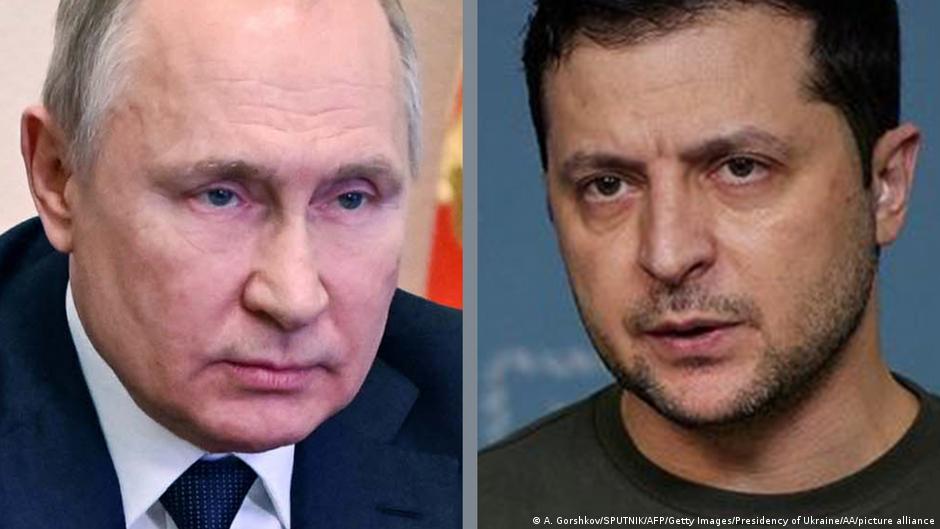
Russian President Vladimir Putin said he believes there is a chance to achieve peace in Ukraine through diplomacy, while arguing that Russia and Ukraine must negotiate the end of the war directly and other countries should support that process. Putin made the remarks on Thursday, September 3, on the sidelines of the Eastern Economic Forum.
“First of all, Russia and Ukraine must come to an agreement between themselves. And all other countries are ready to support and help. […] This is the right approach. But we are grateful to everyone who is trying to contribute to resolving this issue. Are there chances? In my view, yes, there are,” Putin said.
For financial markets and the broader digital economy, the latest exchange matters less for an immediate diplomatic breakthrough than for what renewed negotiations could mean for sanctions policy, cross-border payments, cybersecurity exposure and risk pricing across the region. Any signal that direct talks could resume is likely to be closely watched by banks, payment firms, insurers, logistics operators and investors in technology stocks with exposure to Eastern Europe and global commodity-linked volatility.
Putin also said that contacts between Moscow and Kyiv continue through the intelligence services, though he said he could not say how much that might help advance peace. At the same time, he pointed to Ukrainian attacks on transport vessels in the Black Sea and statements from Kyiv about the insecurity of Russian airspace, saying such factors “complicate the possibilities” for bilateral peace talks.
Those security concerns have a direct commercial dimension. Threats tied to Black Sea shipping and airspace do not affect only military calculations; they also shape freight risk, insurance costs, settlement confidence and the operational environment for companies moving goods and money across borders. In the digital economy, conflict-related instability often feeds into higher compliance burdens, cyber-defense spending and more cautious capital allocation by investors.
U.S. contacts move into focus
Later the same day, Ukrainian President Volodymyr Zelensky spoke about the prospect of renewed talks with Russia. He said U.S. representatives would soon visit both Kyiv and Moscow and that a possible peace agreement would be discussed during those meetings.
“There are preliminary dates. We expect that representatives of the U.S. president will come here, to Kyiv. We already have confirmation from them: there will be a meeting in both Moscow and Kyiv,” Zelensky said in his nightly video address to Ukrainians.
Zelensky added that Ukraine is in constant contact with the American team. A few days earlier, he reported a phone conversation with U.S. President Donald Trump’s special envoys, Steven Witkoff and Jared Kushner, in which he told the U.S. representatives that Russia’s battlefield gains were “insignificant.”
For fintech executives and digital infrastructure providers, sustained U.S. engagement could become a key variable in assessing the medium-term direction of policy risk. Diplomatic activity involving Washington often has implications not only for military and political strategy, but also for enforcement expectations around financial restrictions, cyber posture and the ability of companies to plan investment, treasury and market-entry decisions.
Zelensky said U.S. representatives had confirmed meetings “in both Moscow and Kyiv.”
Discussion of possible Russia-Ukraine peace negotiations resumed shortly after an unannounced visit to Moscow in late August by CIA Director John Ratcliffe. According to Axios, a Trump administration representative proposed, among other ideas, a trilateral meeting of the presidents of the United States, Russia and Ukraine to discuss ending the war through diplomacy.
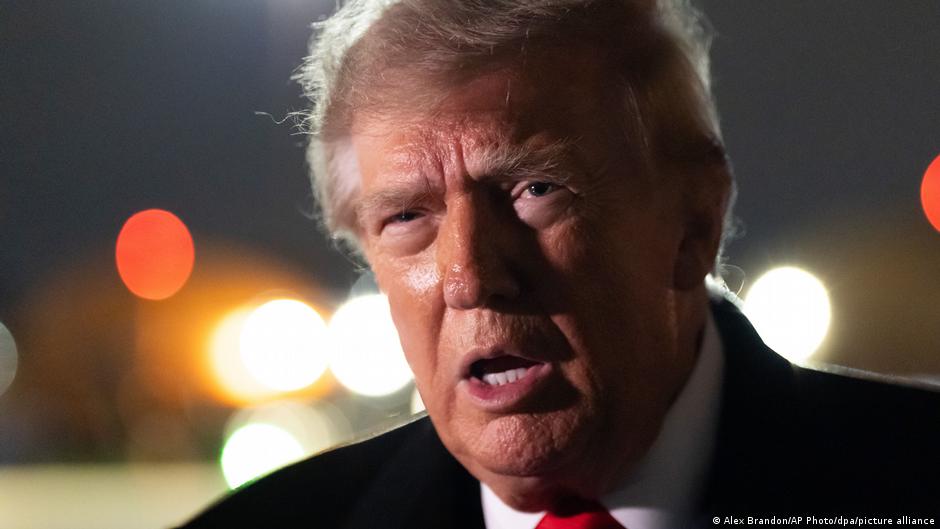
After those media reports, Trump rejected the idea of holding a trilateral summit in the near term when speaking with reporters. According to the U.S. president, Putin would agree to such a meeting if Trump wanted it, and Washington could organize a summit “immediately.” But Trump said he wanted to hold such a meeting only when the sides were ready to conclude a peace agreement.
That sequencing is significant for markets. Investors and corporate strategists typically distinguish between headline diplomacy and negotiations that are close to producing terms. Until there is evidence of a framework acceptable to the parties, businesses tied to payments infrastructure, digital banking, cybersecurity and trade finance are likely to treat the latest statements as signals of political movement rather than a basis for immediate operational change.
Digital economy implications remain indirect but material
Trump also said that “Putin and Zelensky should stop this stupid war,” again placing blame for the continuing fighting on both Moscow and Kyiv. In Trump’s view, a personal hostility between Zelensky and Putin is one of the problems standing in the way of peace in Ukraine. He said that was one reason why the conflict, which he had promised to “end in 24 hours,” had proved more difficult than the “eight wars” he says he managed to stop in less than two years in office.
For the financial sector, the practical question is whether these contacts can eventually reduce the uncertainty that has weighed on regional transactions, business continuity and digital security planning. War-linked disruptions can affect correspondent banking routes, merchant settlement confidence, cybersecurity readiness and investor appetite for risk assets, including technology shares sensitive to macro shocks and geopolitical headlines.
Nothing in the latest statements indicates that those pressures will ease quickly. Putin underscored the obstacles created by attacks tied to maritime transport and airspace security, while Zelensky framed upcoming U.S. meetings as a channel for discussing a potential peace settlement rather than as proof of one. The result is a familiar market picture: diplomacy is active enough to matter, but too preliminary to justify assumptions of a near-term reset.
Still, the re-emergence of direct discussion about negotiation formats, intelligence-channel contact and confirmed U.S. visits to both capitals gives financial markets a fresh set of signals to monitor. For payments firms, cyber vendors, digital banks and investors tracking geopolitical exposure, the next phase may depend less on rhetoric than on whether the planned meetings in Kyiv and Moscow produce a workable path toward formal talks between the two warring sides.