US-Israel Tensions Rise as Trump Condemns Netanyahu Over Lebanon Strikes
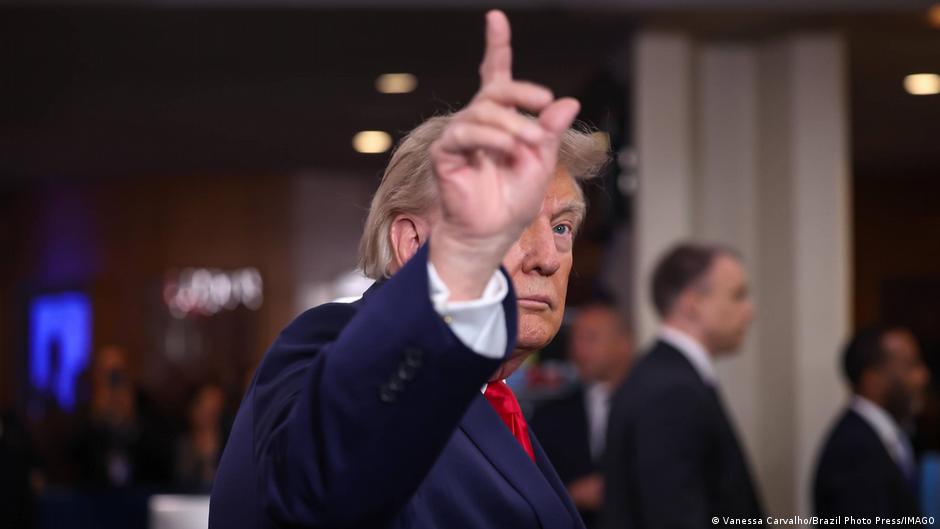
Donald Trump harshly criticized Israeli PM Netanyahu over Lebanon strikes, highlighting risks to regional stability and US diplomatic efforts amid escalating conflict.

Donald Trump harshly criticized Israeli PM Netanyahu over Lebanon strikes, highlighting risks to regional stability and US diplomatic efforts amid escalating conflict.

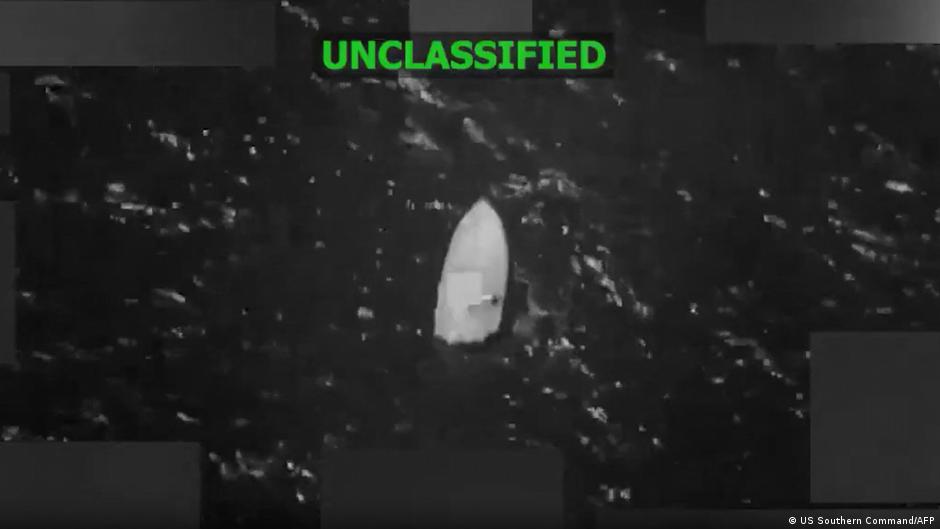
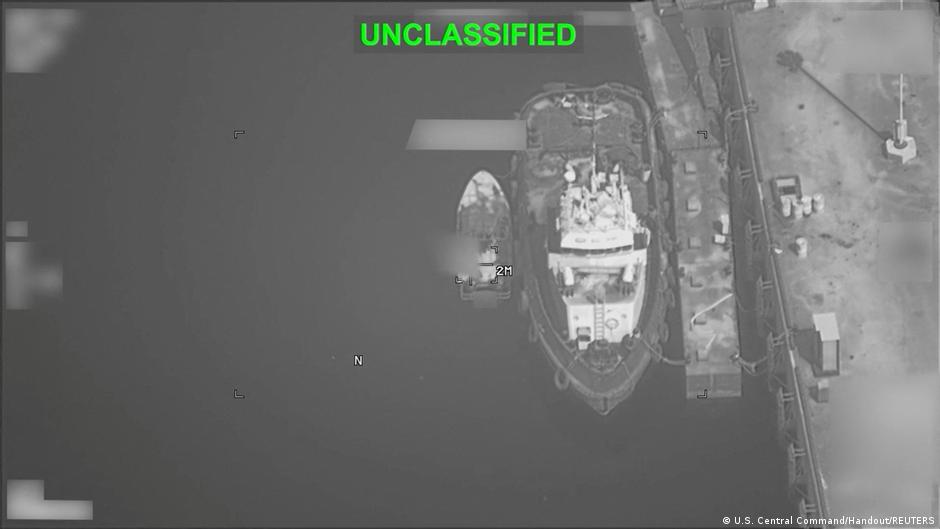
The US disabled a Gambian-flagged vessel heading to Iran after repeated warnings amid ongoing blockade enforcement in the Strait of Hormuz, affecting regional trade and digital finance.

President Trump demands strict adherence to US 'red lines' in Iran nuclear talks, influencing fintech markets, cybersecurity, and global digital banking scenarios.

US military launched defensive strikes on Iranian missile sites and mine-laying vessels amid a fragile ceasefire, raising implications for fintech, cybersecurity, and tech stocks.

Trump's statement on Iran's uranium stocks underscores geopolitical risks impacting fintech, digital banking, and cybersecurity amid escalating tensions.

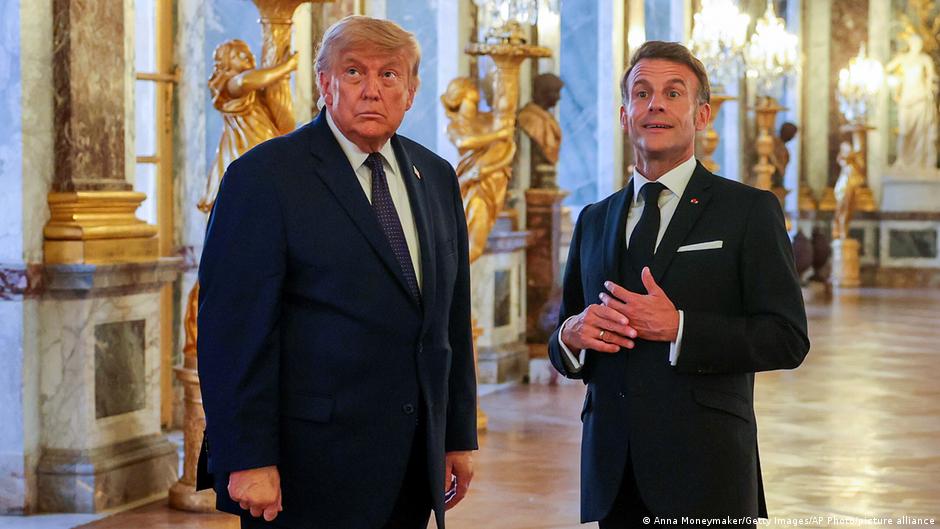
President Trump announces deployment of 5,000 additional US troops to Poland, reversing earlier plans and reflecting shifts in US military posture in Europe.

US charges former Cuban leader Raul Castro over 1996 killing of US citizen pilots amid rising geopolitical tensions that may impact digital finance and cross-border payments.

The US Senate advanced a resolution requiring President Trump to seek Congressional approval for military action against Iran, impacting geopolitical stability and fintech sectors.

Donald Trump postponed a planned May 19 military strike on Iran after Gulf leaders intervened, as serious negotiations aim to prevent conflict and impact fintech sectors.

EU's top diplomat Kaja Kallas warns Russia, China, and the US employ divide-and-rule tactics to weaken EU unity, posing risks to fintech, digital banking, and cybersecurity integration.

Two major London rallies on May 16 exposed social divides that may influence the UK's fintech sector through regulatory, cybersecurity, and investment channels.

Donald Trump reported pessimism after raising Jimmy Lai’s case with Xi Jinping, as China maintains its hardline stance on the Hong Kong media mogul’s 20-year prison sentence.

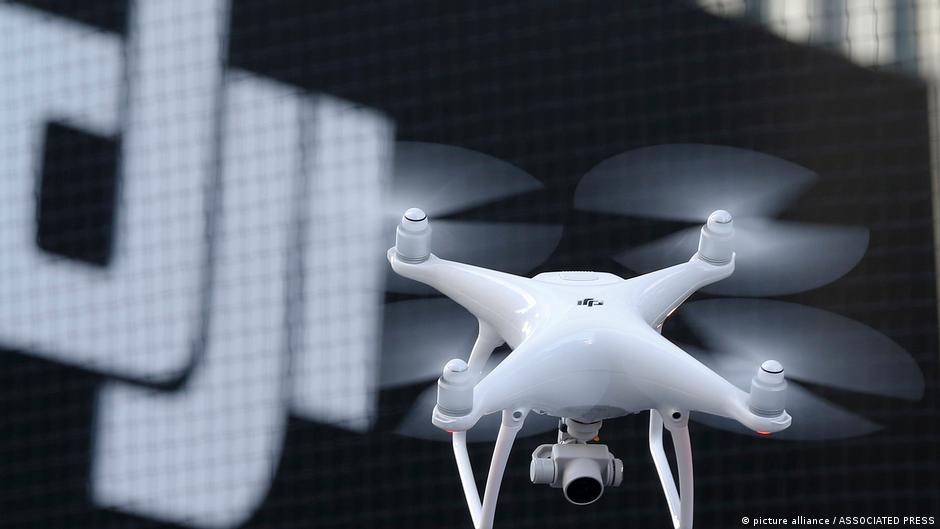
Florida’s Palm Beach International Airport will be renamed after President Trump, changing its IATA code to DJT, reflecting growing intersections between politics and digital infrastructure.

Donald Trump reveals China’s interest in US oil and soybean purchases, signaling shifts in trade relations with implications for energy, commodities, and fintech sectors.

Trump's Beijing visit with Xi Jinping focuses on trade, energy security, and tech cooperation, influencing global fintech and digital economy sectors.

U.S. intelligence reveals Iran retains about 70% of its missile arsenal and launchers despite strikes, raising concerns over regional security and military supply constraints.

Following Hungary's political shift, former Polish Justice Minister Zbigniew Ziobro, wanted for corruption, has relocated to the US, raising fintech and cybersecurity concerns.

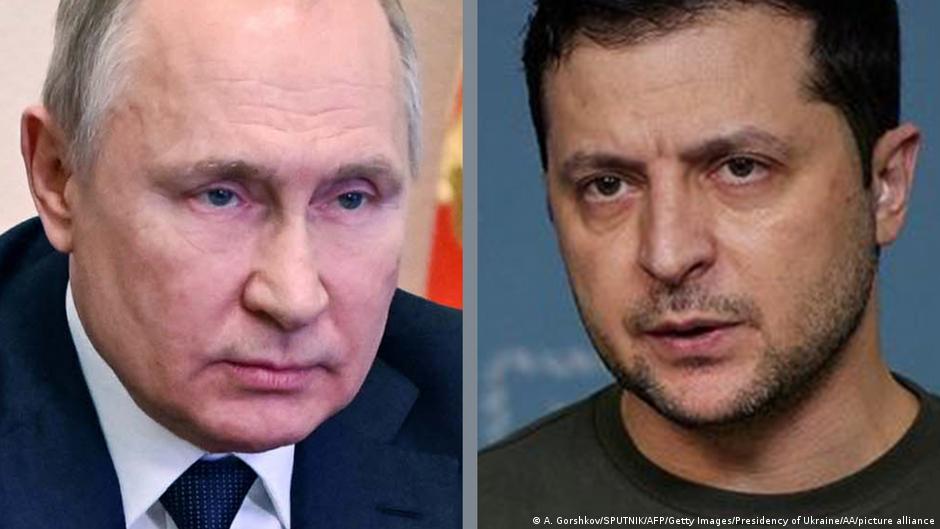
Russia and Ukraine use the May ceasefire for troop rotations amid ongoing hostilities, affecting military logistics and raising cybersecurity and digital communication concerns.

The US Department of Defense has released 161 declassified files on UFOs, encouraging public analysis while highlighting the importance of cybersecurity and data transparency.

The potential relocation of US troops from Germany to Poland may accelerate digital defense investments and impact cybersecurity and fintech sectors in Eastern Europe.

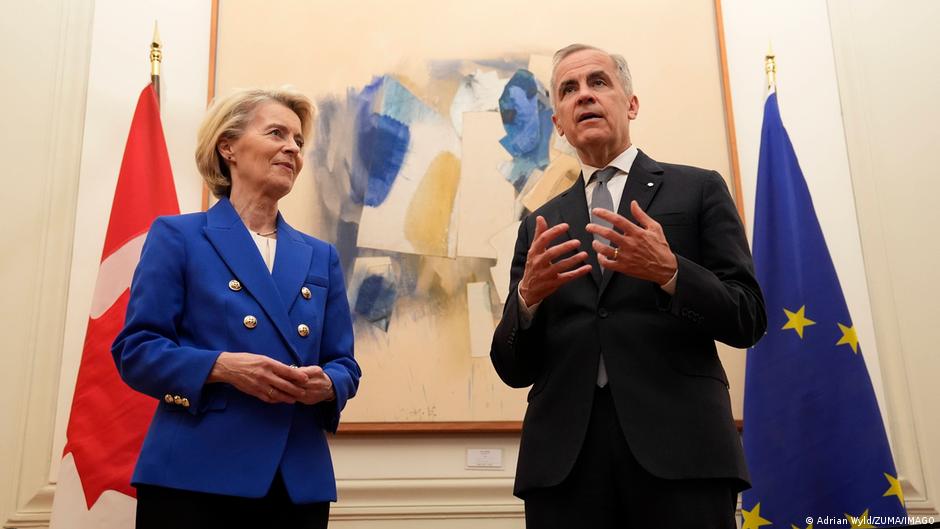
US President Trump postpones raising auto tariffs on EU imports until July 4 amid ongoing disputes over compliance with a major trade agreement.

Iran mandates detailed digital vessel data submissions for passage through the Strait of Hormuz, impacting maritime security and financial compliance in the region.

US-Iran talks near a breakthrough could ease sanctions and open new opportunities in digital payments, fintech, and cybersecurity sectors.

Russia continues military strikes across Ukraine despite Kyiv's ceasefire offer starting May 6, heightening regional instability and raising concerns for digital and fintech sectors.

Germany accelerates its own long-range missile development after US declines Tomahawk deployment, aiming to counter Russian Iskander threats and strengthen European defense.

Iran has submitted a 14-point peace plan to the US demanding sanctions relief and naval guarantees, with significant implications for fintech, digital payments, and regional stability.

The US announces a major troop reduction in Germany, exceeding 5,000 soldiers, impacting NATO dynamics and defense-related tech sectors amid escalating geopolitical tensions.

The ifo Institute warns Germany faces recession in 2026 due to US auto tariffs, with significant impacts on fintech, cross-border payments, and digital banking.
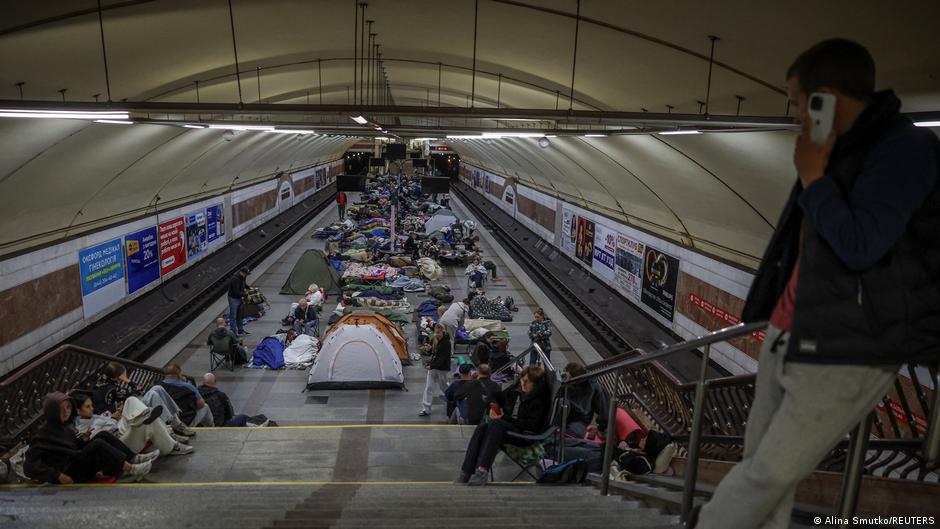
The US plans to withdraw 5,000 troops from Germany within a year, a move with potential implications for transatlantic cybersecurity and fintech collaboration.

US warns European allies of significant delays in missile system ammunition shipments due to urgent replenishment amid conflict with Iran, impacting defense supply chains and allied readiness.

Italy and Germany call for adherence to international law after Israel intercepts a humanitarian flotilla bound for Gaza, highlighting challenges in aid delivery and digital economy impacts.

US-Iran tensions cause Brent oil prices to surge over $119, impacting fintech, digital banking, and tech stocks through increased volatility and inflation risks.

The US will issue special passports bearing President Trump's portrait to mark the 250th Independence anniversary, signaling new trends in digital identity and secure documentation.

US Chargé d’Affaires Julie Davis to leave Kyiv amid tensions with Trump policies, raising concerns over diplomatic stability and impacts on Ukraine’s digital economy.

King Charles III visits the US amid geopolitical tensions, aiming to restore US-UK ties while economic and security concerns impact fintech and defense sectors.

The US stops sending negotiators to Pakistan for talks with Iran, shifting to secure digital communications amid ongoing ceasefire discussions in the Middle East.

US President Trump sees Putin's possible attendance at the 2026 G20 Miami summit as beneficial but is uncertain about Russia's official invitation and participation.
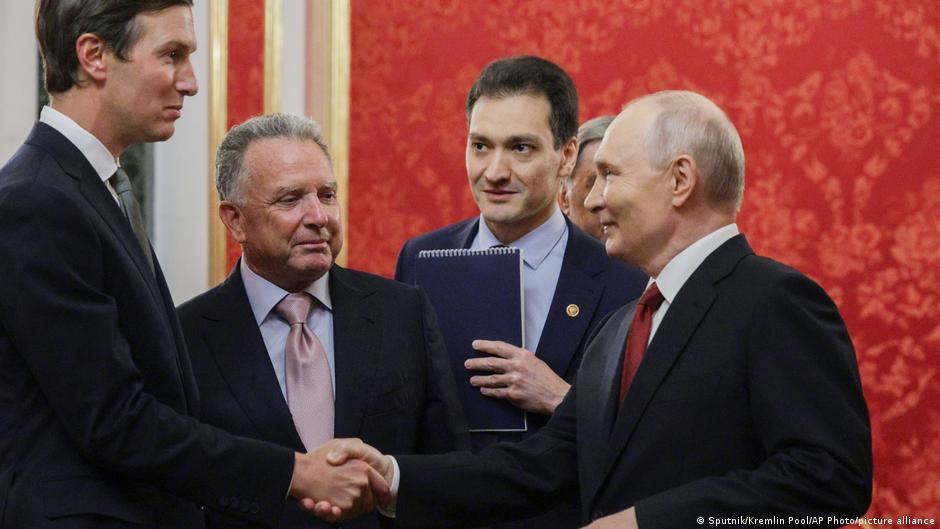
The US-mediated truce extension between Israel and Lebanon offers potential stability to enhance fintech and digital economy growth in the region.

Turkey intensifies efforts to restart Russia-Ukraine peace talks, aiming to mitigate regional conflicts impacting fintech, digital banking, and cybersecurity.

Italian PM Giorgia Meloni condemns Russian TV host Solovyov's insults amid diplomatic backlash, emphasizing Italy's independent foreign policy and political unity.

US Labor Secretary Lori Chavez-Deremer resigns amid misconduct allegations as the White House considers further cabinet changes, raising concerns about regulatory stability impacting the digital economy.

US forces seized an Iranian cargo ship in the Gulf of Oman, escalating tensions and impacting regional fintech, digital payments, and cybersecurity amid ongoing maritime conflicts.

The US has extended its waiver on sanctions for Russian oil shipments until May 16, raising concerns about sanction evasion and implications for fintech compliance and digital payments.

Trump rejects NATO help securing Strait of Hormuz, calling alliance ineffective. European nations lead peaceful mission to protect vital shipping lanes amid Middle East tensions.

Pope Leo XIV denounces exploitation and war, linking religious manipulation to broader impacts on global stability and economic systems amid his Africa tour.

The US Senate rejects a resolution to end military actions in Iran, prolonging geopolitical uncertainty with impacts on fintech, digital payments, and cybersecurity sectors.

The Trump administration wants GM, Ford and other manufacturers to help produce weapons, echoing WWII-era industrial mobilization.