US and Iran Agree to Temporary Ceasefire Amid Strategic Strait Negotiations
Washington and Tehran pledge to halt attacks until June 30, awaiting talks on Strait of Hormuz shipping corridor amid regional tensions.
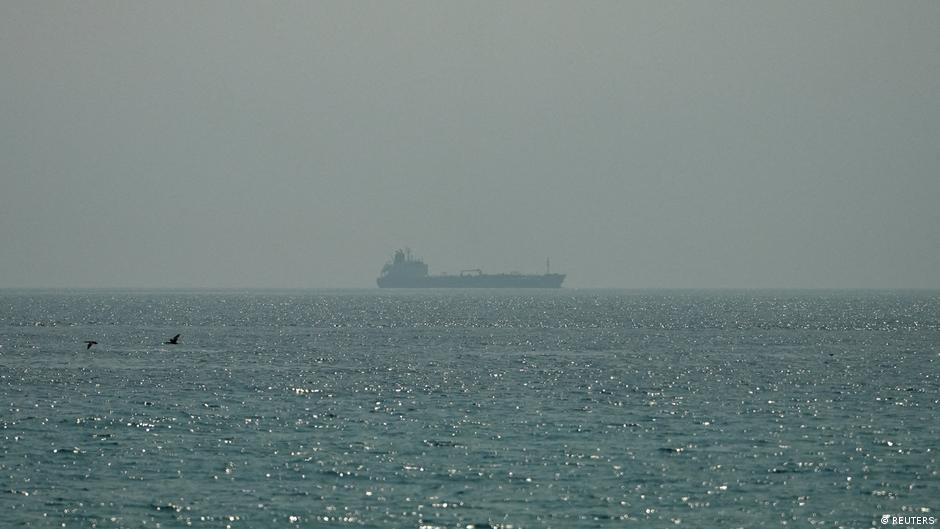
The United States and Iran have agreed to a temporary ceasefire, refraining from attacks on each other until a scheduled meeting on June 30 in Qatar. The talks will focus on resuming free navigation through the strategically vital Strait of Hormuz, a crucial artery for global oil shipments.
Implications for Energy Markets and Digital Financial Stability
According to sources, the ceasefire follows a recent exchange of significant military strikes between the two nations. Despite the truce, Iran continues to restrict maritime traffic through the strait, demanding vessels coordinate routes with its military command. Currently, the waterway remains partially closed with shipping allowed only along two narrow corridors. Although former US President Donald Trump had declared a full reopening, oil transport volumes remain below pre-conflict levels.
"The persistent restrictions in the Strait of Hormuz are a reminder of how geopolitical instability can disrupt critical supply chains and impact global markets."
The intermittent conflict and restricted navigation have contributed to fluctuating oil prices, which have significant consequences for the digital economy, especially in fintech sectors reliant on stable commodity markets and secure transaction networks. On June 24, Brent crude prices hit $73.22 per barrel, marking a low since late February amid hopes for improved relations. US West Texas Intermediate crude traded at $69.87 per barrel the same day.
The ongoing tensions and negotiations also bear importance for cybersecurity risks linked to energy infrastructure and financial transactions. Disruptions or escalations in maritime routes could trigger volatility in energy stocks and crypto markets, amplifying the need for robust digital defenses and contingency planning in fintech platforms.
Under the memorandum of understanding signed on June 17, the US and Iran have a 60-day window to resolve several contentious issues, including Iran’s nuclear program, US troop presence in neighboring countries, and whether Iran will impose transit fees on vessels passing through the strait. Progress on these fronts remains unreported.
Market participants and digital economy stakeholders are closely monitoring these developments, recognizing that stability in the Strait of Hormuz directly influences global energy flows and financial ecosystems reliant on predictable commodity movements and geopolitical risk mitigation.