US Military Strikes Iranian Military Infrastructure Amid Rising Tensions in Strait of Hormuz
US air strikes target Iranian surveillance and drone facilities after attacks on commercial tankers disrupt strategic shipping lanes.
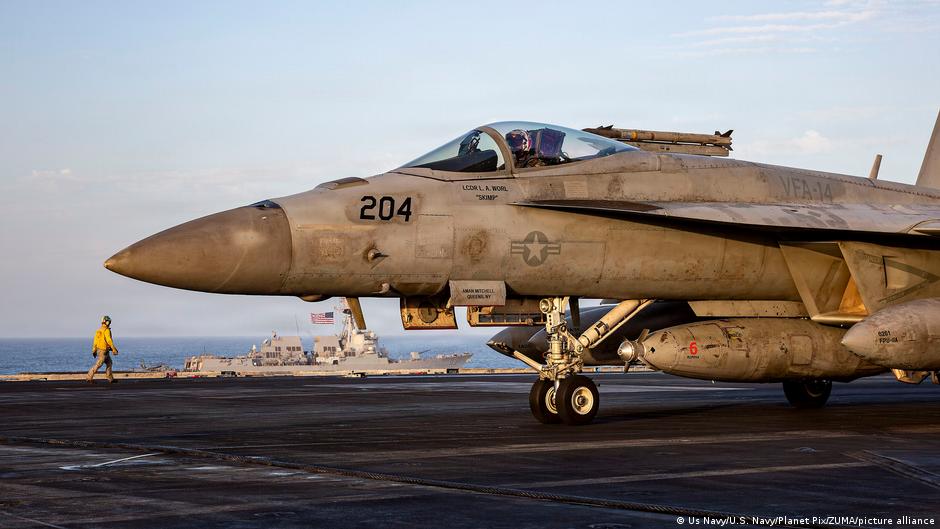
The United States military conducted targeted strikes against Iranian military infrastructure including surveillance systems, communication networks, air defense installations, drone storage sites, and mining equipment on June 27. This operation was a direct response to recent Iranian attacks on commercial shipping vessels navigating the Strait of Hormuz, a critical chokepoint for global oil shipments.
Implications for Global Trade and Digital Maritime Security
The US Central Command (CENTCOM) confirmed that these strikes followed a series of aggressive Iranian actions against peaceful commercial ships. One recent incident involved the drone attack on the tanker Kiku, flagged in Panama and carrying over two million barrels of crude oil near the Strait of Hormuz. Earlier, the tanker Ever Lovely was also targeted, marking a significant escalation after the signing of a ceasefire framework between Washington and Tehran on June 17 aimed at de-escalating hostilities in the region.
"Despite an opportunity to adhere to the ceasefire agreement, Iranian forces launched a kamikaze drone that struck the tanker Kiku early this morning," CENTCOM stated.
These developments have considerable ramifications for fintech and the digital economy, especially regarding payments and the secure management of trade finance. The Strait of Hormuz is pivotal for energy exports, and disruptions heighten volatility in oil prices, influencing digital commodity trading platforms and crypto assets linked to energy markets.
Furthermore, the conflict underlines the importance of cybersecurity and digital monitoring systems for maritime security. The US strikes targeted Iran’s advanced surveillance and communication technologies, highlighting the growing role of digital infrastructure in modern warfare and trade protection.
In parallel, Gulf states like Kuwait and Bahrain reported increased security alerts after missile and drone attacks, with Bahrain activating air raid sirens and urging civilians to seek shelter. Iran’s Islamic Revolutionary Guard Corps (IRGC) claimed responsibility for attacks in Kuwait and Bahrain, citing them as retaliation against US military actions and emphasizing the escalating cycle of counterstrikes.
The ongoing tension poses risks to the stability of global shipping routes and energy supply chains, which are increasingly integrated with real-time digital tracking, payment settlements, and blockchain-based logistics solutions. Disruptions in this region could force fintech firms to reassess risk models and accelerate the deployment of resilient technologies for trade finance and payment processing.
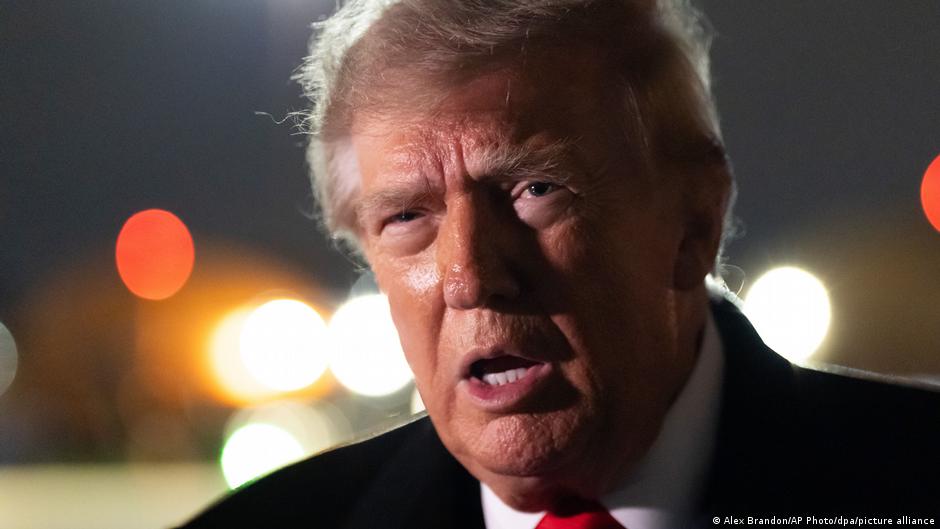
US President Donald Trump publicly endorsed the military response, warning that continued Iranian aggression might compel a decisive, possibly military, conclusion to the conflict. He stated, "There may come a time when we can no longer exercise patience and will have to end what we started—at which point the Islamic Republic of Iran will cease to exist." This rhetoric further intensifies geopolitical uncertainty, affecting tech stock valuations in cybersecurity, defense, and digital infrastructure sectors.
As the US and Iran exchange accusations of ceasefire violations, stakeholders in fintech and digital commerce must closely monitor developments to mitigate impacts on digital payments, crypto trading, and secure data networks vital for the global digital economy.