Russia Significantly Increases Aviation Fuel Imports from Belarus Amid Domestic Supply Challenges
Amid declining domestic production and export bans, Russia relies heavily on Belarusian aviation fuel imports, impacting energy and transport sectors.
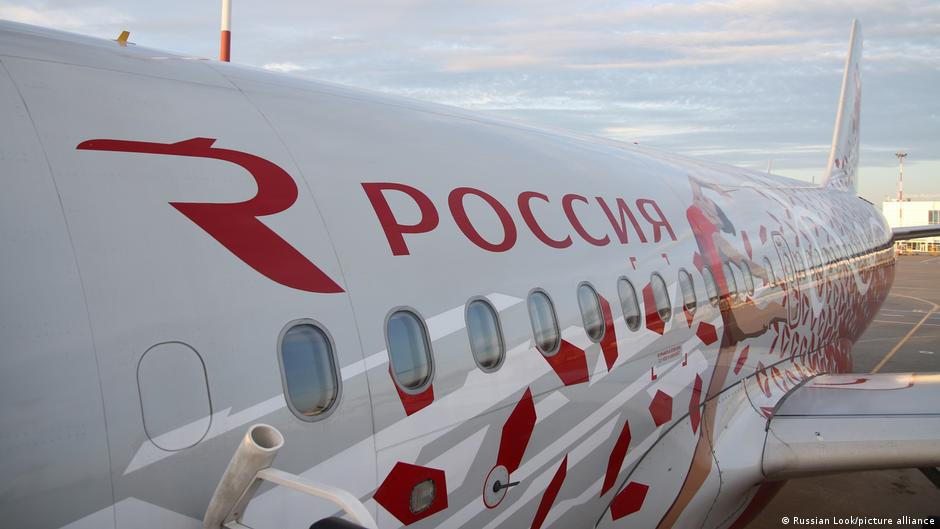
In May 2026, Russia imported 5,170 tonnes of aviation kerosene from Belarus—nearly four times the amount recorded in the same period last year. This sharp increase signals growing challenges in Russia's domestic aviation fuel production, compounded by geopolitical and logistical issues affecting supply chains.
According to data from the Center for Price Indices, Russia continued this trend into early June, with imports reaching 2,600 tonnes within the first ten days of the month. The surge in Belarusian aviation fuel imports aligns with a notable decline in domestic output, although Russian authorities have not officially disclosed precise production figures.
Domestic Production Woes and Strategic Responses
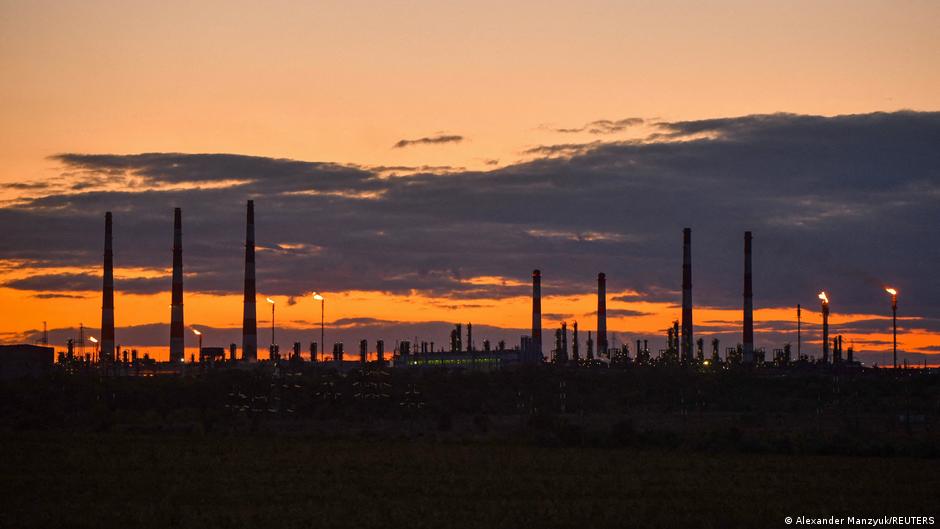
Estimates put Russian aviation fuel production at around 11.4 million tonnes in 2025. However, a significant disruption occurred in mid-June when the Moscow Refinery in Kapotnya, responsible for approximately 1.4 million tonnes of this output, halted operations following an unmanned aerial vehicle (UAV) attack. Industry sources indicate the refinery will remain offline at least until winter, exacerbating fuel shortages.
Discussions are underway about importing JET A-1 aviation fuel through Russian maritime ports to blend with domestic varieties, signaling a strategic pivot in fuel procurement and supply chain management.
"The increase in Belarusian aviation fuel imports is directly linked to the drop in domestic production," analysts note, highlighting the fragility of Russia’s aviation fuel supply amid infrastructural and geopolitical pressures.
Compounding supply constraints, from June 1, 2026, Russia imposed a historic ban on aviation kerosene exports, aimed at conserving fuel for internal use through November 30. This restriction has led to operational challenges in Russian airports, which began issuing warnings concerning aircraft refueling limitations in mid-June.
Broader Fuel Supply Challenges Affecting Transport and Logistics
The aviation fuel supply issues are part of a wider crisis in Russian fuel markets. Over 30 regions across Russia have introduced restrictions on automotive fuel sales, reflecting a nationwide strain. Fuel shortages initially surfaced in annexed Crimea following targeted Ukrainian military strikes on Russian logistics in occupied territories. These disruptions quickly propagated to other regions amid continued air attacks on Russian refineries.
Recent reports highlight a 25% year-over-year decline in gasoline production by the end of June. In a notable development, Russia has requested Kazakhstan to supply 50,000 tonnes of gasoline, reflecting an increased dependency on foreign fuel imports to mitigate domestic shortfalls.
These developments bear significant implications for Russia’s energy security, transport infrastructure, and the broader digital economy, particularly in fintech and logistics sectors reliant on stable fuel supplies for operational continuity and payment systems.