US-Iran Military Strikes Escalate Amid Growing Risks to Middle East Maritime Security
US airstrikes on Iranian missile and drone facilities follow Iran’s attack on commercial vessel, heightening threats to regional trade routes and energy markets.
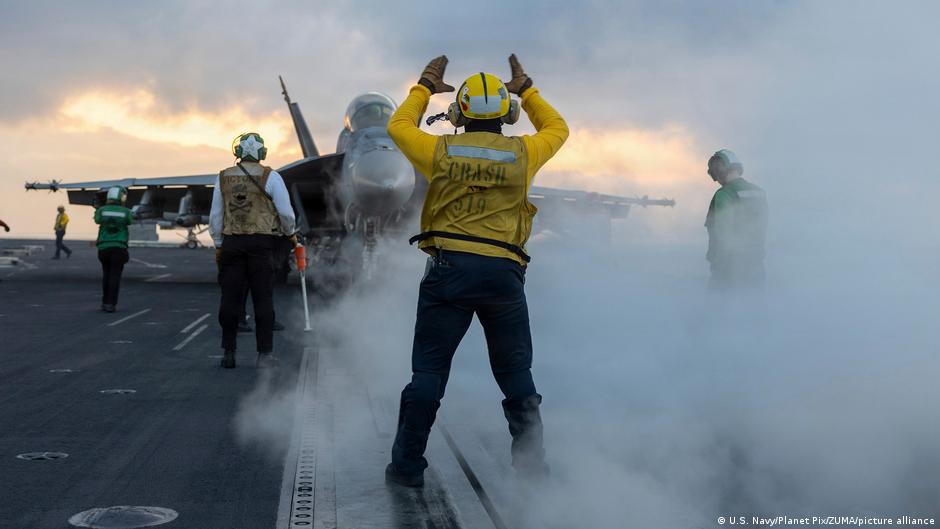
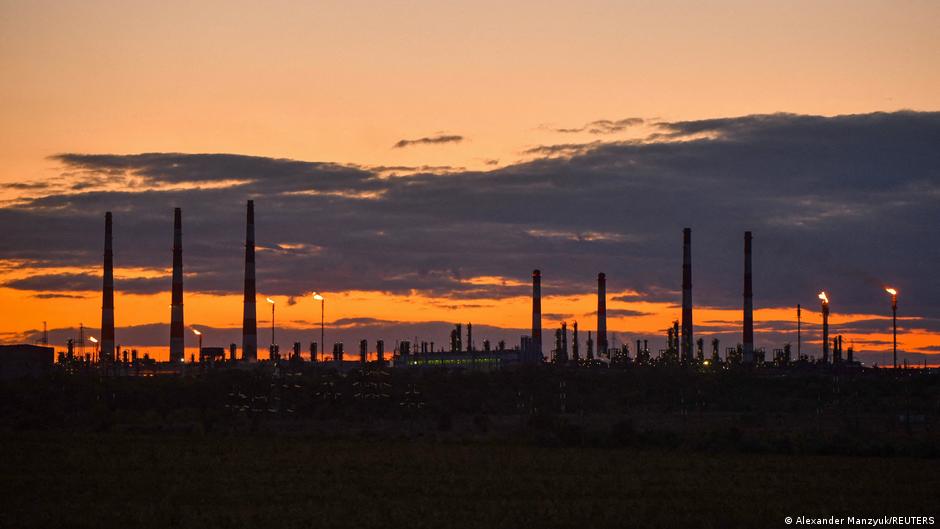
On June 26, the US Central Command (CENTCOM) launched precision airstrikes targeting Iranian missile storage sites, drone depots, and coastal radar installations in response to a drone attack on a commercial shipping vessel. This escalation marked a significant breakdown in the fragile ceasefire regime securing the Strait of Hormuz, a critical maritime chokepoint for global oil shipments and a hotspot for geopolitical tensions.
Impact on Regional Security and Global Trade Routes
The targeted vessel, Ever Lovely, flying the Singapore flag, was attacked on June 25 while transiting the Strait of Hormuz near Oman’s coastline. CENTCOM officials characterized this drone strike as an "unprovoked aggression" violating the ceasefire agreement signed between the US and Iran just days earlier on June 17. The agreement aimed to de-escalate hostilities and ensure safe passage through this strategically vital waterway.
“This attack represents a clear challenge to maritime security and the stability essential for uninterrupted global trade,” a US military spokesperson stated.
In retaliation, Iran’s Islamic Revolutionary Guard Corps (IRGC) launched missile attacks on US military bases in the Middle East, warning of a more extensive response should US actions continue. The IRGC contends that its actions are consistent with a bilateral understanding granting Iran control over navigation routes in the Strait, accusing the US of provocations designed to undermine this agreement.
These developments have intensified concerns about the security of key maritime infrastructure critical to the energy sector. Following the skirmishes, the International Maritime Organization (IMO) suspended evacuation operations for hundreds of vessels and over 11,000 seafarers trapped in the Persian Gulf, reflecting heightened operational risks in the region. Concurrently, global oil prices surged amid fears of prolonged supply disruptions.
Consequences for Fintech, Digital Banking, and Cybersecurity
The unfolding conflict poses significant implications beyond traditional security. The Strait of Hormuz is a strategic artery not only for physical goods but also for the flow of digital financial transactions linked to global energy trade, notably payments related to oil exports and imports. Disruptions could exacerbate transaction delays and increase volatility in currency and commodity markets.
Furthermore, the increased military activity raises the risk of cyberattacks targeting financial institutions and digital payment networks involved in Middle Eastern trade corridors. Cybersecurity experts warn that state-sponsored hacking campaigns may intensify as geopolitical tensions mount, potentially targeting fintech platforms, digital banking services, and exchanges facilitating cryptocurrency transactions in the region.
Investors in tech stocks linked to defense and cybersecurity sectors are likely to monitor these developments closely, as heightened conflict often drives demand for advanced security technologies and digital infrastructure resilience.
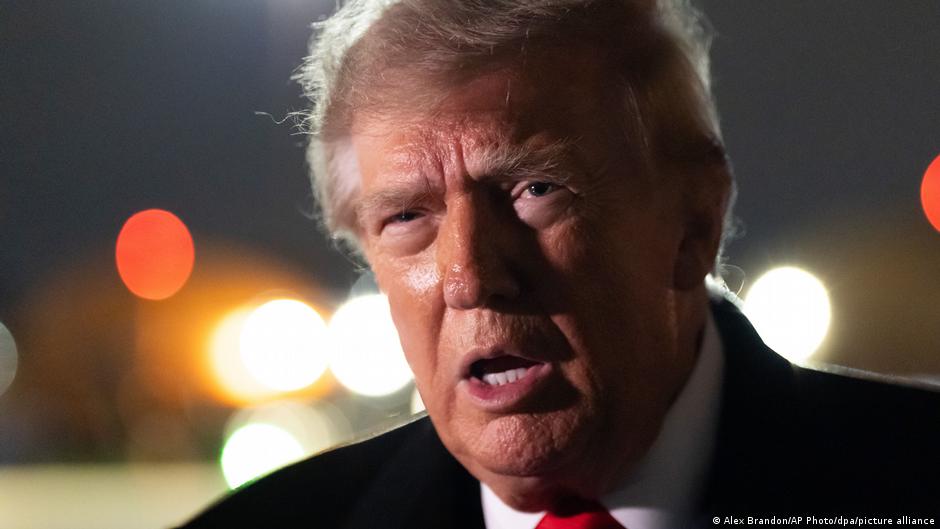
US President Donald Trump condemned Iran’s actions as a "stupid violation" of the ceasefire, asserting that Iran deployed at least four drones against vessels in the Strait. This rhetoric underscores the fragility of recent diplomatic efforts and the potential for renewed escalation affecting global markets and technological ecosystems intertwined with international trade.