Finland Lifts Ban on Nuclear Weapons Import Amid Security and Digital Economy Implications
Finland’s legislative shift allowing nuclear arms on its soil signals a strategic security pivot with potential impacts on fintech and cybersecurity landscapes.
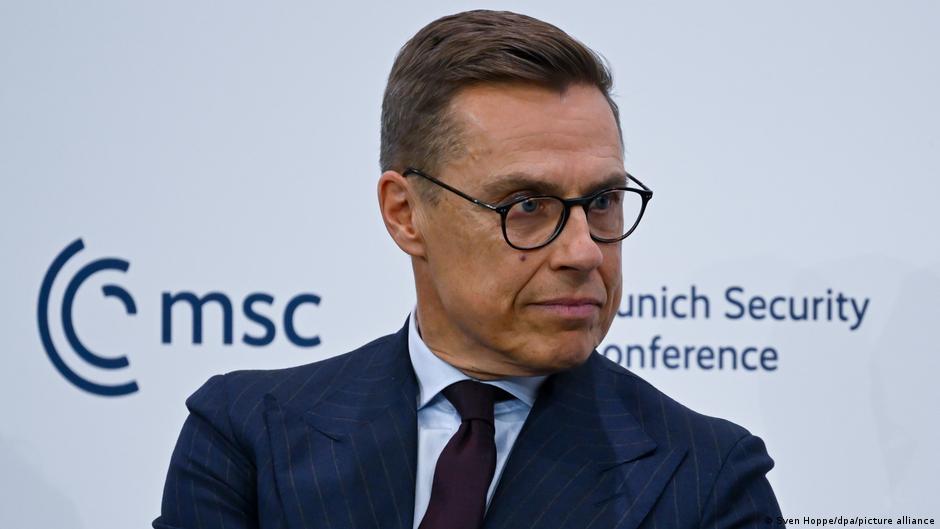
Finland’s President Alexander Stubb has signed amendments to the Atomic Energy Act that repeal the prohibition on importing and stationing nuclear weapons on Finnish territory. The new law will take effect on July 1, representing a significant shift in Finland’s national security policy.
The Finnish Parliament approved the amendments on March 17 with a vote of 125 in favor and 61 against. Defense Minister Antti Häkkänen described this legal reform as "historic," stating it strengthens the security of both Finland and the entire NATO alliance. President Stubb clarified that Finland does not plan to host nuclear weapons during peacetime. Instead, the measure is aimed at nuclear deterrence, ensuring that nuclear arms are a preventive factor and are never used.
Strategic Security Shift and Its Digital Economy Repercussions
This legislative change comes amid rising geopolitical tensions following Russia’s full-scale invasion of Ukraine and Finland’s subsequent NATO membership in April 2023. With a 1,300-kilometer border shared with Russia, Finland’s move is seen as a deterrent to potential military aggression.
"The reality is that our neighbor is an aggressive imperialist state not party to arms control conventions, which itself uses landmines mercilessly," President Stubb remarked regarding regional security concerns.
Beyond the direct military implications, Finland’s security realignment has consequential effects on the fintech and digital economy sectors. Enhanced national security and alignment with NATO standards could boost investor confidence in Finnish digital banking, cybersecurity solutions, and technology stocks. The government’s readiness to counteract cyber threats linked to geopolitical tensions is likely to accelerate investments in cybersecurity infrastructure, vital to safeguarding financial services and digital payment systems.
The removal of restrictions on nuclear arms presence also underscores a broader context where cybersecurity assumes heightened importance. Cybersecurity firms may see increased demand for advanced threat detection and defense mechanisms to protect critical financial infrastructure from state-sponsored cyberattacks. This is especially pertinent for fintech companies facilitating cross-border payments and digital transactions in a region marked by complex geopolitical dynamics.
Furthermore, Finland’s withdrawal from the Ottawa Convention—prohibiting anti-personnel mines—cited worsening security conditions as rationale, signaling Finland’s prioritization of strategic defense measures. Such shifts influence investor sentiment around Finnish tech stocks, as defense technology integration often entails cutting-edge digital systems and analytics.
Finally, Finland’s policy changes may indirectly affect the regulatory stance toward emerging technologies such as cryptocurrencies. Given the increased focus on national security, Finnish regulators and fintech firms might enhance compliance frameworks and digital asset monitoring to mitigate risks associated with illicit financial flows potentially linked to geopolitical conflict.
As Finland embarks on this new security chapter, its fintech sector stands at a crossroads—where strategic defense priorities intersect with the imperative to safeguard and advance secure, resilient digital financial ecosystems.