Communists Secure Victory in Graz Municipal Elections, Highlighting Urban Policy Focus
The Communist Party of Austria wins majority in Graz city council, emphasizing housing policy and moderate rhetoric amid shifting political landscape.
In a noteworthy political development, the Communist Party of Austria (KPÖ) has retained its leading position in the municipal elections held in Graz, Austria's second-largest city, on June 28. Securing 35.63% of the vote, the KPÖ is set to occupy 18 of the 48 seats in the city council, reinforcing its established local influence.
Urban Priorities and Pragmatic Approach Drive Voter Support
The election results marked the KPÖ's second consecutive victory in Graz following their unexpected success in 2021, when they first captured 28.84% of the vote. Analysts emphasize that the party’s sustained popularity in Graz stems largely from its pragmatic focus on housing policies and a moderate political stance, which resonates with the city’s residents.
"Graz votes differently" remains a defining phrase as the KPÖ’s local strength contrasts sharply with its national parliamentary performance, where it has yet to surpass the electoral threshold.
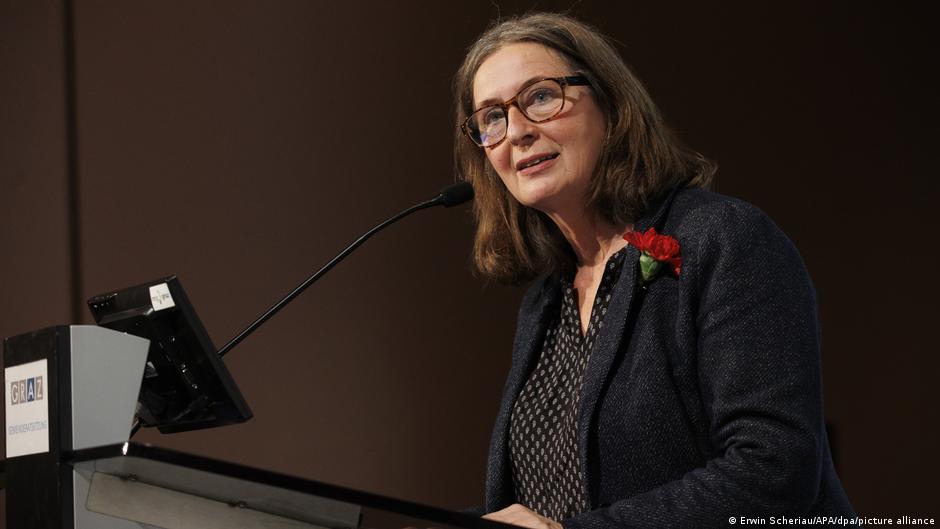
Elke Kahr, a KPÖ member and Graz’s mayor since 2021, is credited with cultivating this support. Known for her prior work in housing policy and urban development, Kahr has steered the party toward addressing practical city issues without resorting to populist rhetoric or confrontational politics. This strategy has effectively consolidated the KPÖ’s base.
While the KPÖ retains traditional communist values such as social struggle and criticism of capitalism, Kahr approaches these themes with caution in public discourse. Notably, she has openly criticized European Union sanctions on Russia, calling them ineffective and burdensome to the population, even as she condemned Russia’s invasion of Ukraine.
Election Outcomes Reflect Broader Political Trends
The Austrian People’s Party (ÖVP), representing conservatives, secured second place with 25.35% of votes and 13 city council seats. The Greens followed with 14.84% and seven seats. The far-right Freedom Party of Austria (FPÖ), despite its nationwide popularity and leading position in the 2024 federal elections, lagged behind in Graz, capturing only 12.2% of votes and six council seats.
This divergence between local and national political dynamics highlights the distinct electoral behavior in Graz, where left-leaning, pragmatic politics prevail over right-wing populism. At the federal level, the FPÖ’s failure to form government after protracted negotiations led to a coalition between social democrats, liberals, and conservatives, with Christian Stocker of the ÖVP appointed as chancellor.
Implications for Fintech and Digital Economy
The KPÖ’s emphasis on housing and social welfare policies in Graz signals potential shifts in urban financial priorities that could influence local government spending and investment in digital infrastructure and fintech solutions. As municipal leadership focuses on sustainable urban development, there may be growing demand for digital banking innovations tailored to affordable housing projects and social programs.
Moreover, the KPÖ’s moderate rhetoric and pragmatic approach may foster a more stable regulatory environment for emerging digital economy sectors, including payments and crypto services, by avoiding polarizing populist disruptions. This stability is critical for investors and tech companies seeking to expand in Austria's urban centers.
In sum, the Graz election results not only reflect a unique political landscape but also suggest consequential trends for urban governance that intersect with the fintech and digital economy sectors, underscoring the vital role of local politics in shaping technology and financial services innovation.