US Imposes New Sanctions on Cuban State Firms Dominating National Economy
Washington targets five key Cuban state companies controlling 40% of GDP amid rising geopolitical tensions.
The United States government has expanded its sanctions regime against Cuba by imposing new restrictions on five major Cuban state-owned enterprises that collectively control around 40% of the island nation's GDP. The move marks a significant escalation in Washington's pressure campaign amid ongoing geopolitical friction between the two countries.
Sanctions Target Cuban Economic Powerhouses Linked to Military Control
Announced on June 23, the latest sanctions focus primarily on companies affiliated with the Grupo de Administración Empresarial S.A. (GAESA), a military-run conglomerate managed by Cuba’s Revolutionary Armed Forces. GAESA is estimated to hold liquid assets valued at approximately $14.5 billion as of 2024 and oversees diverse sectors including import-export operations, foreign investments, financial transactions, and raw steel production.
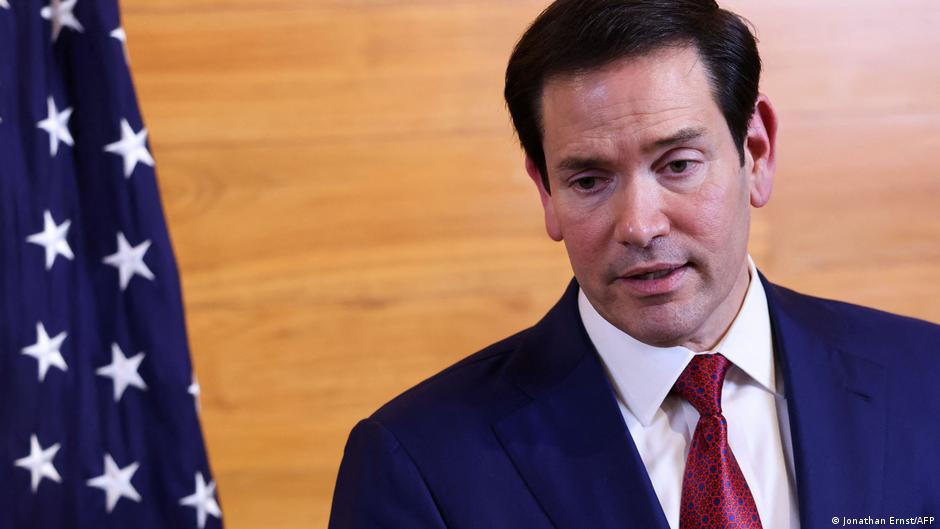
US Secretary of State Marco Rubio emphasized that these restrictions aim to disrupt the financial networks that the Cuban regime allegedly uses for self-enrichment, repressive activities, espionage, and anti-US operations. The sanctions also extend to the spouse of Alejandro Castro, head of Cuba’s National Security Council and son of former leader Raúl Castro.
"The Cuban regime exploits GAESA as a tool for wealth accumulation and financing activities contrary to American interests," stated Secretary Rubio.
In response, Cuban Foreign Minister Bruno Rodríguez condemned the new sanctions as "relentless aggression and collective punishment," dismissing Rubio as "dishonest and deceitful." These developments underscore the ongoing polarization in US-Cuba relations.
Legal Ramifications and Financial Claims Against Cuban Assets
Amid the renewed diplomatic strain, the US Supreme Court affirmed the right of American companies to seek compensation for properties nationalized by Fidel Castro’s government several decades ago. This ruling opens the door for corporate claims related to assets confiscated during the 1960s.
One prominent case involves ExxonMobil, which may pursue claims against Cuban entities operating oil refineries, terminals, and more than 100 gas stations previously seized from the company. According to reports, potential compensation could reach upwards of $1 billion.
Financial experts and policy analysts suggest that such judicial decisions could strengthen the Trump administration’s hardline stance on Cuba, further complicating prospects for diplomatic normalization and increasing volatility in markets sensitive to geopolitical risks.
From a fintech and digital economy perspective, these sanctions and legal shifts highlight the persistent challenges in integrating Cuban economic actors into global financial systems. The targeted companies’ involvement in foreign investment and financial operations means restrictions could exacerbate Cuba’s isolation from international payment networks and digital banking services, limiting access to capital and technological innovation.
Moreover, the sanctions may push Cuba to seek alternative financial channels, potentially increasing its engagement with cryptocurrencies or other digital currencies to circumvent traditional banking restrictions. This underscores the growing intersection between geopolitical conflicts and the evolving landscape of digital payments and fintech solutions.