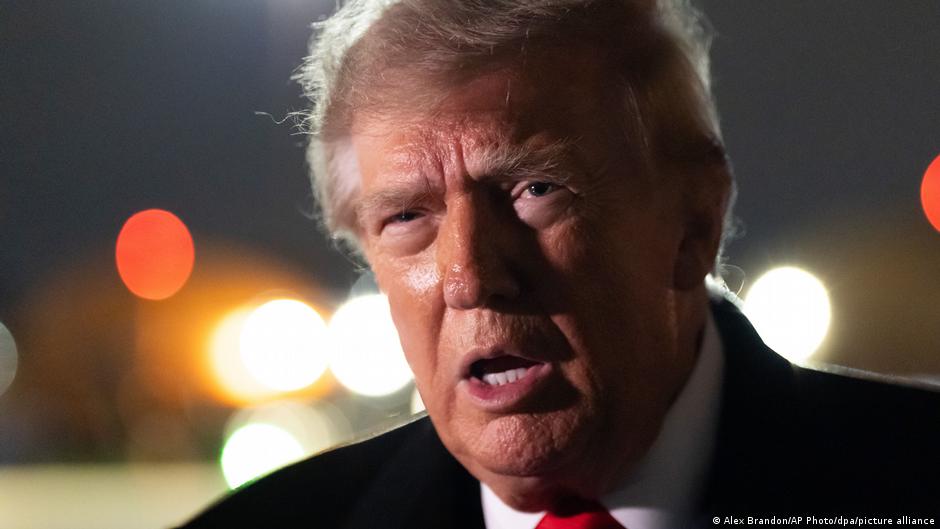
US Senate Supports Resolution to End Military Actions Against Iran Amid Ongoing Negotiations
The US Senate passed a resolution urging withdrawal of troops from conflict zones with Iran, highlighting political divides as peace talks continue.
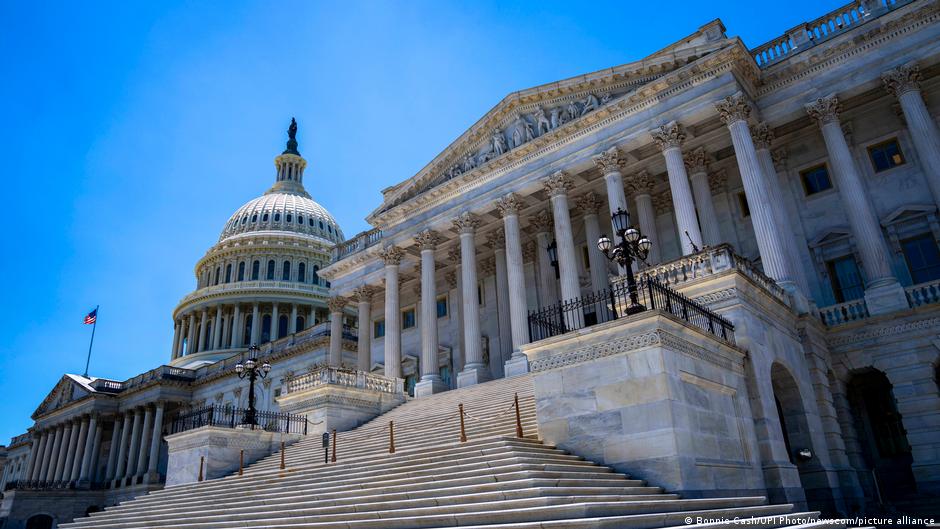
The United States Senate voted 50 to 48 in favor of a resolution calling for an end to military actions against Iran, urging President Donald Trump to withdraw American forces from conflict zones related to Iran. The resolution, initially approved by the House of Representatives, signals growing concerns among lawmakers about the prolonged hostilities that began in February 2026 between the US, Israel, and Iran.
Despite the resolution’s passage, it remains largely symbolic and lacks binding legal authority. The White House has stated that the resolution holds no enforceable power, emphasizing that there are currently no active combat operations requiring troop withdrawal following a ceasefire established in mid-April 2026.
Political Implications and Impact on Sanctions and Trade
Senators, particularly Democrats who spearheaded the resolution, argue that Congressional approval should be mandatory before resuming any military engagements with Iran. This reflects a broader debate in Washington about the balance of power between the executive branch and Congress in decisions about war and peace.
"Congress must clearly signal that any resumption of hostilities requires its explicit consent," said proponents of the resolution.
The ongoing conflict and tentative ceasefire have significant ramifications beyond military concerns, especially in fintech and digital economy sectors. The recently signed memorandum of understanding between Washington and Tehran includes provisions for lifting some sanctions on Iran and establishing a restoration fund. These developments are likely to influence digital payment flows, cross-border trade, and investment opportunities in the region.
Moreover, the international agreement paves the way for renewed cooperation in areas including nuclear oversight and maritime security in the strategically important Strait of Hormuz. President Trump indicated that Iran has agreed to allow international inspections at its nuclear facilities, a move that could stabilize the geopolitical environment and reduce risks to global energy supply chains and financial markets.
From a fintech perspective, easing sanctions may encourage the development of new digital banking services and payment platforms involving Iranian entities, potentially integrating Iran more closely into global financial systems. However, cybersecurity concerns remain paramount as digital infrastructures in the region could be targets amid geopolitical tensions.
The peace negotiations and their outcomes will also affect technology stocks, particularly those with exposure to defense, cybersecurity, and energy sectors. Investors are closely monitoring these diplomatic efforts as they hold the potential to reshape risk assessments and market dynamics in related industries.
While the White House downplayed the Senate vote as largely symbolic, citing the absence of some Republican senators during the session, the resolution underscores a palpable shift in Congressional sentiment and the complexities facing US foreign policy.
As talks between Washington and Tehran continue, with agreements on nuclear control and sanctions progressing, the fintech and digital economy communities worldwide are watching for how these political developments will translate into changes in cross-border transactions, regulatory frameworks, and technological cooperation.