Russia’s Oil Exports Reach Highest Level Since Early 2026 Amid Market Shifts
Russia ramps up maritime oil exports to record levels despite US sanctions easing for Iran and increased market competition.
Russia has increased its maritime oil exports to the highest weekly volume since early 2026, according to recent data analyzed by Bloomberg. This growth comes amid a complex global energy landscape, where the US has temporarily lifted sanctions on Iranian oil, intensifying competition on key markets such as India.
Record Russian Oil Shipments Amid Market Changes
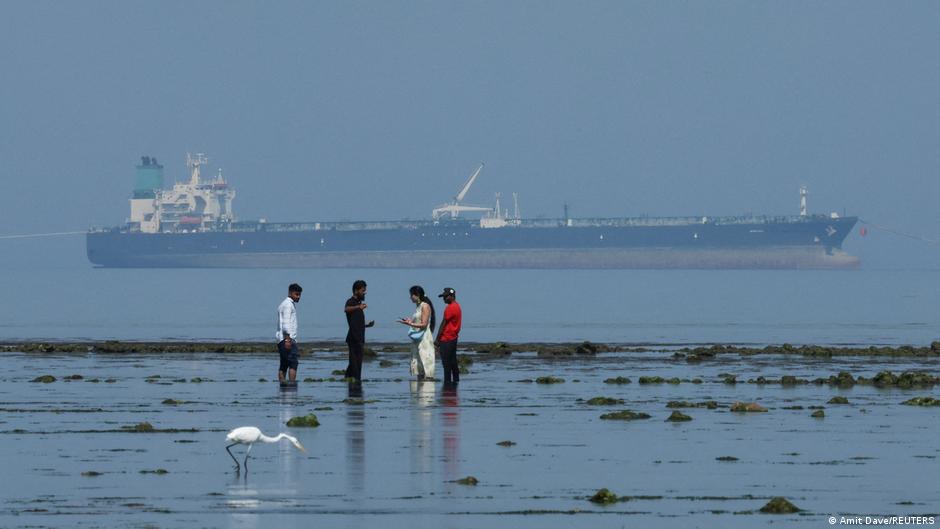
Between June 15 and June 21, 38 tankers loaded a total of 28.79 million barrels of Russian oil, averaging 4.11 million barrels per day — the highest weekly figure recorded since the start of 2026. This volume surpasses Russia’s average annual export levels since the onset of the full-scale conflict in Ukraine.
Unlike prior periods where oil shipments faced logistical hurdles, current Russian oil exports are actively in transit, indicating strong demand and efficient distribution channels despite geopolitical tensions and Western sanctions.
"Russia’s ability to sustain record maritime oil shipments reflects strategic adjustments in response to shifting sanction regimes and global energy dynamics," industry analysts noted.
The increased exports were made possible by the US’s temporary suspension of sanctions on Russian oil shipments that are already at sea. This move was intended to alleviate the global fuel crisis that emerged due to the blockade of the Strait of Hormuz, a vital oil transit chokepoint, following hostilities involving Iran.
This temporary sanction relief, effective until June 17, was not extended further, leaving Russia’s export strategy subject to future regulatory uncertainties.
Impact on Prices and Market Competition
Despite record export volumes, Russian oil revenues are under pressure as global prices have declined sharply. The re-entry of Iranian oil into global supply chains after a memorandum of understanding between the US and Iran opened the Strait of Hormuz and lifted port blockades has triggered a roughly 16% drop in worldwide oil prices.
Price tracking by Argus Media highlights a 20% decrease in the value of key Russian oil grades like Urals and ESPO over the past week, signaling significant market headwinds for Moscow.
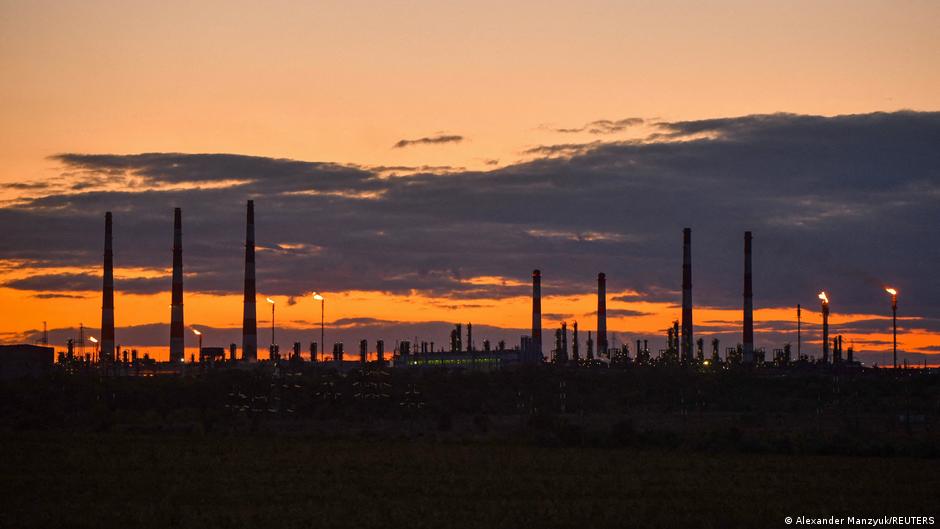
Additionally, ongoing military attacks by Ukrainian forces on Russian refineries may force Russia to export more crude oil directly rather than refining domestically. This shift would likely drive further price discounts for Russian crude, as refined products typically command higher market prices.
The increased Iranian supply risks displacing Russian oil in important regional markets such as India. To retain buyers, Russia may need to offer steeper export discounts, intensifying the pricing competition.
These developments have substantial implications for global energy markets, influencing not only commodity pricing but also the financial performance of energy-related fintech ecosystems, digital trading platforms, and investment flows into energy sector tech stocks.