Fuel Sales Restrictions Expand Across Russia Amid Oil Industry Disruptions
Widespread fuel rationing affects 53 Russian regions following drone attacks on oil refineries, impacting retail sales and digital payment flows.

Russia is implementing extensive restrictions on retail fuel sales across multiple regions as its oil industry grapples with disruptions caused by recent drone strikes on refineries and fuel depots. These supply constraints have rippled through the economy, affecting consumer access to gasoline and diesel while presenting challenges for digital payment systems linked to fuel transactions.
Widespread Fuel Rationing Amid Industrial Disruption
Since late June, several Russian regions have introduced limits on the volume of fuel individuals can purchase at gas stations. Notable examples include the Voronezh region, where Lukoil stations have capped sales to 30 liters of gasoline and 60 liters of diesel per fill-up within the city, and higher limits along highways. Similar rationing measures have been enacted in Omsk, where sales are restricted to 40 liters of gasoline and 80 liters of diesel, as well as in Irkutsk, Saratov, and multiple other oblasts.
The restrictions aim to curb panic buying and speculative price surges by controlling supply at the retail level. In some cases, operators have ceased servicing certain customers altogether due to the severity of shortages. Governors of affected regions have acknowledged the need for "manual mode" management of fuel distribution to stabilize the market.
"Due to the fuel crisis, authorities are forced to transition to manual control to prevent artificial shortages and speculative demand," stated a regional governor.
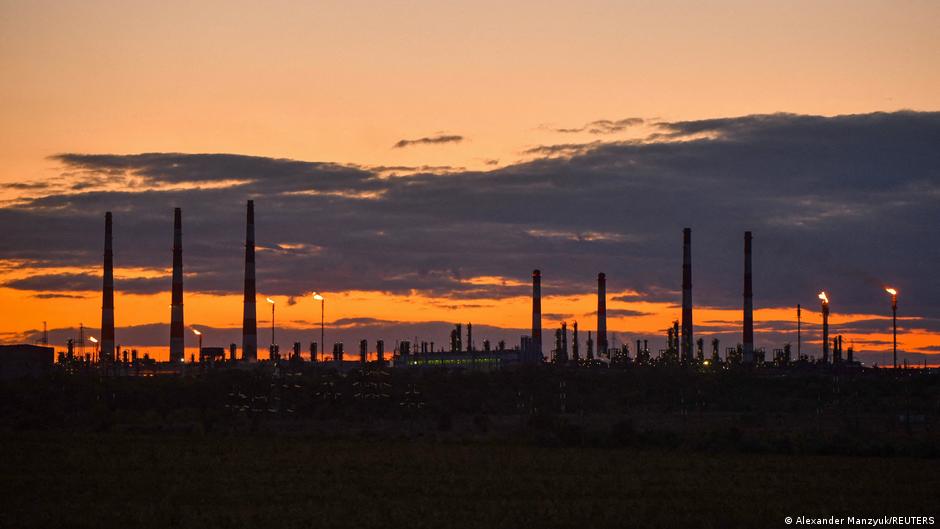
These restrictions are part of a broader emergency response to attacks targeting Russia’s oil infrastructure, primarily carried out by Ukrainian drones. The strikes have forced many significant oil processing facilities, particularly in central Russia, to reduce output or halt operations, precipitating a steep decline in oil production levels.
Impact on Digital Payment and Fuel Retail Ecosystems
The ongoing disruptions have implications beyond physical fuel availability, notably affecting the fintech and digital economy segments connected to fuel retail. Payment platforms and digital banking services facilitating fuel purchases face operational challenges due to unpredictable supply and rationing constraints. Retailers must adapt their point-of-sale systems to enforce purchase limits, requiring rapid software updates and real-time transaction monitoring to comply with regional regulations.
Additionally, fluctuating fuel availability can influence consumer spending behavior and transactional volumes in digital payment ecosystems. Reduced fuel access may lead to decreased transaction frequency at fuel stations, impacting revenue streams for fintech companies specializing in fuel payment solutions and loyalty programs.
Cybersecurity considerations also come to the forefront amid these tensions. The attack campaigns demonstrate vulnerabilities in critical infrastructure, prompting increased scrutiny of security protocols not only at physical sites but also within the digital transaction frameworks supporting them.
Economic and Market Ramifications
The ripple effects of the restricted fuel sales extend to the broader digital economy and technology sectors. Technology stocks connected to energy infrastructure, industrial automation, and digital payment services may experience volatility as market participants assess the ongoing operational risks.
Moreover, the fuel crisis underscores the critical interplay between geopolitics, infrastructure security, and digital financial services in modern economies. The necessity for resilient supply chains and adaptive fintech solutions becomes evident, highlighting opportunities for innovation in payment technologies tailored to crisis scenarios.
In summary, Russia’s current fuel rationing measures, driven by targeted attacks on oil refineries and depots, represent a multifaceted challenge impacting energy supply, digital payment ecosystems, and associated technology sectors. Stakeholders across these domains must navigate operational, cybersecurity, and market risks as the situation evolves.